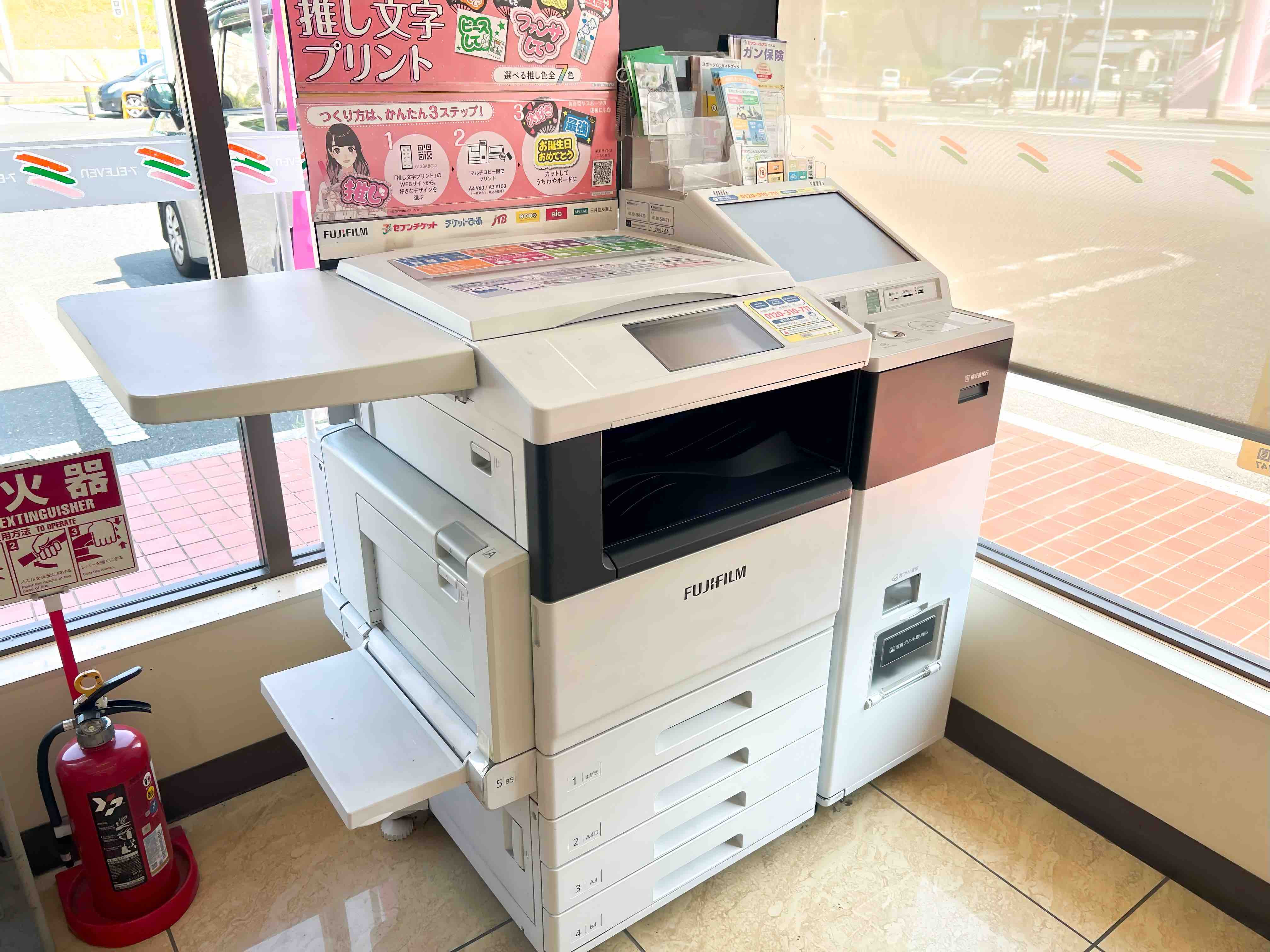
Sukiya, Yoshinoya, Matsuya, Tenya, tonkatsu-ya, Ootoya… Why “-ya” chains are so popular in Japan, how they work, what to eat there and whether they are a good option when travelling.
It's past 7pm in Tokyo. The rain has started without warning, as it often does. You've been walking all day, your phone is almost dead, and the thought of hunting for a “good restaurant” already wears you out. The side streets are packed, some places are full, others only have a menu in Japanese. Then, on a street corner, a simple sign catches your eye. A name ending in –ya. Photos of dishes. Clear prices. People of all ages coming and going.
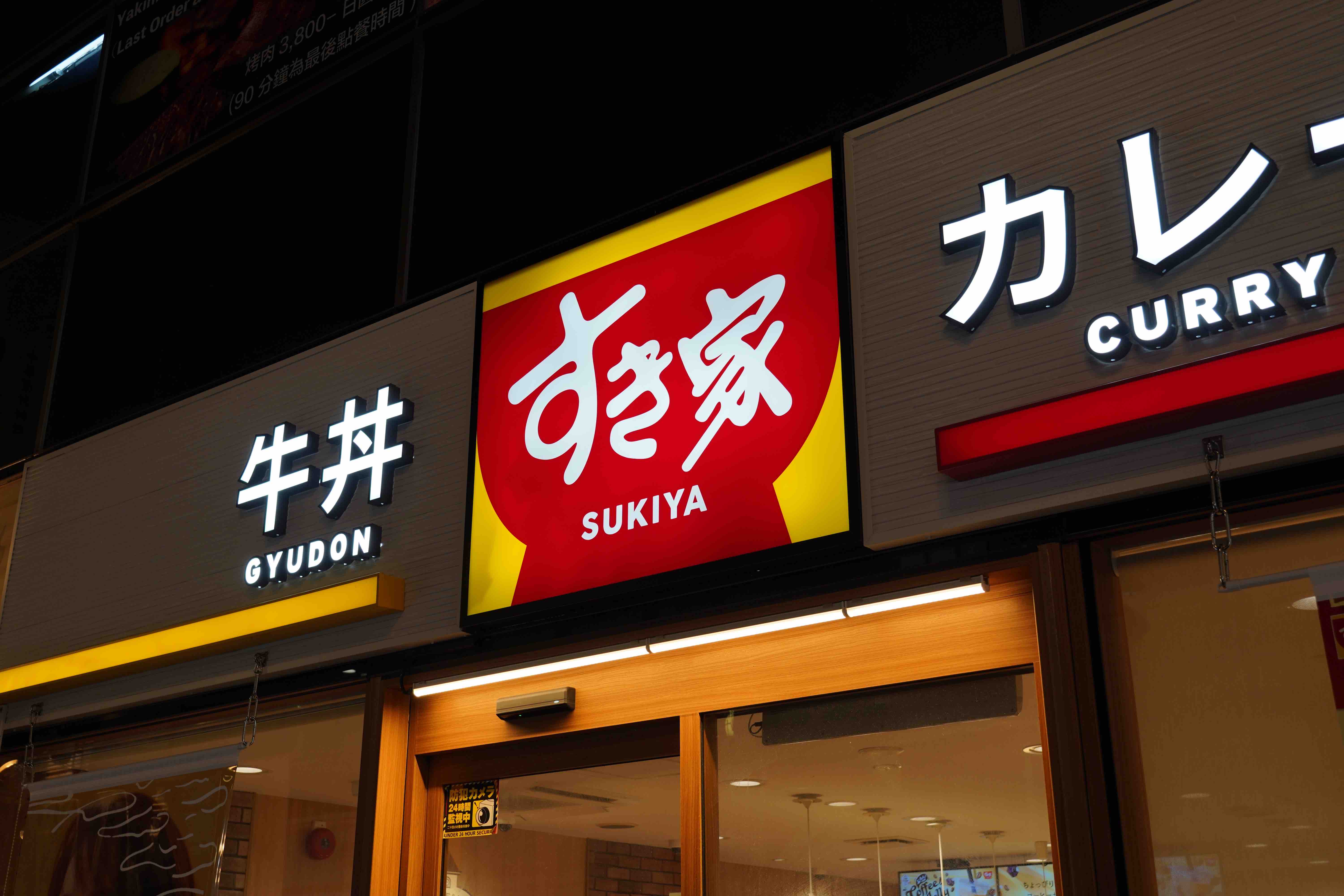
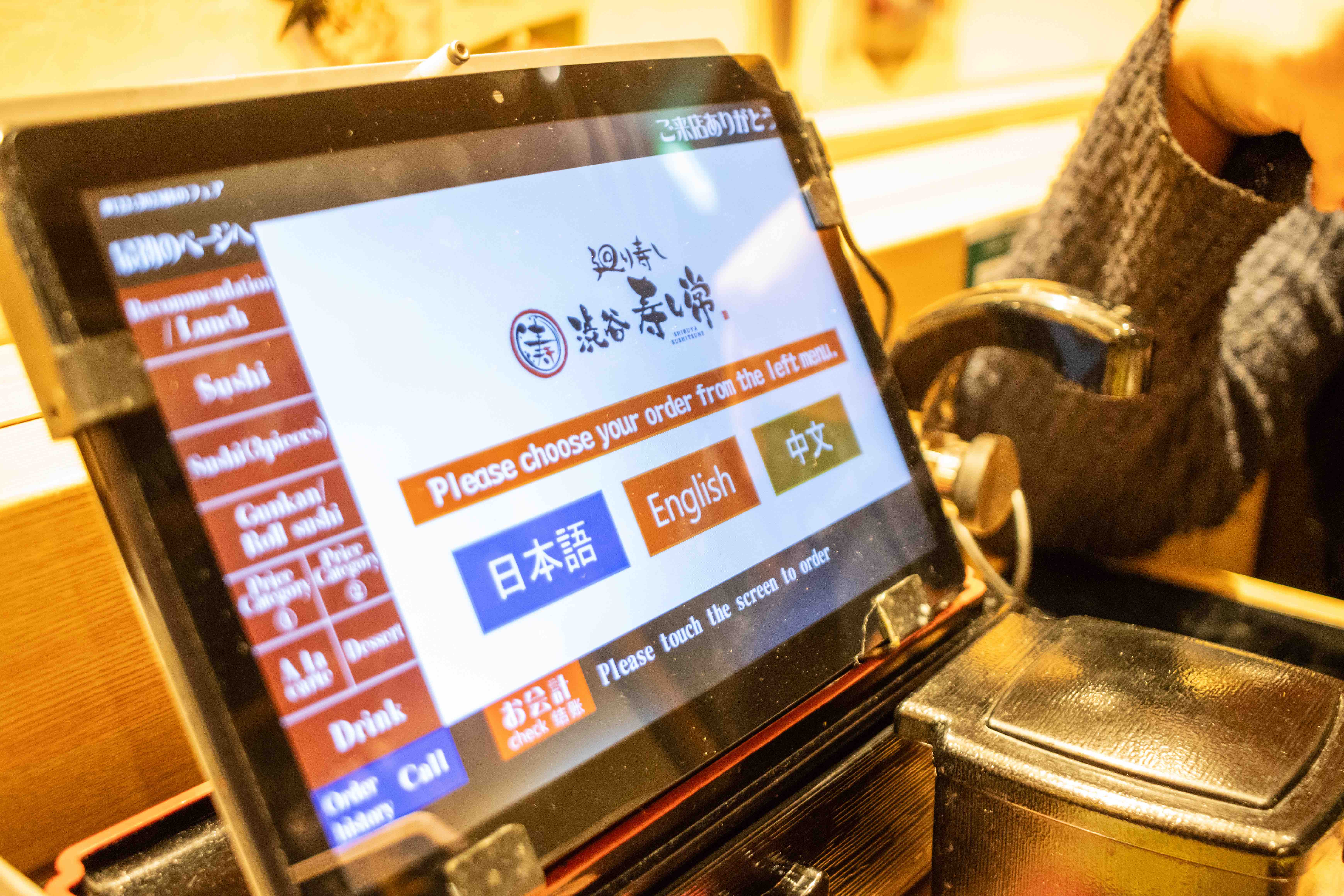
You push the door open. Inside, everything runs smoothly. An ordering kiosk with pictures, a few buttons, a ticket comes out. You sit down. Less than five minutes later, a tray arrives. A hot bowl, rice, well-seasoned meat, a soup. You take a bite. It's simple, but good. Comforting. And above all: the price is incredibly reasonable.
What you've just discovered, perhaps without realising it, is one of the pillars of everyday life in Japan: family restaurant chains, often called 〇〇ya. These restaurants are part of the urban landscape and of Japanese people's daily lives, and they are an excellent option for eating in Japan when you travel — no stress, no breaking the bank, and no nasty surprises.
What does “〇〇ya” (~屋) mean in Japan?
In Japanese, the suffix 屋 (ya) literally means “house” or “specialist shop”. It is used for a place that focuses on one specific type of product or service.
In the restaurant world, this gives some very self-explanatory terms:
- 牛丼屋 (gyūdon-ya): a restaurant specialising in beef-on-rice bowls
- ラーメン屋 (ramen-ya): a ramen house
- とんかつ屋 (tonkatsu-ya): a breaded pork cutlet restaurant
- 天ぷら屋 (tempura-ya): a tempura house
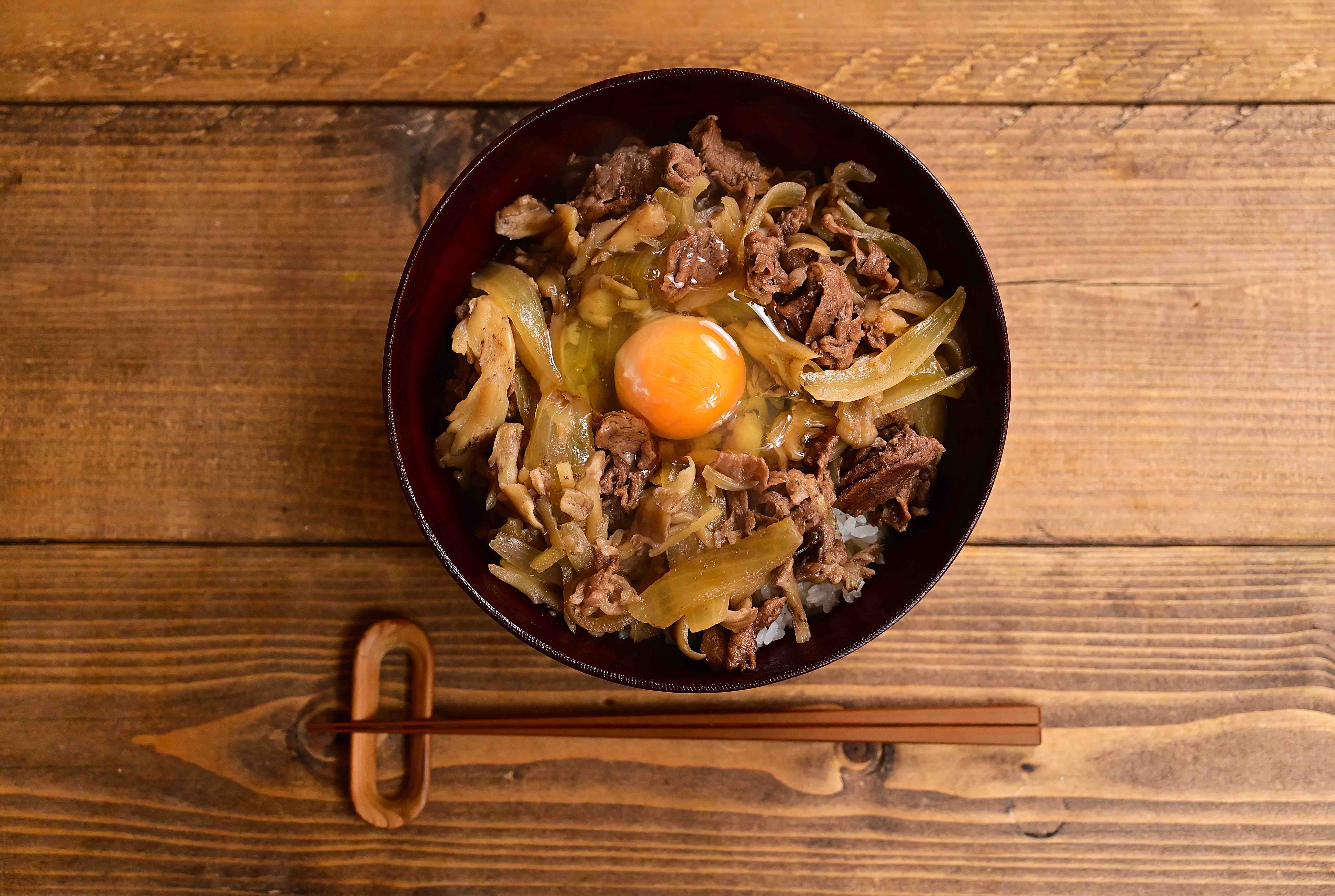
gyūdon

Ramen
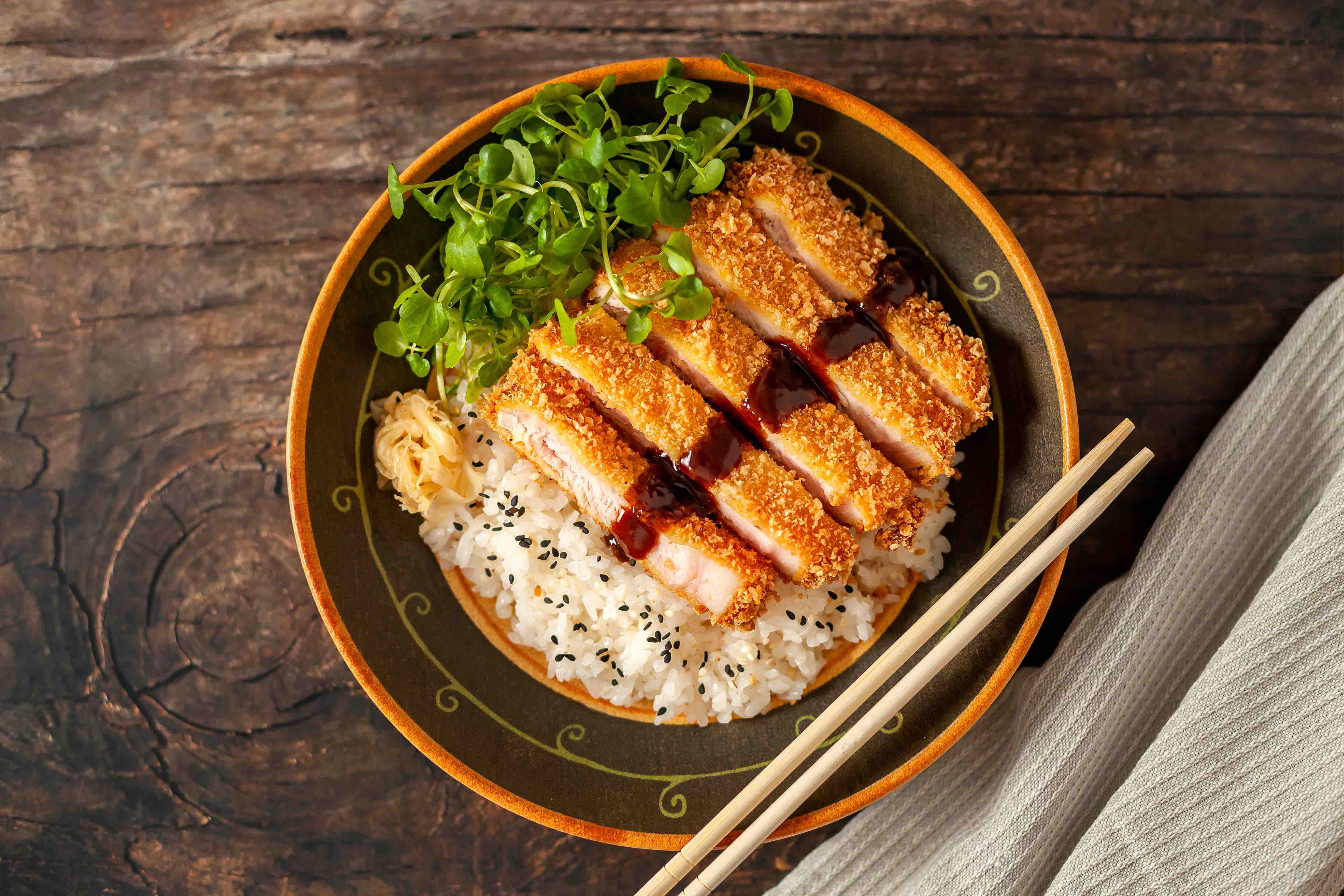
Tonkatsu
This suffix reflects a very Japanese philosophy: do few things, but do them well. The “–ya” chains apply this principle on a large scale, with carefully controlled standardisation.
Key takeaways
- “Ya” (屋) means house or specialist shop.
- “–ya” restaurants focus on one specific type of dish.
- This specialisation allows for efficiency, consistency and reasonable prices.
Why Japan has developed so many family restaurant chains
Family chains are no accident. They are a very pragmatic response to several Japanese realities.
An intense everyday culture
Japan is a country where many people eat out, not as a luxury, but out of necessity. Salarymen, students, employees, busy families… the pace of life is hectic. People need to eat quickly, decently and at a stable price.
Dense, functional urban planning
In big cities, space is at a premium. Restaurants have to be efficient. “–ya” chains have optimised dining rooms, short menus and fast table turnover. This model is perfectly suited to Japanese city centres.
The trust of Japanese consumers
In Japan, a chain is not automatically seen as “low-end”. On the contrary, it often inspires trust: you know what you're going to eat, at what price and at what level of quality. This trust is key to understanding the success of these restaurants.
Key takeaways
- Family chains meet a real everyday need.
- They are suited to the Japanese pace of life and urban layout.
- Standardisation is seen as a guarantee of reliability.
The must-know “-ya” chains in Japan
Sukiya(すき家)— gyūdon at any time of day
Sukiya is one of the most widespread gyūdon chains in Japan. Its concept is simple: a bowl of hot rice, thinly sliced beef and a slightly sweet and savoury sauce.
- Speciality: gyūdon
- Customers: students, families, travellers
- Why Japanese people go: speed, generous portions, long opening hours
- Appeal for tourists: easy ordering, clear prices, crowd-pleasing flavours
Sukiya often offers variations (egg, cheese, kimchi), so you can customise your dish without any fuss.
Yoshinoya(吉野家)— the historic gyūdon
Yoshinoya is almost an institution. Founded at the end of the 19th century, the chain is closely tied to the history of gyūdon in Japan.
- Speciality: classic gyūdon
- Atmosphere: no-frills, efficient
- Why it's popular: “authentic” taste, consistency
- For travellers: a taste of a Japanese classic
Yoshinoya is often more minimalist, but that is precisely what its regulars love.
Matsuya(松屋)— gyūdon as a full meal
Matsuya stands out for its wider range of teishoku (定食), set meals with rice, soup, a main dish and side dishes.
- Speciality: gyūdon and teishoku
- Customers: office workers, families
- Strong point: nutritional balance
Tenya(てんや)— everyday tempura
Tenya makes tempura accessible. Prawns, vegetables and fish fried in a light batter, served on rice or as a set meal.
- Speciality: tempura
- Why people love it: crispiness, freshness, speed
Tonkatsu-ya (Wako and other chains)
Tonkatsu-ya serve breaded pork cutlets, crispy on the outside and tender on the inside. Often served with unlimited shredded cabbage.
Ootoya(大戸屋)— balanced home-style cooking
Ootoya is often described as the most “home-style” chain. Simmered dishes, grilled fish, vegetables.
- Speciality: Japanese home cooking
- Ideal for: families, a more balanced meal
Key takeaways
- Each chain has a clear, distinctive identity.
- Menus are simple, efficient and consistent.
- They are safe bets for travellers.
Why are these restaurants so cheap?
The low prices are no accident. They rely on several levers:
- Buying ingredients in bulk
- Short menus
- Automation (kiosks, fast payment)
- Few front-of-house staff
- Fast table turnover
In Japan, cheap does not mean poor quality. Hygiene standards are strict, and reputation is everything.
Key takeaways
- Low prices are the result of an optimised model.
- Quality is controlled and consistent.
- These restaurants are reliable and safe.
Is it actually good?
These chains aren't aiming for fine dining. They offer everyday food: comforting, efficient, no surprises.
That's exactly what Japanese people are looking for after a long day. And often, it's also what travellers need.
Is it a good option for eating in Japan when you travel?
Yes, definitely — especially in the following situations:
- Late arrival
- Tight budget
- Travelling with children
- Tiredness or rain
It's not the ultimate gastronomic experience, but it is an excellent practical solution.
How to order easily in these chains
- お水 (omizu): water (often free)
- 定食 (teishoku): set meal
- ごちそうさまでした (gochisōsama deshita): thank you for the meal
No tipping, simple payment, photos everywhere. It's hard to go wrong.
These chains and everyday Japanese culture
“–ya” chains are part of the real Japan — the one its residents live every day. They embody reliability, routine and comfort.
Conclusion
Family restaurant chains in Japan are an ideal gateway to understanding the country as it is lived day to day. Accessible, reliable and affordable, they let you eat well without stress.
At DrivinJapan, our aim is precisely to help you travel with greater peace of mind, by understanding local customs and avoiding unnecessary pitfalls. Eating well in Japan doesn't have to be complicated — you just need to know which door to walk through.
FAQ — Family restaurant chains in Japan
Are “-ya” chains suitable for tourists?
Yes. The menus are visual, the prices clear and the process simple.
Can you eat there with children?
Absolutely. Many Japanese families eat there regularly.
Are they safe in terms of hygiene?
Yes. Japanese hygiene standards are strict.
Do you need to speak Japanese?
No. The kiosks and photos are more than enough.
Are they an alternative to traditional restaurants?
Yes for everyday meals. No if you're looking for an exceptional gastronomic experience.
Further reading
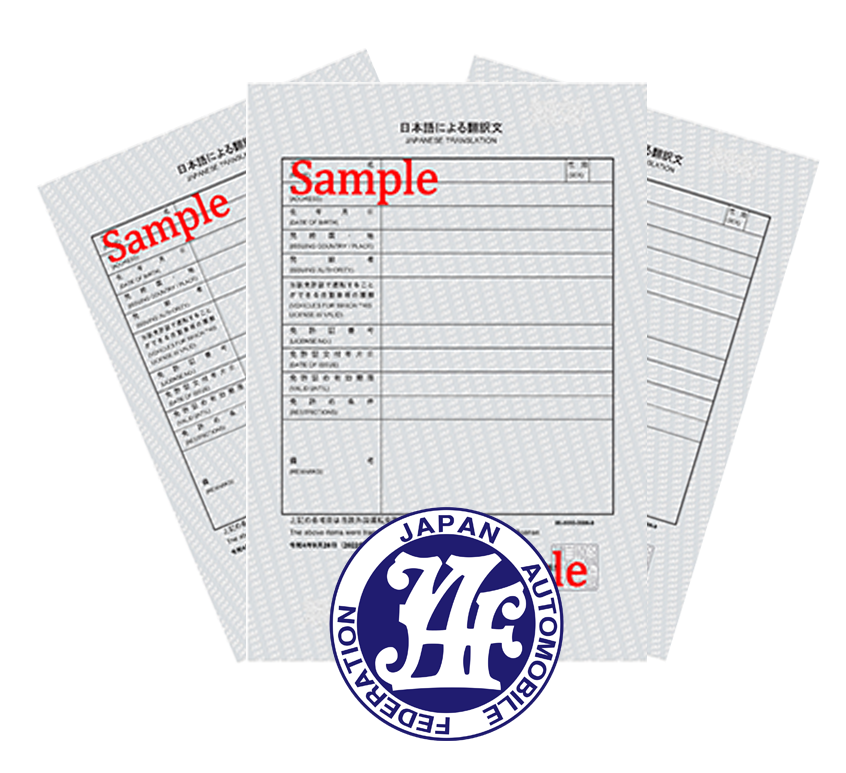
Official JAF translation: drive legally in Japan
Procedures, lead times, printing at a konbini, mistakes to avoid: everything you need to know before renting a car in Japan.
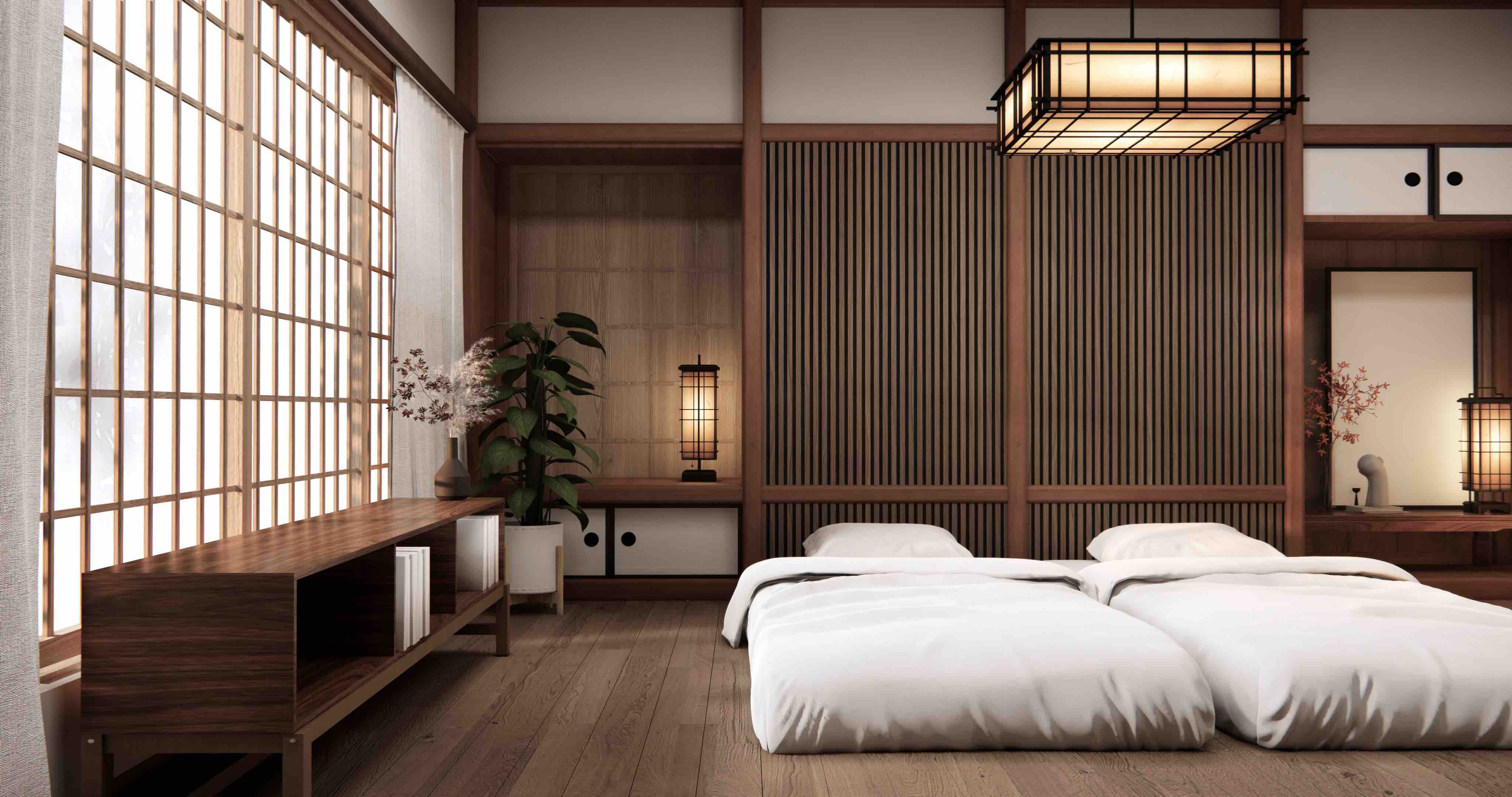
Where to stay in Japan? A complete guide to accommodation
Discover the different types of hotels and choose the accommodation that suits your personality and your trip to Japan.
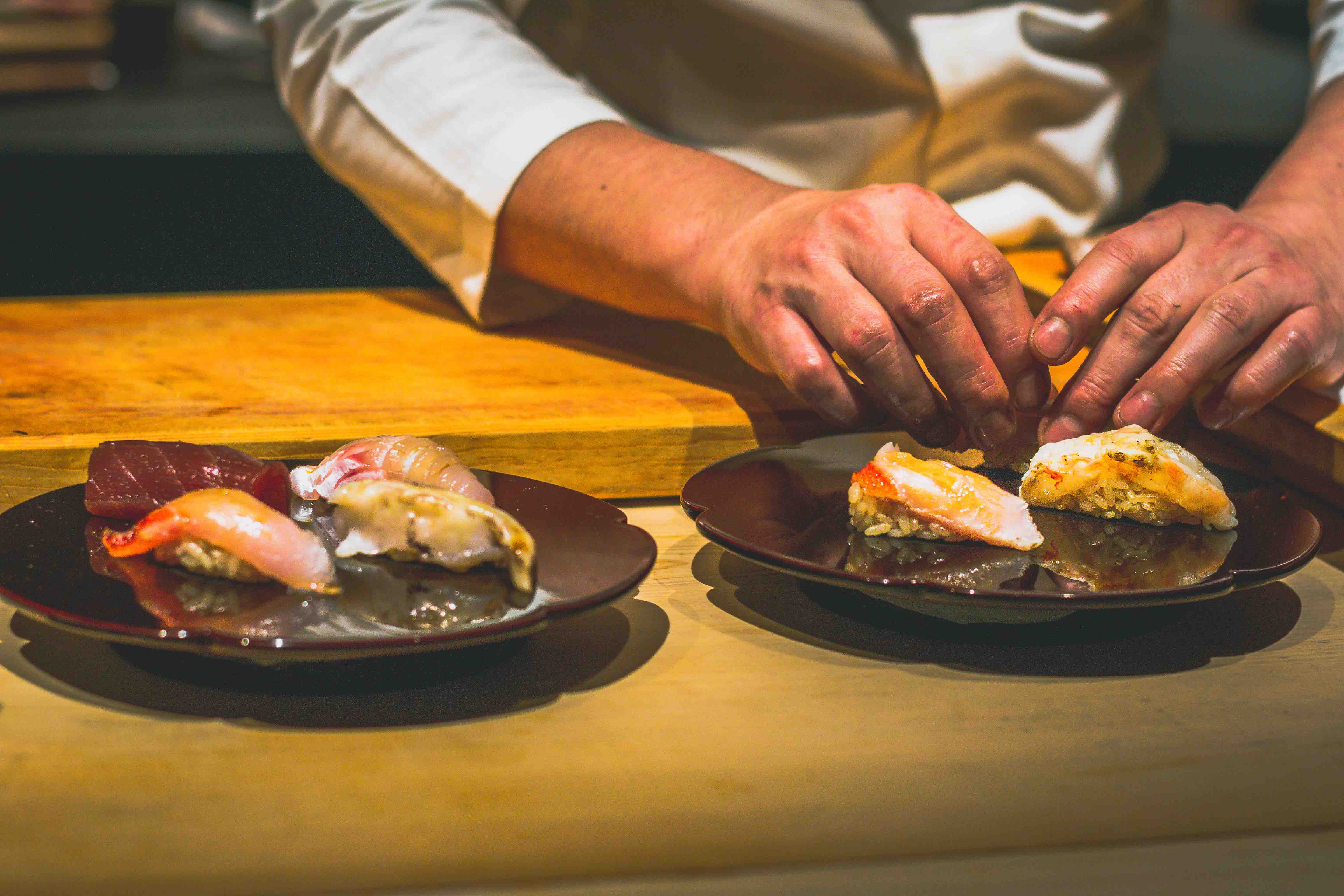
A first culinary trip to Japan: a foodie itinerary to awaken your senses
All the culinary specialities to delight your taste buds on your trip to Japan.