The first time I set foot in Japan, I naively thought that “booking a hotel” would be enough. I soon realised that choosing your accommodation in Japan is an integral part of the trip itself. Sleeping in a traditional ryokan, letting yourself be enveloped by the steam of an onsen, spending a night in a capsule hotel, sharing a meal in a family-run minshuku or stopping off in a small village in the middle of a road trip… every choice shapes the way you experience the country.
In this guide, I take you with me through the different ways of staying in Japan: where to sleep, what to book, how to avoid unpleasant surprises, and how to make the most of every night you spend there. Whether you are planning a big trip by train, an itinerary by car or a first taste of the country, you will find here a complete overview of accommodation in Japan, with very practical advice and a few confessions from a fellow traveller.
Ryokan: sleeping in Japan as if in a traditional dream
If I could recommend only one type of accommodation for a first trip, it would without hesitation be the ryokan. These traditional Japanese inns offer a concentrate of everything that makes the country so magical: tatami mats, futons, refined meals, hot baths and that delicate hospitality known as omotenashi.
How does a ryokan work?
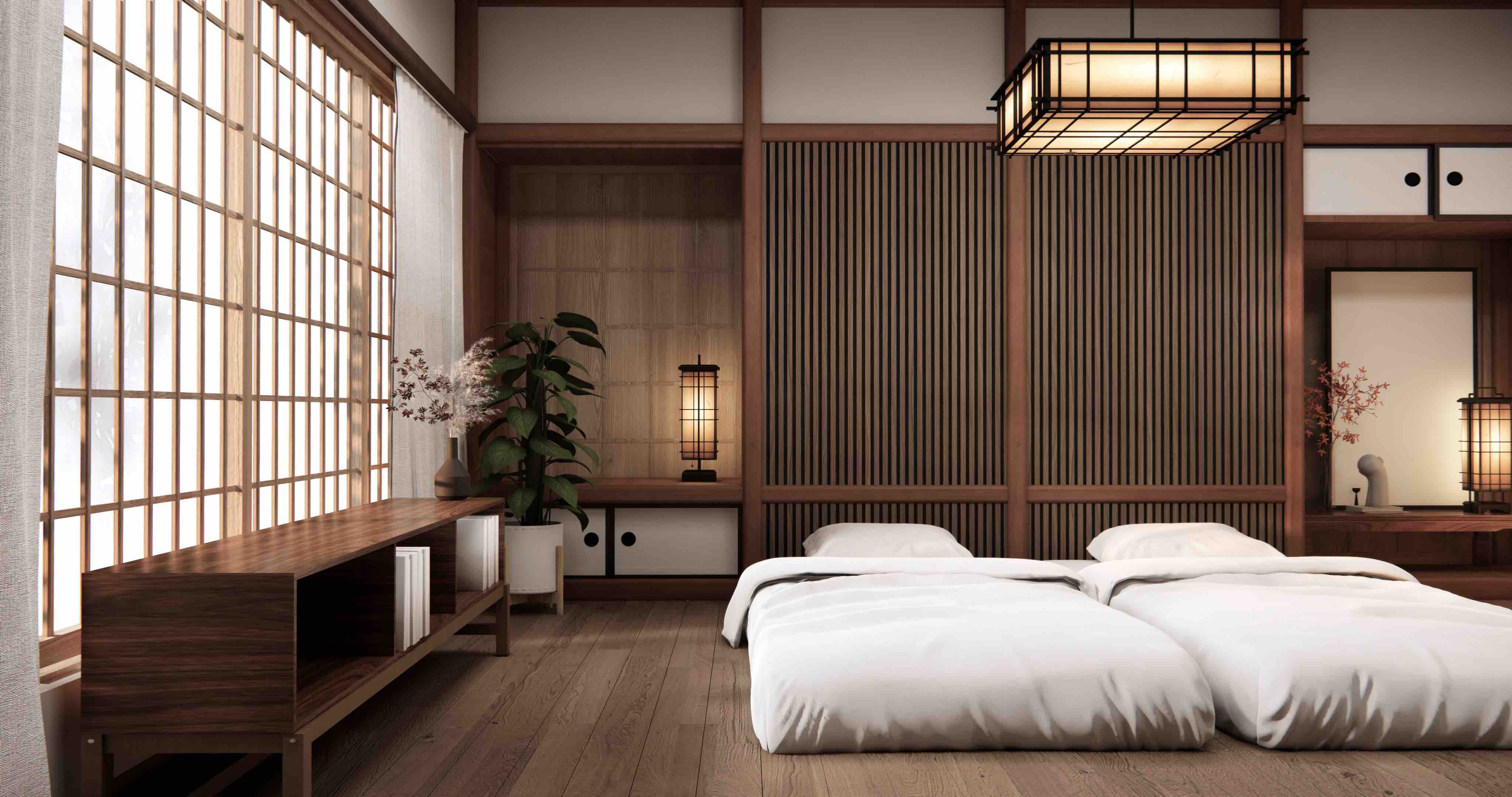
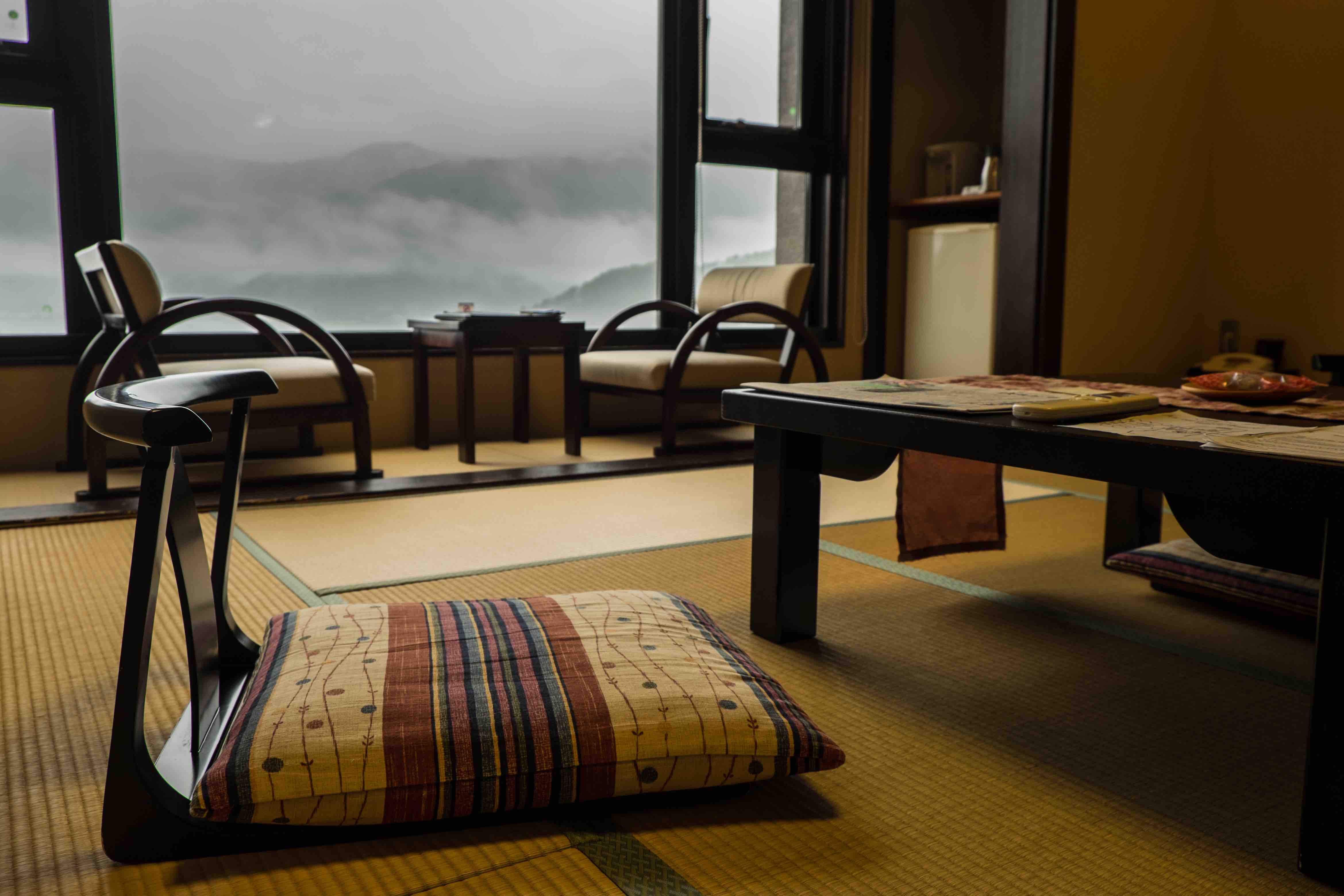
When you arrive at a ryokan, you are often asked to leave your shoes at the entrance. You are then shown to a beautifully understated room: tatami floor, low table, cushions, sometimes a small balcony overlooking a garden or a river. The futon is not there yet: the staff will lay it out later, during dinner.
In the evening comes the kaiseki meal. It is usually served in your room or in a dedicated dining room. It is a real ballet of small dishes: grilled fish, seasonal vegetables, sashimi, clear broth, tempura, pickles… Everything is designed to celebrate local produce. Most travellers retain a deeply vivid memory of this dinner, as much for the flavours as for the way everything is presented.
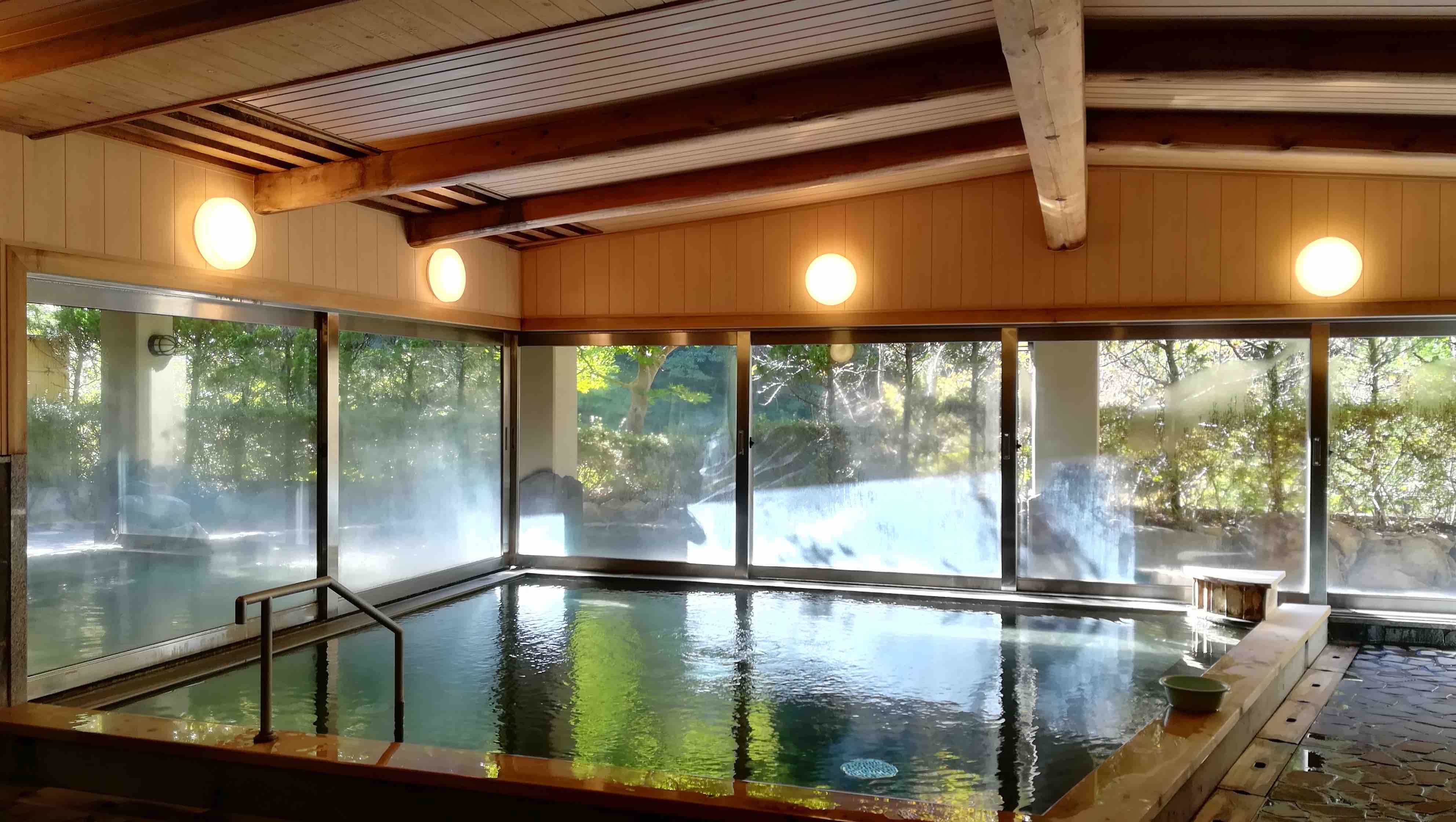
Once you have eaten your fill, it is time for the bath. Many ryokan have an onsen, sometimes open-air, or at the very least large communal baths. You wash meticulously before getting into the water, then let yourself float in the mineral warmth, with nothing but the sound of running water and the wind in the trees as your soundtrack.
Futon, tatami, yukata: the customs to know
Sleeping on a futon laid on the tatami may worry you at first, especially if you are used to large Western hotel beds. In reality, the bedding is often very comfortable, with several layers of mattresses and duvets. You are also lent a yukata, a light cotton kimono that you can wear anywhere inside the establishment, including on your way to the bath or to dinner.
Schedules are generally stricter than in a standard hotel: a limited check-in time, a fixed time for dinner, baths open at certain times only. That is the price to pay for extremely personalised service. The advice I always give: include at least one night in a ryokan with meals included in your itinerary, especially in a region renowned for its onsen such as Hakone, Kinosaki, Kusatsu or the Japanese Alps.
What budget for a ryokan in Japan?
Prices can vary enormously. You will find simple ryokan at around €80–120 per person with half board, and luxury establishments at several hundred euros a night. But bear in mind that a ryokan stay often includes dinner and breakfast, sometimes access to private onsen, and a standard of hospitality far higher than that of a standard hotel.
For a first experience, aim for a mid-range ryokan in a spa town that is easy to reach from Tokyo or Osaka. Book several weeks, or even several months, ahead in high season (cherry blossom, Golden Week, autumn).
Onsen and hot baths: the Japanese art of unwinding
Onsen, baths fed by natural hot springs, are intimately linked to Japan's landscapes. They nestle at the foot of volcanoes, by the sea, deep in the forests. For me, a trip to Japan without an onsen is a bit like a trip to Italy without gelato.
The essential rules in an onsen
First and foremost, you bathe naked, in areas that are generally separated for men and women. You start by undressing in the changing room, then enter the washing area: small stools, showers, soap, shampoo. You wash and rinse yourself thoroughly, tie up long hair, and only then do you get into the pool.
You do not put your head under the water, you do not swim, and you speak quietly. The small towel you are given must not touch the water: you put it on the edge of the bath, or on your head. Most establishments display clear rules, even if you cannot read Japanese.
Tattoos, modesty and private onsen
The question of tattoos comes up often. Some onsen still ban them, others accept them under certain conditions (small covered tattoos, private hire of the bath, etc.). If this applies to you, the simplest option is to book a ryokan with a private onsen (in your room or an exclusive-use “family bath”): you can enjoy the experience without any stress.
Where to enjoy the best onsen?
If you are passing through Tokyo, Hakone and Kusatsu are classics. From Osaka or Kyoto, Kinosaki Onsen and Arima Onsen are among the most popular destinations. Beppu and Yufuin, in Kyushu, offer a multitude of springs with varied waters. In the north, the hidden onsen of Tohoku or Hokkaido are perfect for those looking for something wild and authentic.
Capsule hotels: sleeping in futuristic Japan
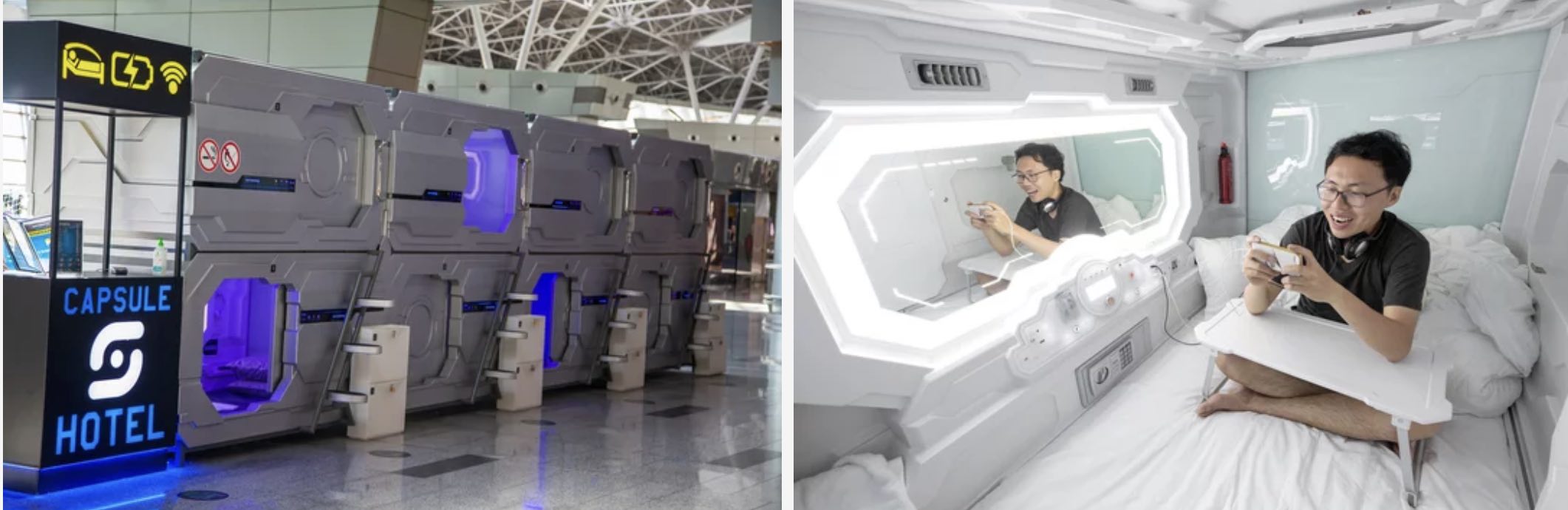
The first time I booked a capsule hotel in Japan, it was partly out of curiosity. I had in mind those images of capsules packed tightly together, almost like in a spaceship. The reality is more nuanced: today there is a wide variety of capsules, from the most basic to the most stylish.
How does a capsule hotel in Japan work?
In practice, you rent a sleeping space rather than a room. It may be a capsule closed off by a curtain or a door, with a mattress, a power socket, sometimes a small television and a safe. Bathrooms and living areas are shared. There is often a lounge, a laundry room, vending machines and sometimes a large communal bath.
There are “old-school” capsules, very functional, often used by office workers who miss the last train, and “new-generation” capsules, carefully decorated and designed for tourists: soft lighting, secure lockers, wifi everywhere, self-service coffee. Some are women-only, others mixed.
Advantages and limitations of capsules
Capsules are perfect for one or two nights in the city if you are on a tight budget or want to try an ultra-modern side of accommodation in Japan. They are generally safe, clean and well organised. On the other hand, you should not count on complete privacy, or on lots of space to unpack your luggage.
If you are travelling as a couple, it is not always the most practical option: the areas are often separated for men and women, and nights can be a little noisy depending on your capsule neighbours. But for a different experience, especially in Tokyo or Osaka, it is a curiosity worth trying at least once.
Family-run hotels and minshuku: everyday Japan
Between the big chain hotel and the luxury ryokan, there is a category of accommodation that I really love: minshuku and small family-run hotels. These are often simple guesthouses, run by a local family, with just a few rooms and a very warm welcome.
What is a minshuku?
A minshuku is a bit like the Japanese equivalent of a B&B. You sleep in a simple room, often on tatami with a futon, and you eat on site, with meals prepared by the family. Dinner is less sophisticated than in a ryokan, but often delicious: grilled fish, rice, miso soup, vegetables and local specialities.
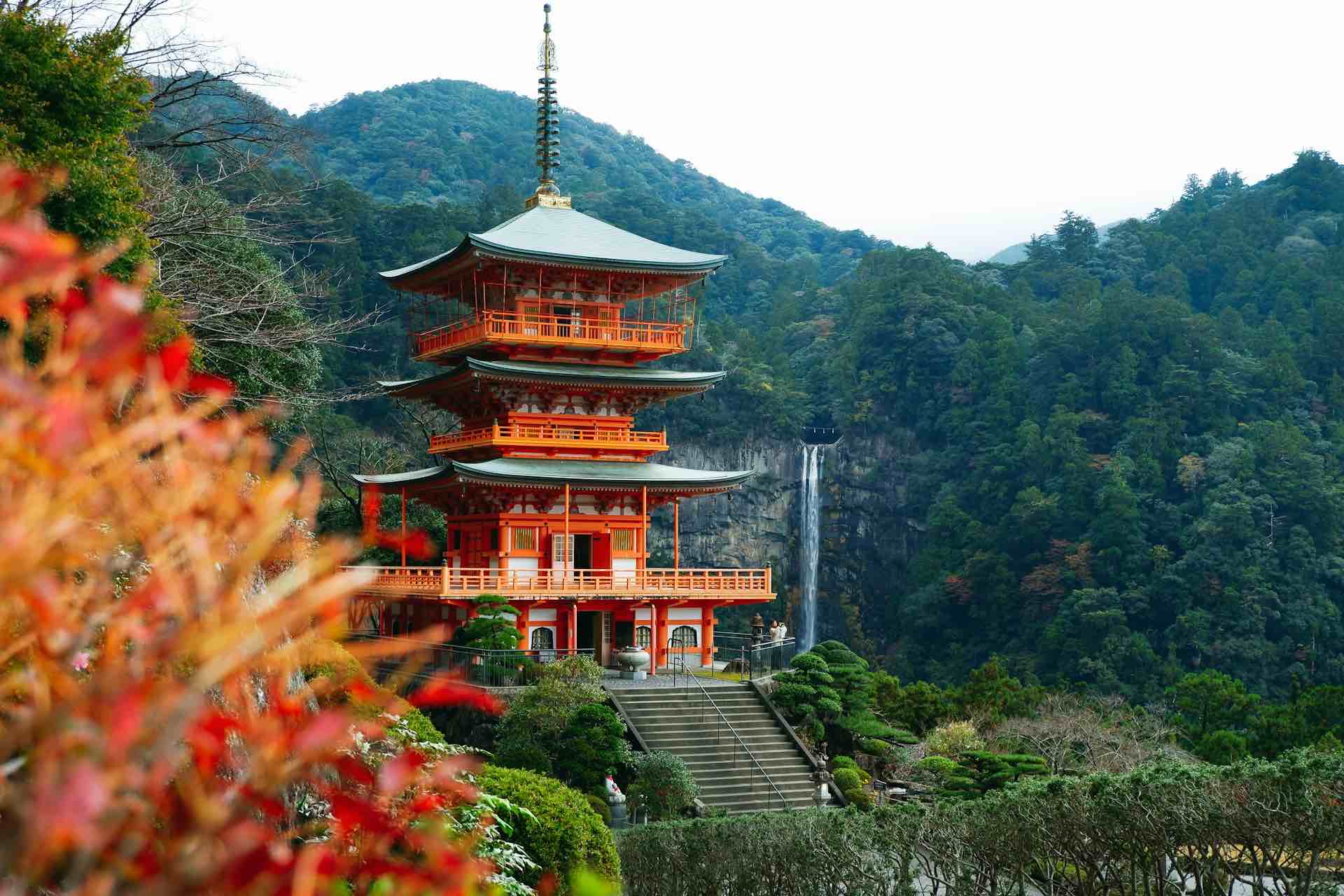
You will find many minshuku in rural areas, mountain villages, fishing regions or along hiking routes (for example on the Kumano Kodo or the Nakasendo). For travellers who want to get away from the big cities and see “everyday” Japan, it is a wonderful choice.
Who are minshuku for?
I recommend them to travellers who are not afraid to step a little outside their comfort zone: set schedules, sometimes shared bathrooms, limited English… but unrivalled authenticity. It is often in this kind of accommodation that you have the simplest and most touching exchanges with local people.
Airbnb in Japan: what you need to know before booking
Many travellers instinctively turn to Airbnb in Japan, especially when travelling as a family or in a group. That is understandable: having a living room, a kitchen and several bedrooms can be very comfortable. But the regulations on short-term rentals, known as minpaku, are strict, and not all listings are necessarily compliant.
Airbnb rules in Japan: the question of the licence
For several years now, Airbnb-type accommodation has had to have an official registration number in order to host travellers. The platforms have weeded out many listings, but some vague or incomplete ones may remain. Before booking, check that:
– the property clearly displays a licence or registration number;
– the host communicates easily and provides a precise address;
– recent reviews mention a smooth arrival.
If you see no mention of a licence, or if something seems odd to you (complicated instructions, a change of property at the last minute), you are better off looking for an alternative. A last-minute cancellation in Tokyo in high season can be a real headache.
When is Airbnb a good choice?
For families with young children, groups of friends or stays of several days in the same city, an apartment can be very pleasant. Having a kitchen also lets you enjoy Japanese supermarkets, local markets and the famous convenience stores in a different way. But if this is your first trip, I recommend alternating: a few nights in an Airbnb, and at least one or two nights in a ryokan or minshuku so as not to miss out on the traditional experience.
If you prefer to stay in a completely secure setting, family-run hotels, guesthouses and officially registered ryokan remain the simplest options: clear booking terms, professional welcome, well-established procedures.
Where to stay on a road trip in Japan: stopover villages and rural accommodation
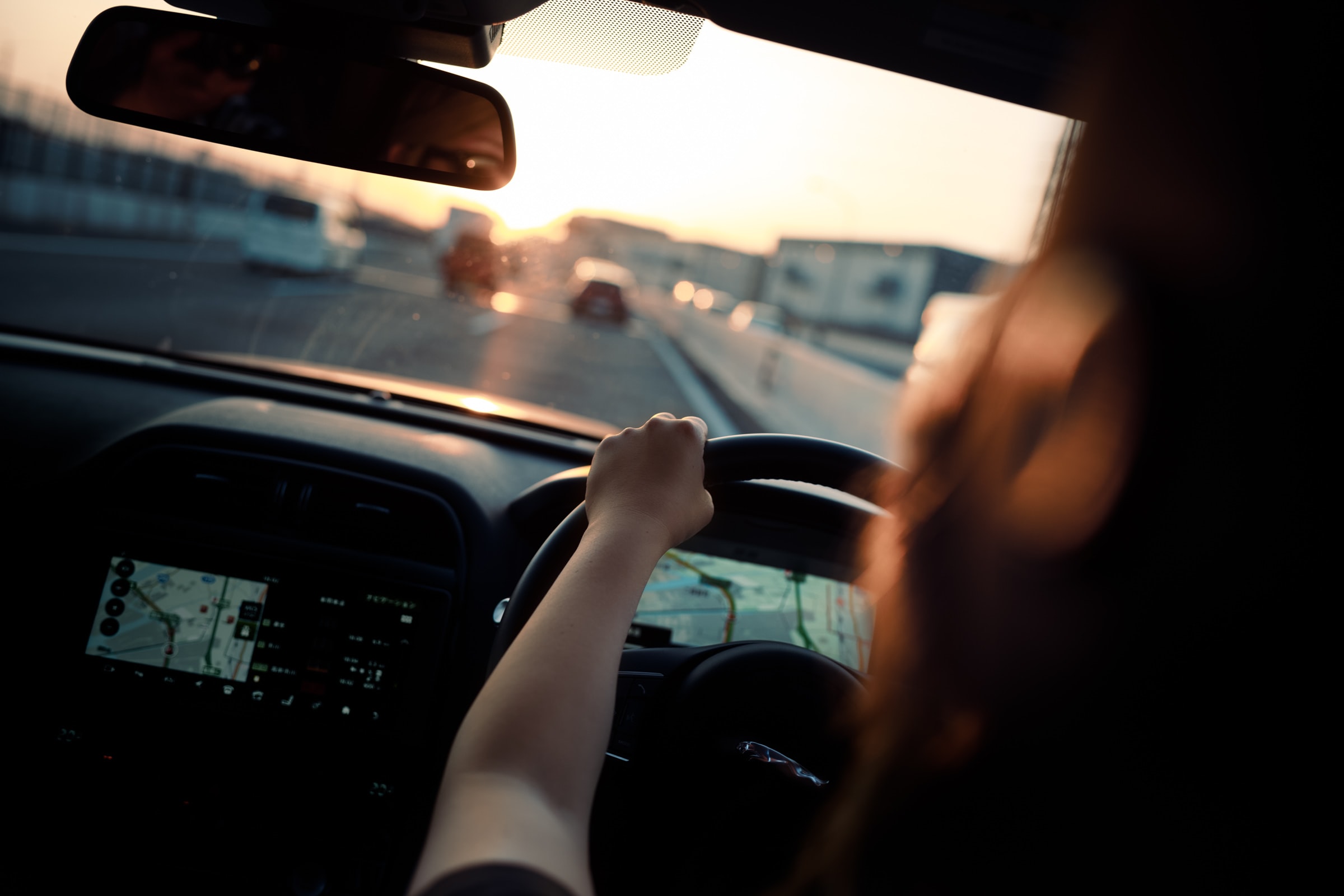
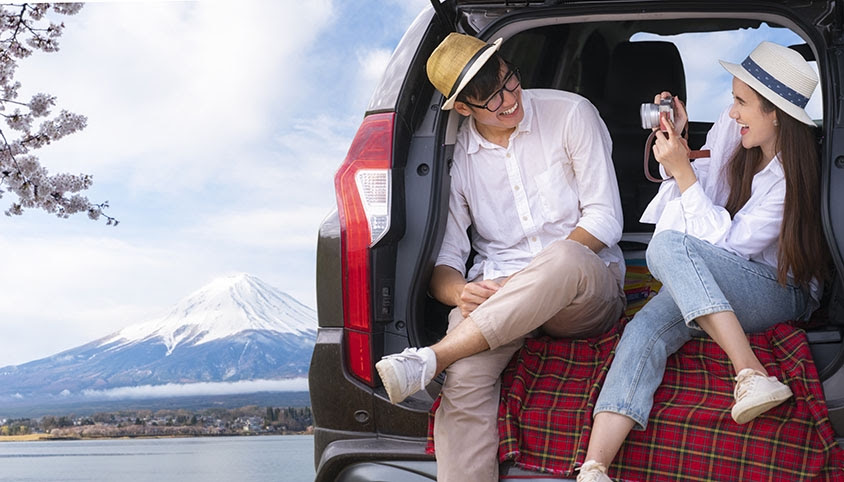
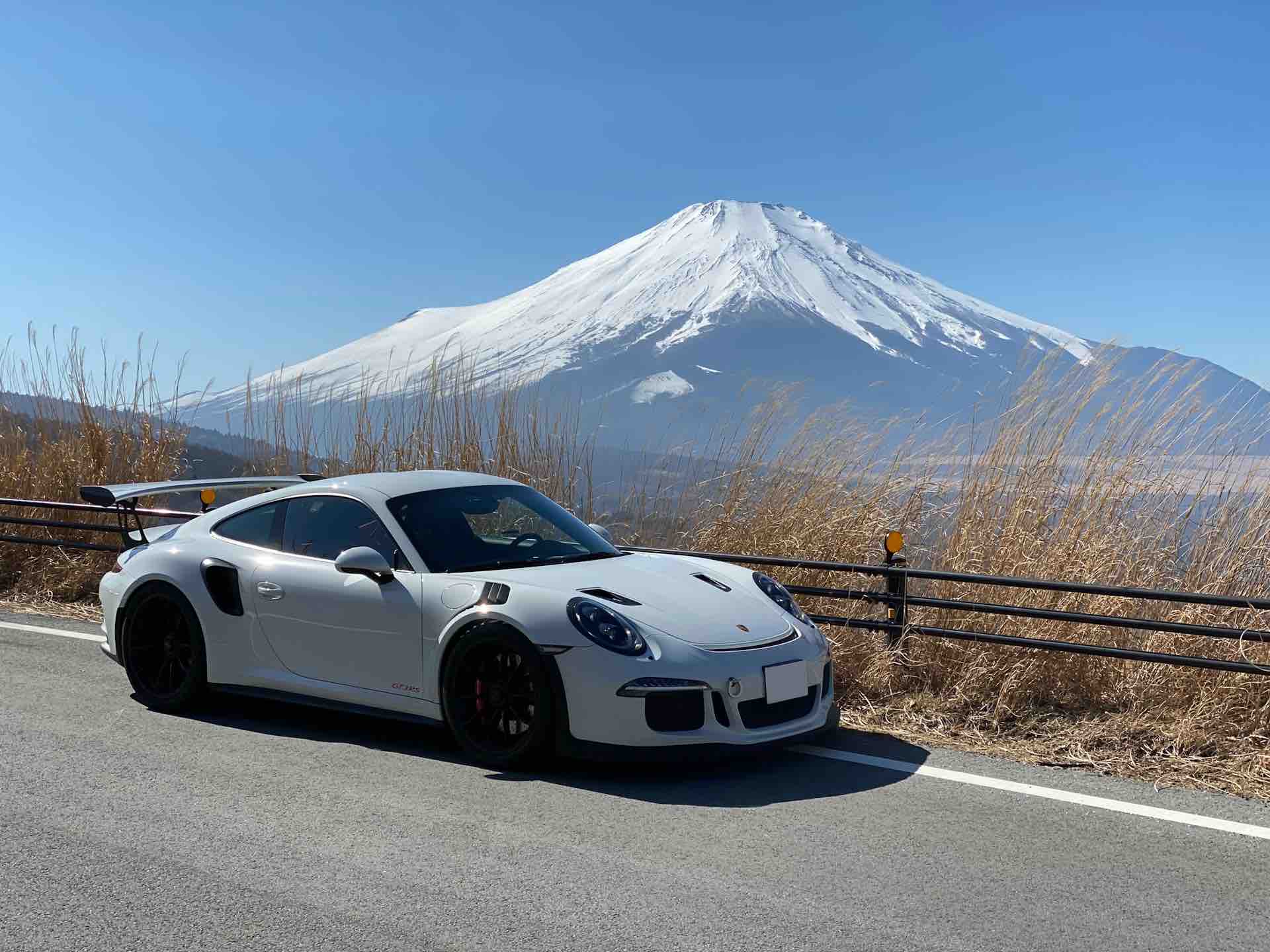
Japan is wonderful to explore by train, but some of its most beautiful landscapes reveal themselves by car. A road trip in Japan lets you link up isolated villages, hidden beaches and onsen tucked away in the mountains. And naturally, the question of accommodation takes on a different dimension: you need to think about stopover villages, rural inns and the logistics of car rental.
Michi-no-eki and stopover villages
On Japanese roads, you will often come across michi-no-eki: roadside stations with parking, spotless toilets, a small shop and local produce. You do not sleep there as you would in a hotel, but they are perfect places to take a break, buy regional specialities and plan your itinerary.
For the night, it is best to aim for rural inns, guesthouses, minshuku or small hotels near these areas. In the Japanese Alps, in Tohoku, on Shikoku or Kyushu, you will find plenty of modest but very welcoming places to stay, with free parking and often hot baths.
Driving in Japan: remember the licence translation
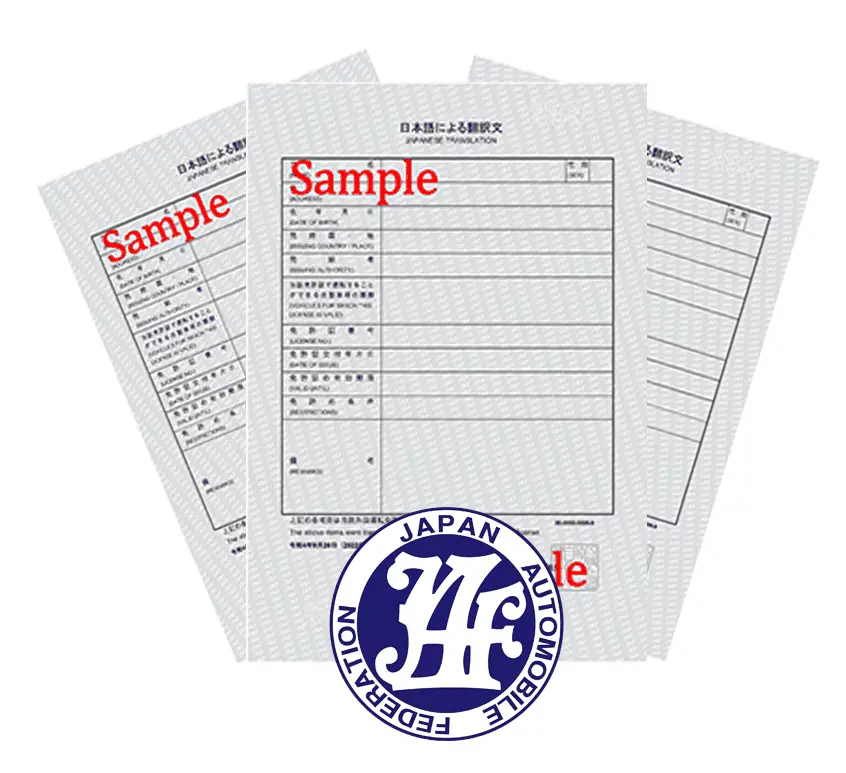
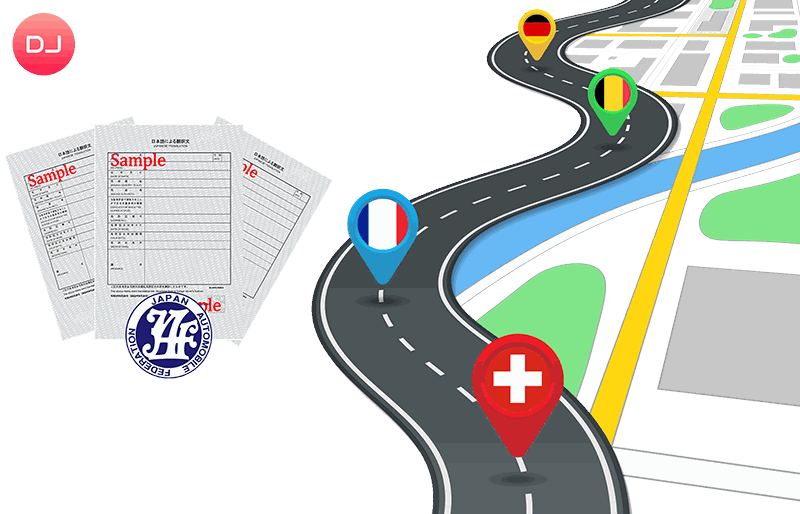
If you are planning to rent a car for your road trip, it is essential to check the licence requirements. For travellers whose licence was issued in France, Belgium, Switzerland or Germany, an International Driving Permit alone is not enough. You need an official JAF translation of your national licence to drive legally.
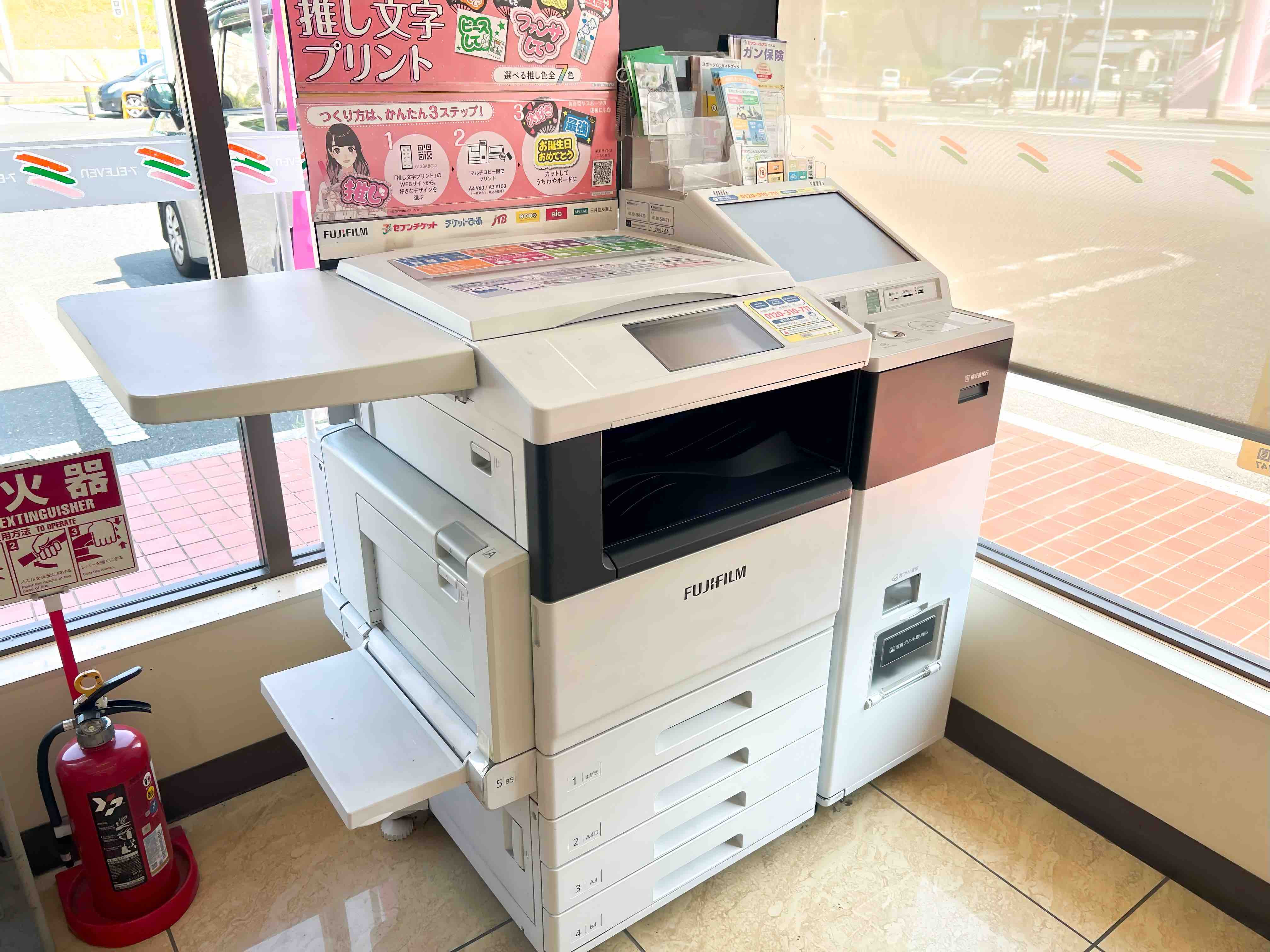
This is where a specialist service like DrivinJapan becomes invaluable. You can apply online before you leave, receive the translation at home or choose a printing option in Japan. In some cases, it is even possible to print the translation at a convenience store (such as 7-Eleven or FamilyMart) using a code, which is very handy if you are already there but have taken care of the process in advance.
The main advantage is that you do not waste any time when you arrive: your JAF licence translation is ready, compliant and accepted by rental companies, so you can leave the airport or station, pick up your car and reach your first stopover village stress-free.
Practical tips for choosing the right accommodation in Japan
1. Book early, especially for ryokan and onsen
The best ryokan and hotels with onsen fill up very quickly in high season (cherry blossom season, Golden Week, autumn). To have a choice, you often need to book several months ahead, especially if you want a room with a private bath or a particular view.
2. Adapt your accommodation to each stage
For a well-balanced trip, don't hesitate to mix things up: a city hotel in Tokyo or Osaka to be close to public transport, a ryokan or minshuku in rural areas, a capsule for an unusual night or a stopover, an apartment for a long stay in the same city. Japan lends itself very well to this mix of styles.
3. Indicative budgets
To give you a rough idea (outside the very peak season):
– capsule hotels: often between €25 and €50 per person per night;
– guesthouses / hostels: €25 to €60 for a dormitory bed or small room;
– business hotels: €60 to €120 for a double room;
– minshuku: €80 to €130 per person with dinner and breakfast;
– ryokan: €120 to €300 (and more) per person with meals and onsen.
Of course, all this depends on the location, the season and the standard, but it helps you calibrate your budget according to your priorities.
4. Etiquette in Japanese accommodation
Most of the rules are simply common sense: respect the schedules, speak quietly late in the evening, do not walk in with your shoes on where you are asked to take them off, follow the instructions given for the baths. Japanese people do not expect you to be perfect, but they appreciate you making the effort to adapt.
5. Best times of year by type of accommodation
Ryokan with onsen are magical in winter or autumn, when the air is crisp and the steaming baths contrast with the outside temperature. Minshuku and rural accommodation are particularly pleasant in spring and summer, when the rice paddies are green and the mountains accessible. Capsules are especially useful during the busiest periods in the city or if you have an early-morning connection.
If you are planning a road trip in Japan and your licence was issued in France, Switzerland, Belgium or Germany, remember to arrange your JAF licence translation in advance.
With DrivinJapan, you can apply online before you leave, receive your translation at home or choose a printing option in Japan, so you can pick up your car with complete peace of mind as soon as you arrive.
Order my licence translationFAQ – Where to stay in Japan and how to choose your accommodation?
What is the best type of accommodation for a first trip to Japan?
For a first stay, the ideal is to combine several options: a well-located hotel in the city for convenience, at least one night in a ryokan with onsen for the traditional experience, and possibly a small family-run hotel or minshuku in a rural area. This lets you discover both modern Japan and a more intimate Japan, without limiting yourself to a single type of accommodation.
How do you choose a good ryokan in Japan?
To choose the right ryokan, look at the location (spa town, mountains, seaside), recent reviews, photos of the rooms and baths, and above all whether meals are included. A good indicator is the presence of a kaiseki meal and an onsen. Remember to book well in advance in high season, especially around Kyoto, Hakone or the Japanese Alps.
Is Airbnb in Japan a reliable place to stay?
Airbnb in Japan can be a good option, but you need to check that the property has an official licence number and read travellers' reviews carefully. The regulations are strict, and some listings may be withdrawn at the last minute if they are not compliant. To be on the safe side, alternate with officially registered hotels, ryokan or guesthouses.
Do you need a licence translation to rent a car in Japan?
Yes, if your licence was issued in France, Belgium, Switzerland or Germany, you will need an official JAF translation of your national licence to drive in Japan. An International Driving Permit alone is not enough. The ideal is to plan ahead and apply online, for example via DrivinJapan, so that your translation is ready as soon as you arrive.
Are capsule hotels in Japan suitable for women travelling alone?
Many capsule hotels in Japan offer floors or areas reserved for women, with secure access. They can be perfectly suitable for solo female travellers, provided you choose well-rated, recent or renovated establishments, ideally located near the main stations so you avoid coming back late through isolated areas.
How far in advance should you book accommodation in Japan?
For chain hotels in the city, a few weeks may be enough outside high season. On the other hand, for ryokan with onsen, minshuku on hiking trails and accommodation in very touristy areas (Kyoto, Hakone, Miyajima), it is better to book several months ahead, especially if you are aiming for periods such as cherry blossom season or autumn.
Our favourite: Candeo hotels, between ryokan and design hotel
Of all the places tested by the DrivinJapan team, Candeo hotels are clearly among our favourites. They offer that rare blend of the comfort of a modern hotel and the soothing atmosphere of a Japanese bath, with particular care given to the communal areas, the lighting and the materials. It is the kind of place you come back to in the evening after an intense day of sightseeing and really feel as though you are in a cocoon.
In Kyoto, the Candeo hotel we recommend is almost a bridge between the world of the ryokan and that of contemporary hospitality: uncluttered rooms, clean lines, top-quality bedding, baths on the roof or on the upper floors, and a refined atmosphere without being intimidating. You will find some of the hallmarks of a ryokan (bath, calm, soft materials), but with the flexibility and services of a city hotel. It is an ideal choice if you want a slightly luxurious experience without going fully high-end.
In Osaka, Candeo hotels are especially appealing for their sky view bath: a bathing area high up, with views over the city. Slipping into a hot bath while gazing at the Osaka skyline at night is a truly memorable experience, especially if you don't have time to go to a big spa resort. It is both convenient for exploring the city (close to public transport) and very pleasant for relaxing at the end of the day.
Finally, the Candeo in Wakayama is an excellent base if you want to explore the region, its temples, its coastline and its onsen. You will find the same signature style there: comfortable rooms, careful design, a peaceful atmosphere, and always those baths that turn a simple hotel night into a real wellbeing break. For anyone torn between a standard hotel and accommodation with a Japanese bath, Candeo hotels are an option we are happy to recommend.