Skip to content

Travelling in Japan: Practical Guide, Advice, Tips and Tricks

DrivinJapan

The article offers a complete guide for travellers preparing a trip to Japan. It covers essential topics such as visa requirements, currency exchange and the importance of travel insurance. It also addresses language barriers, suggesting the use of translation apps. The guide highlights the best times to visit Japan, describing the unique attractions of each season.

It also underlines the advantages of travelling by car in Japan, allowing tourists to explore remote regions and enjoy traditional experiences.

DrivinJapan

DrivinJapan, Blog

The DrivinJapan Blog

Formalities, budget, seasons, transport, money, customs and etiquette, the language barrier… and why a car can transform your trip once you leave the big cities.

Long-read article • Updated: 16/12/2025
Travelling in Japan - Complete guide
Keywords: travelling in Japan, Japan formalities, Japan budget, Japan seasons, driving in Japan
For: first-timers, families, digital nomads, road trips
Goal: plan a simple, smooth, stress-free trip

1) Travelling in Japan: an unforgettable adventure

Travelling in Japan means entering a country that brings two worlds together without ever setting them against each other: the legacy of an ancient culture and a modernity that is often spectacular. You can go from a silent temple where the wooden floor creaks underfoot to a dazzlingly bright district where giant screens, arcade games and themed cafés make you feel you are in the future. This contrast is part of Japan's magic: everything seems to be in its place, everything is "organised", and yet the emotion is very real.

Many travellers describe Japan as a "positive shock". Not because everything is perfect, but because the country has its own logic: politeness, precision, attention to detail, cleanliness, respect for shared space. Even if you don't speak Japanese, you sense that there is a way of doing things, an everyday harmony. And that is exactly what makes the trip so memorable: you discover landscapes, but you also discover a way of life.

You sometimes hear: "Japan is expensive." In reality, Japan can be more affordable than you think, provided you plan wisely. The plane ticket may be the biggest expense, but once there you can eat very well on a reasonable budget, get around efficiently and have incredible experiences without breaking the bank. The key is to choose your priorities: it is impossible to "do everything" in a single trip, even in three weeks.

Simple tip: before booking anything, write down your top 3 priorities (e.g. temples & culture, nature & onsen, pop culture & shopping). Then build your itinerary around them. Japan rewards coherent itineraries.

2) Formalities for entering Japan

The first step towards a successful trip is making sure you can enter the country without stress. Formalities vary according to your nationality and the rules in force when you travel. Many countries benefit from visa exemptions for short tourist stays (often up to 90 days), but that doesn't mean you should improvise: always check the official requirements before you go.

2.1 Visa: do I need one?

For many travellers (including French nationals in most tourist situations), a visa is not required for a short stay. But be careful: tourism is not work. Even if you are a digital nomad, your situation may be more complex if you intend to work "locally" in the administrative sense. The safest option is to consult the official information (embassy/consulate) and determine your status.

2.2 Passport, length of stay and proof

Make sure your passport is valid for the entire length of your stay (and ideally beyond). Also bear in mind that, during a check, you may be asked for the address where you are staying (hotel) and sometimes an onward or return ticket. This is not systematic, but having your bookings to hand (on paper or on your smartphone) can save you time.

2.3 Health and entry requirements

Health rules and required documents can change. Rather than assuming a "fixed" situation, remember this: check the official entry requirements one to two weeks before departure, and keep a copy of your important documents. When travelling, the habit of "checking the latest info" is worth its weight in gold.

Important: don't rely on a YouTube video or an old post for formalities. Rules can change. Do an official check before you leave.

3) Money: cash, cards, currency exchange and classic pitfalls

Japan has long been a very "cash" country. Things are changing, but it is still common to pay in cash, especially in small restaurants, some temples, markets, rural areas and family-run businesses. The upshot: have a simple strategy so you are never caught short.

3.1 Exchanging money: before you go or once there?

Many travellers prefer to exchange part of their budget before arriving, so they are comfortable from the moment they land. This avoids the stress of the first withdrawal, especially if you arrive late. You then top up locally at cash machines. The best compromise: arrive with a little cash (transport, meals, first expenses), then withdraw gradually.

3.2 Withdrawing money in Japan: where and how

The cash machines in some konbini (convenience stores) are very handy, especially 7-Eleven. You will also find ATMs at airports. Check with your bank: fixed fees, exchange rates, limits. Japan is very safe, but still use common sense with your cash (zipped bag, keeping it in separate places).

3.3 Cards and contactless payments

In big cities, cards are often accepted. But in small towns, it is not guaranteed. And even when cards are accepted, you may come across an incompatibility or a temperamental machine. Keep some cash as a back-up and you'll have peace of mind.

Tip: always keep the equivalent of 5,000 to 15,000 yen in "emergency" cash (transport, meals, taxi). You may never use it… but the day you need it, you'll be glad you have it.

4) Travel insurance: not compulsory, but strongly recommended

Many people hesitate to take out insurance, thinking "it only happens to other people". But a trip to Japan can be long, you may travel around a lot, and medical costs can soar. Good insurance generally covers: medical care, hospitalisation, repatriation, luggage, cancellations and 24-hour assistance.

The real benefit isn't only financial: it's the assistance. When you are on the other side of the world, having a number that answers and guides you gives you peace of mind.

5) Language: do you need to speak Japanese or English?

No, it isn't compulsory. Yes, it helps. The reality is simple: many Japanese people speak little English, but they are often very respectful and will make an effort. The key is to be patient, to smile and to use the right tools.

  • Google Translate (text + photo): essential for menus, signs and instructions.
  • A simple sentence + gestures: often more effective than complicated English.
  • Big cities: more English in stations, hotels and tourist areas.

Learning a few words changes everything: "sumimasen" (excuse me), "arigatou gozaimasu" (thank you), "onegaishimasu" (please), "daijoubu" (it's OK), "eigo" (English). Even badly pronounced, they create good vibes.

6) When to go to Japan? The seasons and their atmospheres

Japan can be visited all year round. The best season depends on what you are looking for: blossom, temperatures, festivals, red leaves, snow, onsen… Each period has its advantages and drawbacks.

6.1 Spring (March to May): sakura and energy

Spring is the most "iconic" season thanks to the cherry blossom. It is superb and photogenic, and the atmosphere is joyful. On the downside: it is often more expensive and busier. To make the most of it, book ahead and avoid the most crowded spots at peak times.

6.2 Summer (June to August): festivals and heat

Summer is hot and humid in many regions, but it is the season of matsuri (festivals), fireworks and incredible energy in the streets. If you can handle the heat (and enjoy a festive atmosphere), summer can be magical. Remember: stay hydrated, wear breathable clothing and take breaks in air-conditioned places.

6.3 Autumn (September to November): colours and mild weather

Autumn is often considered the "premium" season: pleasant temperatures, clearer skies and koyo (red leaves) in the mountains and parks. A very good balance between beauty and comfort.

6.4 Winter (December to February): snow, onsen, illuminations

Winter is perfect if you love onsen, snowy landscapes (especially in the north) and the illuminations in some cities. It is also the season for winter sports in renowned regions. Fewer crowds in some places, but bring warm clothes.

Planning tip: in Japan, 2 weeks fly by. It is better to do 2–3 regions "properly" than 6 regions "at a run".

7) Budget: travelling in Japan without blowing your budget

Japan can be affordable if you spend "where it counts" and optimise the rest. Here are the key items: transport, accommodation, food, activities, shopping.

7.1 Accommodation: simple strategies

  • Business hotels: good value for money, very practical.
  • Ryokan: a unique experience (often more expensive), worth doing 1–2 times during your stay.
  • Airbnb / apartments: a good option for families or for several days.
  • Capsule / guesthouse: the budget option (and sometimes very stylish).

Tip: Japan rewards consistency. Staying 3 nights in the same place can be cheaper and less tiring than moving every night.

p>More information in our article Where to stay in Japan? A complete guide to accommodation

7.2 Food: you can eat very well for little

Japan is a culinary paradise… and not just in expensive restaurants. You can eat very well at ramen-ya, curry shops, donburi places, decent local chains and even at a konbini when you're in a pinch. Most importantly: try things, be adventurous and don't limit yourself to "sushi".

7.3 Activities: free + premium

Many temples, parks, neighbourhoods and walks are free or inexpensive. Save your "premium" budget for a few standout experiences: a ryokan/onsen, a ceremony, a class, a flagship museum, a match, a panoramic view.

8) Getting around Japan: train, metro… and when a car becomes a superpower

Japan has one of the best transport networks in the world. In big cities, the metro and trains are ultra-efficient. For long journeys, the Shinkansen is a joy: fast, clean, reliable. So… why talk about cars? Because as soon as you leave the classic routes, a car can transform your trip.

8.1 When public transport is unbeatable

  • Tokyo, Osaka, Kyoto: a car is often unnecessary (and sometimes a hassle).
  • "Classic" itinerary: Tokyo → Kyoto → Osaka → Nara: the train is perfect.
  • Accessible short trips: many spots are easy to reach by train/bus.

8.2 When a car becomes the best option

As soon as you head for the countryside, remote onsen, coastal roads, mountains, small villages or photo spots far from stations, a car becomes a secret weapon: total freedom, flexible timing, comfort (especially with luggage or children) and access to less touristy places.

Winning formula: big cities by train + car rental for 2–6 days in the regions. It is often the best balance of budget / comfort / experience.

8.3 Driving in Japan: what you need to know (stress-free)

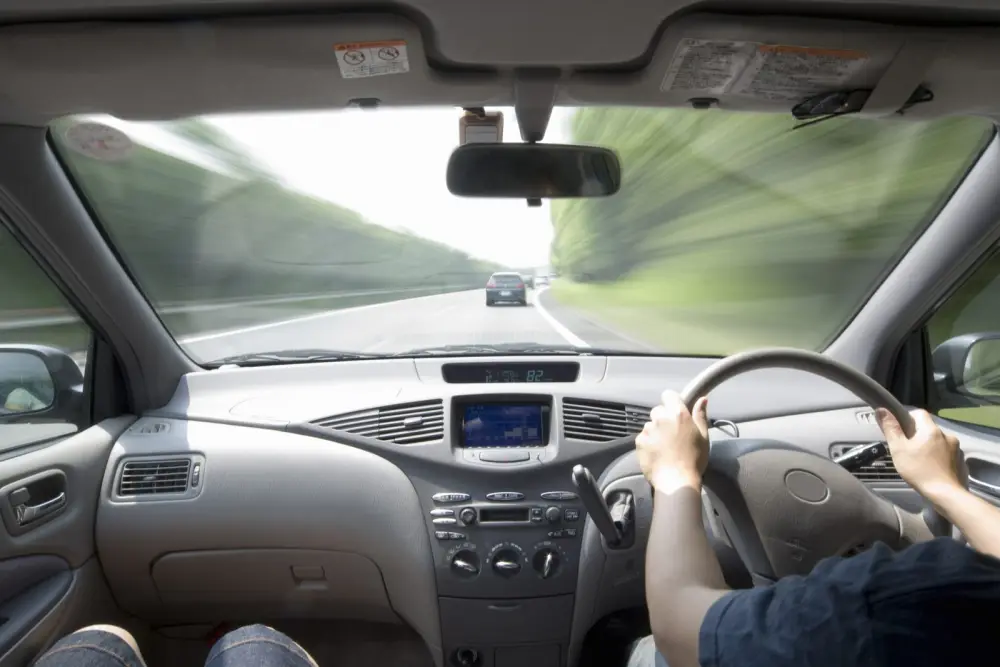
Driving is generally safe and the roads are well maintained. The main change for drivers from France, Belgium, Switzerland, Germany, Monaco or Taiwan: you drive on the left and the steering wheel is on the right. You adapt quickly, especially if you start in a quiet area. In dense cities, driving can become stressful (traffic, car parks, complex exits). Hence the importance of renting in the right place.

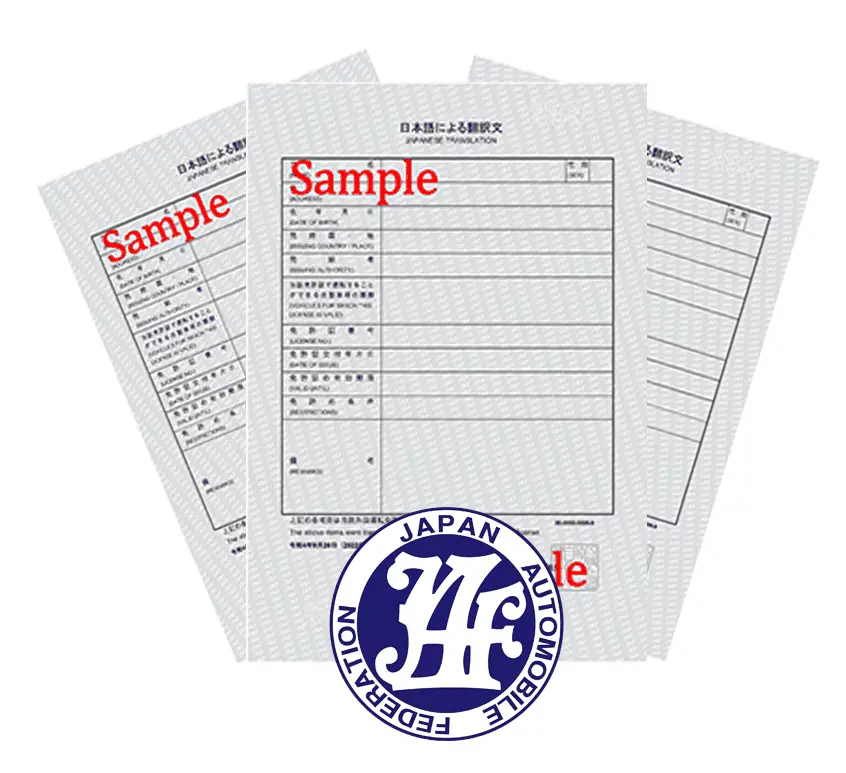
Above all: before driving, make sure you have the right document. Depending on your country, Japan requires an official translation of your licence or a recognised document. If in doubt, DrivinJapan can guide you and simplify the process.

9) Customs and etiquette: the social rules that make Japan pleasant

Japan is often simpler once you understand its codes. You don't need to be perfect: effort and respect are what count. Here are the basics for avoiding misunderstandings.

9.1 On public transport

  • Avoid talking loudly on the phone.
  • Let people off before getting on.
  • Respect queues, even when "it looks empty".

9.2 Indoors (homes, certain places)

  • Take your shoes off at the entrance when asked.
  • Follow the instructions (slippers, designated areas).

9.3 At the table

  • Avoid sticking your chopsticks upright in your rice (a funeral symbol).
  • Say "itadakimasu" before eating and "gochisousama" afterwards (optional, but appreciated).

9.4 In onsen

Hot springs are one of Japan's great pleasures. The rules vary from place to place, but the general idea is: hygiene, calm, respect. Wash thoroughly before getting into the water. You don't swim; you relax. If you have tattoos, check the establishment's policy (some accept them, others don't).

Golden rule: if in doubt, watch what others do and follow suit. Japan rewards observation.Above all, please listen to staff and respect the regulations in force. Avoid venturing into unauthorised areas and follow instructions carefully. Unfortunately, many public and tourist sites are facing a growing amount of antisocial and disrespectful behaviour from some travellers.

10) How to build a smart itinerary

Japan is vast. Distances "on the map" can be misleading: between two nearby places there may be several changes. The key is to build your itinerary in coherent "blocks", with bases of 2–4 nights.

10.1 2-week itinerary (classic + efficient)

  • Tokyo (4–6 nights): neighbourhoods, day trips, food, museums
  • Kyoto (3–4 nights): temples, historic districts, Fushimi Inari early in the morning
  • Osaka (2–3 nights): food, atmosphere, day trip to Nara
  • Regional option (2–3 nights): Hakone / Alps / Kinosaki / lake / coast

10.2 3-week itinerary (with a real nature region)

Add a nature "block": the Japanese Alps, Kyushu, Shikoku, Hokkaido (depending on the season). This is often where a car becomes worthwhile for exploring off the main routes.

11) Travel checklist (to copy and paste)

✅ Passport + copies (cloud + paper)
✅ Check entry formalities before departure
✅ Travel insurance (recommended)
✅ Bank card + some cash to start with
✅ Data (eSIM / pocket Wi-Fi)
✅ Key bookings (first nights, journeys)
✅ If driving: licence document + insurance + parking plan
✅ Useful apps: Maps, Translate, transport, weather

12) FAQ (frequently asked questions)

Is Japan really expensive?

It can be if you stack up premium hotels, taxis and costly activities. But you can also travel "smart" : business hotels, local restaurants, optimised transport and a few carefully chosen premium experiences.

Do I need to speak Japanese?

No. A little English + a smartphone are enough. A few Japanese words greatly improve the experience, but they are not essential.

Should I travel by train or by car?

Train for the big cities and main routes. Car for the regions, the countryside, isolated spots, nature and remote onsen. A combination of the two is often perfect.

Why should I carry cash?

Because some places don't accept cards, especially outside the big cities. Cash is a simple safety net.

Conclusion: Travelling in Japan is a unique adventure once you have the basics sorted: formalities, money, insurance, season, a coherent itinerary… Then it's time for the emotion: temples, lively neighbourhoods, food, nature. And if you want to explore Japan "off the rails", a car can become your best ally (as long as you have the right document to drive).


Driving in Japan with DrivinJapan
Travel Japan with peace of mind

Everything you need to drive and stay connected in Japan

Before you get behind the wheel in Japan, make sure you have the right documents and a reliable internet connection from the moment you land. DrivinJapan supports you with simple, fast and official solutions.

  • Official JAF translation of your driving licence for Japan
  • Japan eSIM: internet from the moment you land
  • A simple, stress-free process

DrivinJapan · Depuis 2017

La référence pour obtenir votre traduction JAF depuis l'Europe

15 000+ permis traduits 4,9/5 sur Trustpilot

Pourquoi passer par DrivinJapan ?

Comparatif entre une demande directe à la JAF et DrivinJapan
Critères Demande directe à la JAF DrivinJapan
Commande depuis l'étranger Démarches pensées pour les résidents au Japon 100 % en ligne, depuis l'Europe ou ailleurs
Langue & support En japonais ou en anglais Support en français par WhatsApp et e-mail
Démarches Formulaires japonais à remplir seul Formulaire simple en quelques minutes, documents vérifiés
Paiement Paiement compliqué depuis l'étranger Paiement sécurisé par Stripe : carte, Apple Pay, Google Pay
Modes de livraison Options limitées Code 7-Eleven, livraison au Japon ou envoi à domicile
Accompagnement Pas de suivi personnalisé Une équipe joignable directement sur WhatsApp

Qui est concerné

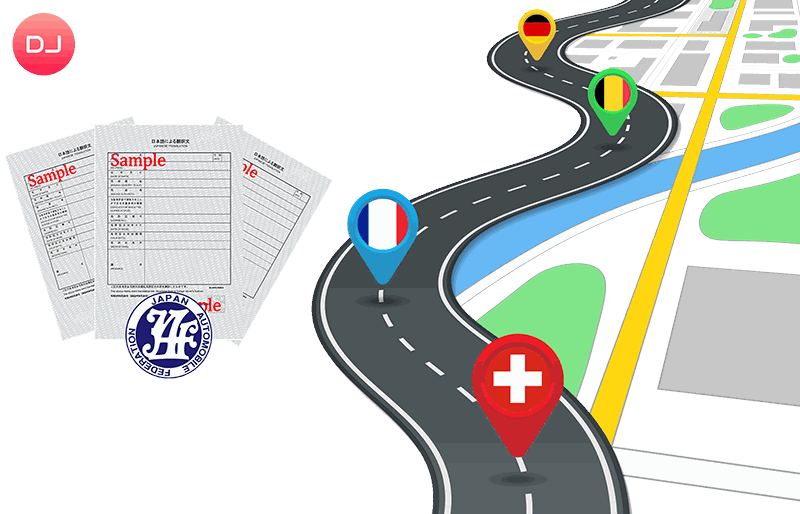
Six pays, une obligation

Si votre permis a été délivré dans l'un de ces pays, la traduction officielle JAF est obligatoire pour louer un véhicule ou conduire au Japon. Le permis international ne la remplace pas.

Carte des pays dont le permis nécessite une traduction JAF pour conduire au Japon

Permis concernés

  • France
  • Belgique
  • Suisse
  • Allemagne
  • Monaco
  • Taïwan

Votre permis d'origine reste indispensable : la traduction se présente toujours avec lui, jamais seule.

Commander ma traduction

Tarifs

Deux services, un seul objectif : partir tranquille

Les prix sont indiqués toutes taxes comprises. Une question avant de commander ? Le chat en bas à droite est relié à notre équipe, au Japon.

Paiement sécurisé · Traduction délivrée par la Japan Automobile Federation · Livraison au Japon ou impression en konbini

Avant de prendre le volant

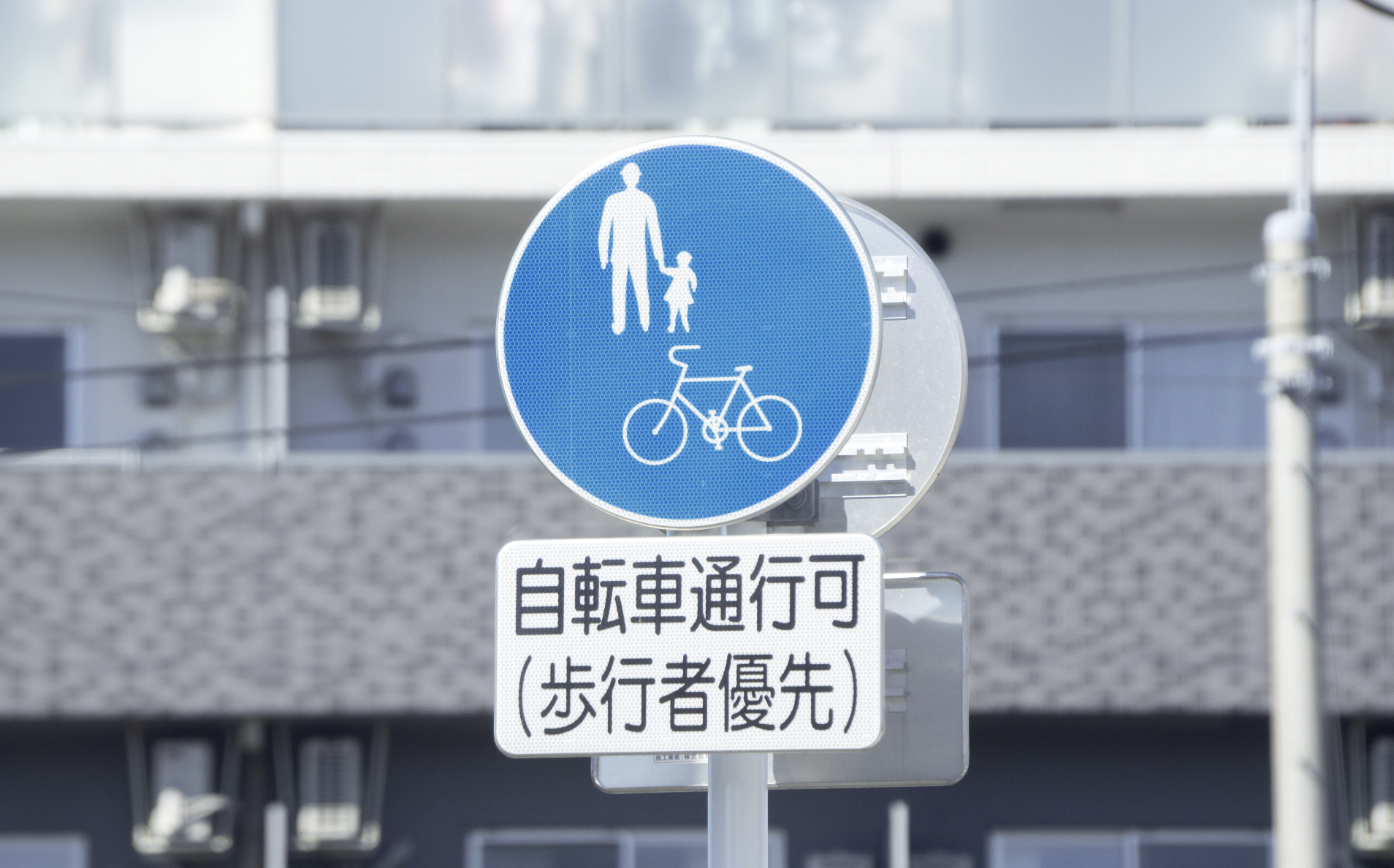
Les panneaux de signalisation au Japon

Voir le guide complet →

Le blog

Voyage au Japon, eSIM et traduction de permis

Tous les articles →

Questions fréquentes

Tout ce qu'on nous demande avant de commander

La traduction officielle JAF, la commande en ligne, les délais, l'impression en konbini et la protection de vos données. Une question qui n'est pas ici ? Le chat en bas à droite est relié à notre équipe.

Général

Puis-je conduire avec mon permis international au Japon ?

Si votre permis a été délivré en Suisse, Belgique, France, Monaco ou à Taïwan, une traduction officielle JAF (Japan Automobile Federation) est indispensable pour conduire légalement au Japon. La demande peut se faire auprès de la JAF sur place, mais leur service n'est pas accessible depuis l'étranger. DrivinJapan vous permet de l'obtenir à l'avance, avant votre arrivée. Depuis 2017, plus de {{ site.clients.fr }} voyageurs sont passés par nous.

Comment fonctionne la procédure avec DrivinJapan ?

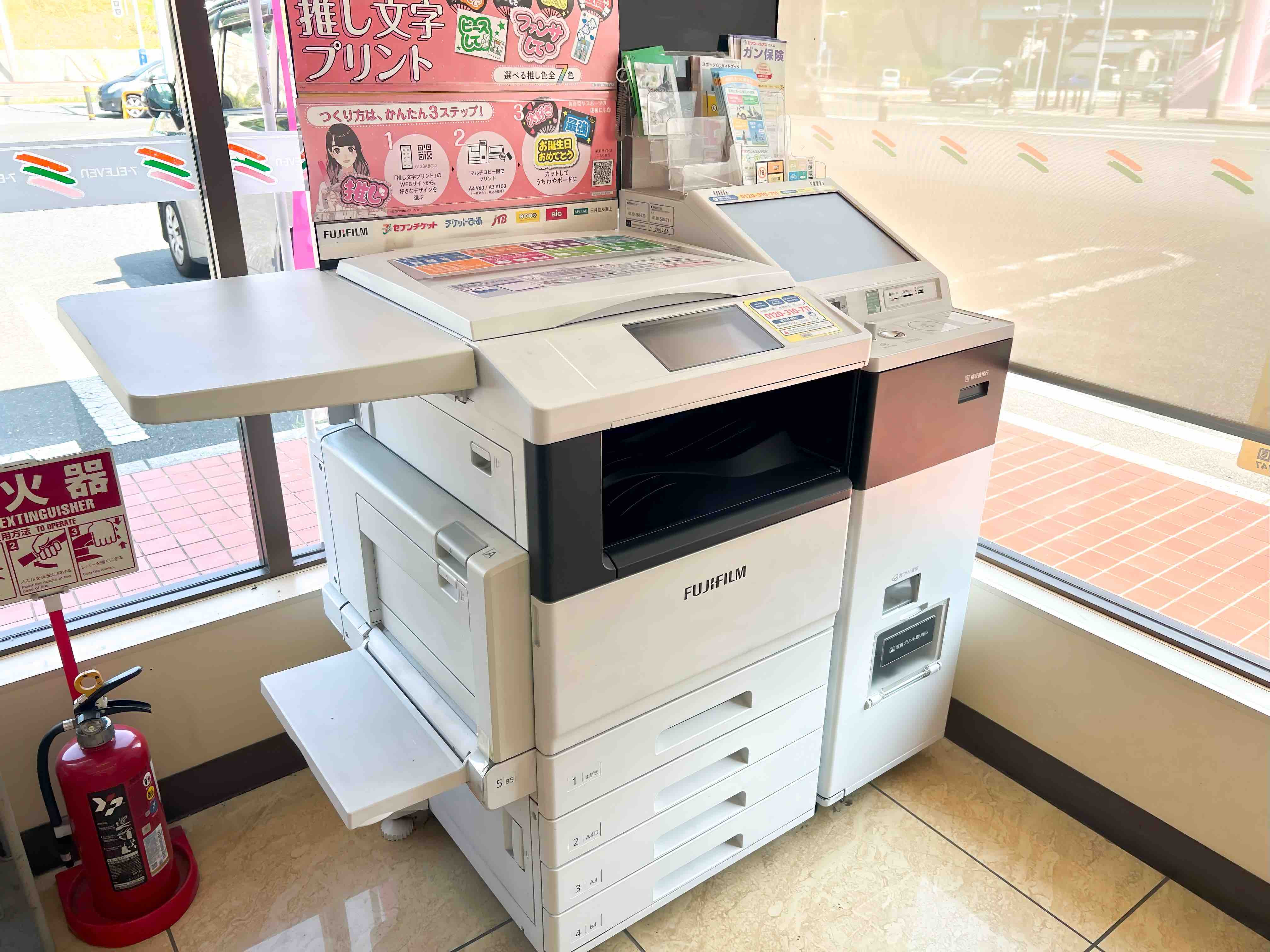
Vous téléversez le recto et le verso de votre permis. Notre assistant remplit le formulaire, puis transmet votre demande à la JAF. Vous recevez ensuite un code d'impression et les instructions par e-mail. Une fois au Japon, vous imprimez votre traduction dans n'importe quel 7-Eleven, FamilyMart ou Lawson. Une option EXPRESS permet d'obtenir la traduction en 1 à 2 jours ouvrés.

Qui accepte cette traduction au Japon ?

Il s'agit de la traduction officielle de la JAF. Elle est acceptée par toutes les agences de location du pays, par les forces de l'ordre et par les compagnies d'assurance.

Combien de temps la traduction est-elle valable ?

Elle reste valable tant que votre permis d'origine l'est. Si votre permis expire ou si vous le renouvelez, une nouvelle traduction est nécessaire.

La traduction seule suffit-elle pour conduire ?

Non. Vous devez toujours présenter votre permis original et la traduction ensemble. Votre passeport est également exigé pour louer un véhicule. Le permis international n'est pas accepté par les agences de location.

Puis-je conduire dès mon arrivée au Japon ?

Oui. Vous pouvez imprimer votre traduction dès l'aéroport, à Tokyo comme à Osaka. Dès l'impression faite et votre permis original en poche, vous êtes en règle. Aucun délai d'attente ni démarche supplémentaire.

Commande et documents

Quels types de permis acceptez-vous ?

Les permis français, belges, suisses, allemands, monégasques et taïwanais en cours de validité. Le permis doit avoir été obtenu depuis plus de trois mois et être lisible.

Puis-je commander pour plusieurs personnes ?

Oui, jusqu'à cinq traductions par commande. Chaque personne fournit le recto et le verso de son permis. Au-delà de cinq, contactez-nous directement.

Quelle qualité de scan est requise ?

300 DPI au minimum. Le document doit être net, sans reflet, avec toutes les informations visibles. Une photo prise avec un smartphone récent convient si elle est bien cadrée et nette.

Que faire si mon permis est abîmé ou ancien ?

Contactez-nous avant de commander. Nous évaluons si la traduction reste possible. Dans certains cas, un permis de remplacement sera nécessaire au préalable.

Délais et livraison

Quels sont les délais de traduction ?

{{ site.delais.traitement.fr }} en moyenne, hors week-ends et jours fériés. Les commandes reçues avant midi sont souvent traitées le jour même. Pour une urgence, écrivez-nous directement.

Comment suivre ma commande ?

Connectez-vous sur www.drivinjapan.com/login avec votre e-mail et votre référence de commande.

Comment fonctionne le retrait en konbini ?

Une fois la traduction validée, nous l'envoyons vers le réseau d'impression. Vous recevez un code de retrait par e-mail, à présenter dans n'importe quel 7-Eleven du Japon — plus de 21 000 magasins.

Combien de temps le code d'impression est-il valide ?

Sept jours. La date d'expiration est indiquée dans l'e-mail qui vous est envoyé.

Puis-je imprimer ailleurs que dans un 7-Eleven ?

Oui, les bornes FamilyMart et Lawson fonctionnent également.

Puis-je imprimer chez moi ou hors du Japon ?

Non. L'impression doit impérativement se faire dans un konbini au Japon : 7-Eleven, FamilyMart ou Lawson.

Et si je n'ai pas imprimé avant l'expiration du code ?

Contactez-nous immédiatement par e-mail ou WhatsApp. Nous pouvons émettre un nouveau code dans les 30 jours suivant l'envoi du premier.

Puis-je modifier ma commande après paiement ?

Oui, tant que la traduction n'a pas commencé — en pratique dans les deux heures suivant la commande. Écrivez-nous sans attendre par WhatsApp ou e-mail.

Problèmes et solutions

Que faire en cas d'erreur dans la traduction ?

Toute erreur de notre fait est reprise gratuitement. Signalez-la dans les sept jours suivant la réception : nous fournissons une version corrigée sous un à deux jours ouvrés.

Combien de fois puis-je imprimer la traduction ?

Le code d'impression n'est utilisable qu'une seule fois. En cas de perte du document, une nouvelle commande est nécessaire.

Et si l'agence de location refuse ma traduction ?

C'est très rare, puisqu'il s'agit du document officiel de la JAF. Si cela arrive, contactez-nous immédiatement : nous intervenons auprès de l'agence, et nous remboursons intégralement si le refus était justifié.

Mon permis expire pendant mon séjour, que faire ?

La traduction devient invalide en même temps que votre permis. Vous devez cesser de conduire dès l'expiration. Anticipez le renouvellement avant le départ.

Puis-je obtenir un remboursement ?

Le remboursement n'est plus possible une fois votre permis transmis à la JAF. Aucun remboursement n'est effectué en cas d'annulation de voyage, quel qu'en soit le motif.

Technique et sécurité

Mes données personnelles sont-elles sécurisées ?

Oui. Chiffrement SSL, serveurs situés en Europe, suppression automatique de vos documents au bout de 90 jours. Vos informations ne sont jamais transmises à des tiers non autorisés.

Quels moyens de paiement acceptez-vous ?

Toutes les cartes bancaires — Visa, Mastercard, American Express — via Stripe, avec l'authentification 3D Secure de votre banque.

Puis-je payer en plusieurs fois ?

Le paiement fractionné n'est pas proposé pour ce service compte tenu du montant. Votre banque peut en revanche proposer un débit différé selon votre contrat.

Comment contacter le support client ?

Par WhatsApp ou par e-mail à support@drivinjapan.com, sept jours sur sept. Nous répondons généralement sous deux heures en journée et sous 24 heures le week-end.

Espace client

Vous avez déjà commandé ?

Suivez l'avancement de votre traduction en ligne, à tout moment, depuis votre espace personnel.

  1. 01

    Connectez-vous

    Avec l'e-mail et la référence de commande reçus après votre paiement.

  2. 02

    Suivez chaque étape

    Dossier reçu, transmis à la JAF, traduction émise, code d'impression envoyé.

Accéder à mon suivi

Identifiants non reçus ?

Offert avec chaque traduction

La DJ E-Card

Une carte de réductions chez nos partenaires au Japon, envoyée automatiquement après votre commande de traduction. Vous n'avez rien à demander.

La DJ E-Card DrivinJapan et ses offres partenaires Gratuit

Comment ça marche

Une fois votre commande passée, vous recevez la DJ E-Card par e-mail avec votre code personnel. Il suffit de le présenter chez nos partenaires pour profiter de leurs offres réservées.

Les conditions

La carte est gratuite pour toute commande de traduction, sans montant minimum. Le code est valable un an chez l'ensemble des partenaires participants.

  • Prix0 €
  • Validité1 an
  • EnvoiPar e-mail

Avis clients

Ce qu'en disent les conducteurs

Tous nos avis sont publiés sur Trustpilot, où nous n'avons ni le pouvoir de les modifier ni celui de les supprimer.

  • Avis vérifiés Trustpilot
  • Paiement sécurisé Stripe
  • Depuis 2017 au Japon
  • Le service de traduction a été facile et rapide. Mais surtout le service après-vente a été impeccable. Après plusieurs semaines sans changement de statut de ma commande, j’ai contacté Drivinjapan par mail qui ont répondu immédiatement. Ma commande avait été retournée au Japon suite à l’échec de Chronopost en France. Drivinjapan a organisé rapidement et sans frais supplémentaire un deuxième envoi que nous avons suivi. Heureusement car Chronopost a de nouveau livré mon enveloppe à une autre adresse!

    Cathy K. 5 Juin 2026
  • Veryfast and trustful help I didn't know that I need a japanese translation of my driver license. DrivinJapan helped me very fast with a good communication. Thank you very much!

    Daniel S. 26 Juillet 2026
  • Service client efficace. Le support de Drivin Japan est vraiment efficace et rigoureux. À mon arrivée au Japon, l'équipe a trouvé une solution au problème de livraison que j'avais rencontré en France. En effet, je n'avais pas reçu la traduction de mon permis de conduire en raison d'un problème avec le service de livraison. Le support a alors fait parvenir ma traduction au bureau de poste de Shinjuku. J'ai ainsi pu récupérer très facilement la traduction japonaise de mon permis. Un grand merci à toute l'équipe de Drivin Japan pour ses efforts, son professionnalisme et son efficacité.

    Mehdi M. 4 Juillet 2026
  • Facile, rapide et efficace. Le meilleur moyen d’obtenir sa traduction de permis sans se prendre la tête

    Fannie O. 18 Juin 2026
  • Service sérieux. Service sérieux, contact via whatsapp rapide et efficace. Impression du document facile une fois sur place. Difficile de ne pas trouver un 7 eleven. Même en ne cherchant pas, vous en croisez forcément un.

    Jay B. 18 Octobre 2026
  • Parfait. Réactifs, clairs, pratique, je recommande vivement

    Jean-Christophe B. 12 Juin 2026
  • Fantastic service! Fantastic service!! I didn’t realise I needed the translation and needed it urgently for my car hire plans. The customer support is extremely responsive and helpful and I got my translation in <1 working day!

    Georgia S. 3 Juin 2026
  • perfect and quick. no problems, easy submission etc. We got the translation quickly and the customer service was always helpful, answering all our questions

    Jessica K. 12 Mai 2026
  • Excellent ! Deuxième fois avec cet organisme Réponse hyper rapide, accompagnement et un résultat excellent car le permis de conduire a été délivré comme promis sans aucun souci Je recommande à tous les amis.

    Marie B. 8 Avril 2026
  • Equipe très reactive. Equipe très reactive. J'avais un doute sur la procedure, j'ai eu une réponse à mon mail dans les 12h. Compte tenu du decalage horaire, rien à dire, ils sont très pro. Je recommande.

    Frederic S. 2 Avril 2026
  • EIn ewiger Dankbarkeit. I tried to get a driver’s license translation after my arrival in Japan.. it was impossible to get it through the JAF system! DrivinJapan literally saved my trip by providing the paper immediately. Thanks again to the friendly professionals who took care of my problem at the helpdesk. Laurent CH/VD

    Jean-Laurent H. 3 Mars 2026
  • I needed my license translated ASAP, and the service I received was impeccable. The support team was fast and responsive, and we got our license translated in less than three hours.

    Matteo F. 24 Février 2026
  • Ils ont été super accessible. Mes codes ne fonctionnaient pas mais ils ont été super réactif. Je recommencerai avec eux !

    Veherani G. 5 Février 2026
  • Der Kundenservice ist wirklich exzellent. Ich habe innerhalb einer Woche die Übersetzung meines Führerscheins nach Deutschland geschickt bekommen. Die Mitarbeiter in Japan reagierten sofort auf Fragen, das ist in Deutschland-leider- nicht immer der Fall. Unbedingt empfehlenswert

    Dagmar P. 4 Février 2026
  • Impeccable. Un contact facile, efficace et très sympathique. Des délais parfaitement respectés. Des gens prêts à répondre à vos questions même après le séjour. Franchement, une superbe expérience. Je recommande à tous ceux qui veulent faire traduire leur permis pour le Japon.

    Veronique B. 22 Janvier 2026
Lire tous les avis sur Trustpilot

Notre réseau

Les organisations avec qui nous travaillons

Découvrir chaque partenaire →

Location de véhicules, connectivité, médias, institutions : nous sélectionnons des prestataires que nos clients utilisent réellement pendant leur séjour.

Nos interlocuteurs quotidiens

La Japan Automobile Federation délivre les traductions officielles, Japan Post les achemine. Connaître leurs procédures est ce qui nous permet de tenir nos délais. Nous ne sommes affiliés officiellement à aucune des deux.

Japan Automobile Federation Japan Post

Certains liens de cette page sont des liens d'affiliation : si vous réservez par leur intermédiaire, DrivinJapan peut percevoir une commission, sans surcoût pour vous.

Paiement

Commandez et payez en toute sécurité

La transaction est traitée par des processeurs de paiement reconnus. Vos coordonnées bancaires ne transitent jamais par nos serveurs et ne sont jamais conservées par DrivinJapan.

Moyens de paiement acceptés

  • Visa
  • Mastercard
  • American Express
  • PayPal
  • Apple Pay
  • Samsung Pay
  • Google Pay
  • Connexion chiffrée de bout en bout
  • Authentification 3D Secure de votre banque
  • Aucune donnée bancaire stockée chez nous

La démarche

Quatre étapes, entièrement en ligne

De l'estimation au volant, sans guichet ni courrier à envoyer depuis l'étranger.

  1. 01

    Calculez votre tarif

    Le formulaire en ligne vous donne une estimation immédiate, sans engagement.

  2. 02

    Envoyez votre permis

    Une photo du recto et du verso suffit. Notre assistant remplit le formulaire JAF à votre place.

  3. 03

    Payez en ligne

    Transaction sécurisée, aucun déplacement, aucun guichet à affronter en japonais.

  4. 04

    Conduisez au Japon

    Vous récupérez votre traduction et prenez la route en toute légalité dès votre arrivée.

Destinations

Les villes emblématiques du Japon

Les 47 préfectures →

47 préfectures

Explorer le Japon, région par région

Voir la carte interactive →

Chaque page réunit les routes à emprunter, les particularités locales de conduite et ce qu'il y a à voir une fois sur place.