Discover the 7 most common mistakes tourists make on Japanese trains. Etiquette, silence, luggage, phones, priority seats and practical tips.
Japanese trains are world-famous for their punctuality, cleanliness and efficiency. From Tokyo's packed metro to the sleek Shinkansen, Japan's rail network is often one of the things foreign travellers love most.
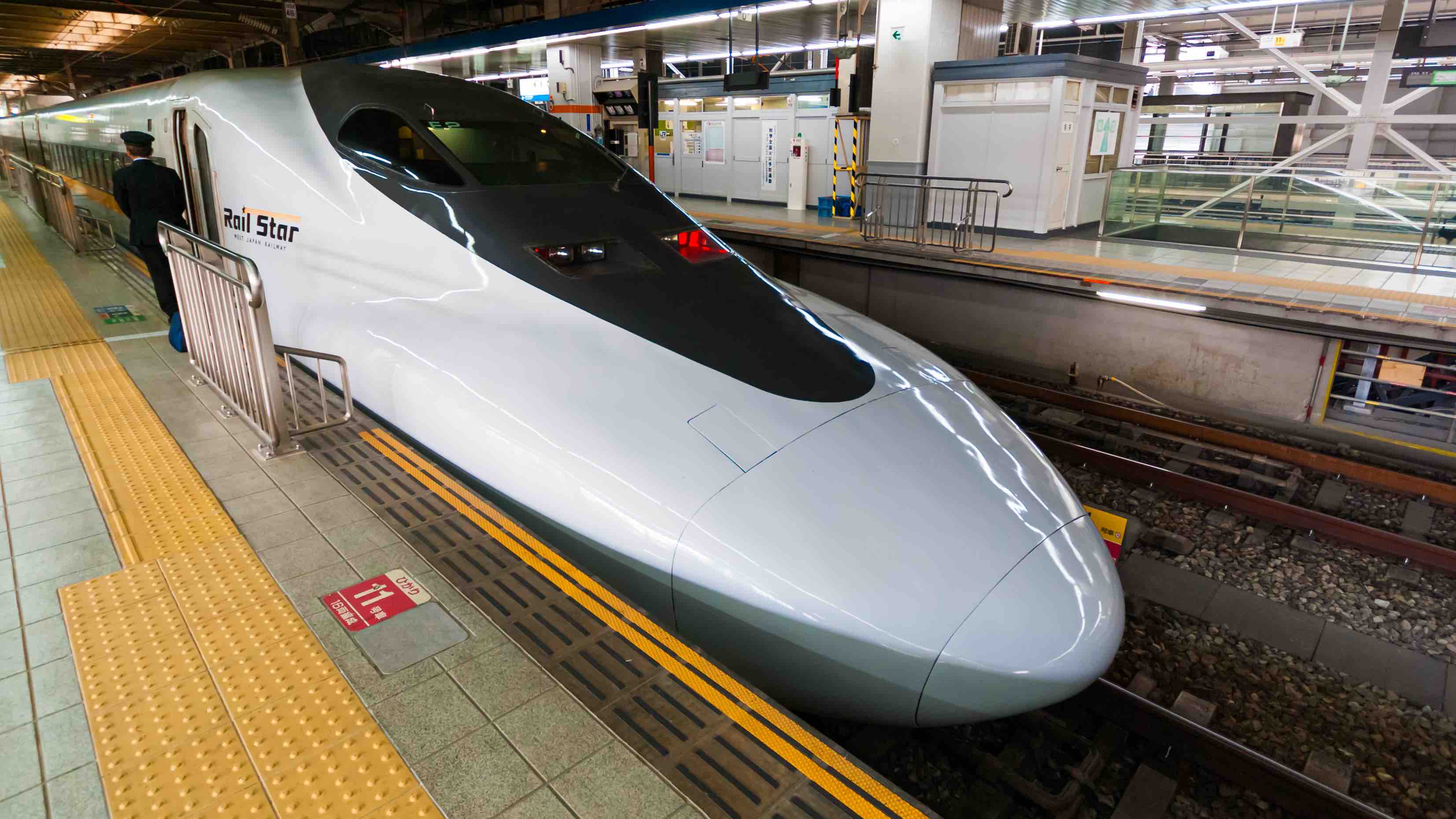
But there is another aspect not to overlook: trains in Japan are also governed by a whole set of unwritten rules and cultural codes. A traveller who is unaware of them may unintentionally disturb other passengers or end up in awkward situations.
This article presents the seven most common mistakes tourists make on Japanese trains – and above all how to avoid them. Once you understand these few simple principles, you can travel with peace of mind, enjoy more pleasant journeys and blend in naturally with Japanese commuters' daily routine.
Mistake no. 1: talking too loudly
On Japanese trains and metros, silence is highly valued. For many commuters, the train is a quiet moment between home and work, a time to rest, read or simply unwind. Foreign travellers, carried away by the excitement of their trip, sometimes talk loudly without realising it – which can be seen as very disruptive.
Phone calls are particularly frowned upon. Except in a genuine emergency, people are expected to avoid making calls in the carriage. Most Japanese passengers speak in very hushed voices, or spend the journey in silence, absorbed in their smartphone or a book.
How to avoid this mistake:
- Speak softly and keep conversations discreet.
- To make a call, step off onto the platform or leave the station.
- Think of the train as a “quiet space” you share with others.
With these few habits, you will quickly be seen as a polite, respectful traveller.
Mistake no. 2: blocking the doors
At rush hour, Japanese trains can be far more crowded than tourists are used to. A common mistake is to stand right by the doors for the whole journey. Even if it seems convenient for getting off quickly, it seriously gets in the way of other passengers getting on and off.
In Japan, keeping people moving smoothly matters a great deal. Blocking the doors does not just cause discomfort: it can be a source of stress for the people around you.
How to avoid this mistake:
- Once on board, move as far into the carriage as possible.
- When it is very busy, avoid pressing up against the doors and use the central areas or the space along the sides instead.
- As your stop approaches, gradually make your way towards the door without pushing past others.
This small adjustment will make your journeys smoother and show other passengers that you care about their comfort.
Mistake no. 3: not queuing properly
On platforms in Japan, it is customary to queue while waiting for the train. Arrows and floor markings show where to stand so that boarding and alighting run in an orderly way.
Some tourists think it does not matter to “jump the queue just this once”. In Japan, cutting in line is very badly perceived and regarded as a lack of respect. In a culture where order and fairness are highly valued, this kind of behaviour is very upsetting, even if it may seem trivial to a visitor.
How to avoid this mistake:
- Always line up along the floor markings and respect the queue.
- Always let passengers get off before you get on.
- If you are travelling in a group, wait together at the back of the queue rather than slipping in halfway along.
By following these simple rules, you will blend naturally into the orderly “choreography” of Japanese platforms.
Mistake no. 4: eating and drinking on the wrong trains
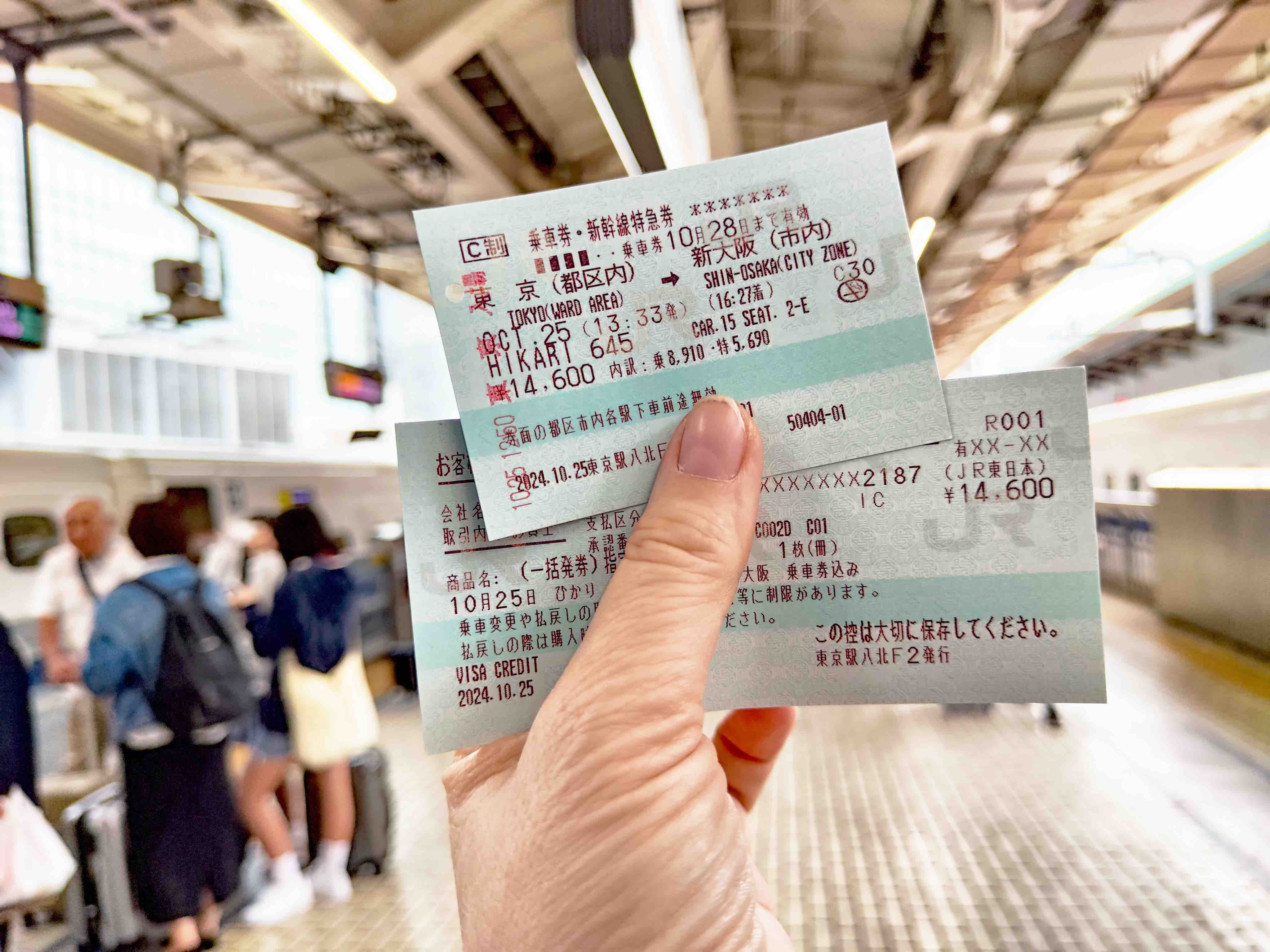
Not all trains in Japan have the same rules when it comes to food. One of the most common mistakes tourists make is eating everywhere, without distinguishing between types of line.
On the Shinkansen and some long-distance trains, eating an ekiben (station bento) is even part of the joy of the journey. On metros and commuter trains, however, eating or drinking is considered rude. Strong-smelling food in particular can make the atmosphere very unpleasant in a crowded carriage.
How to avoid this mistake:
- Save your meals for the Shinkansen or long-distance trains, where eating is accepted.
- Avoid eating and drinking on metros and everyday local trains.
- If you get hungry between journeys, use the station benches or rest areas to sit down and eat.
Following these rules helps keep the environment pleasant for you and for all passengers.
Mistake no. 5: misusing priority seats
On Japanese trains and buses, some seats are reserved as a priority for elderly people, pregnant women, people with disabilities or injured passengers. Tourists sometimes sit in them simply because they are free, then fail to get up when someone with priority boards. This is seen as a fairly serious breach of etiquette.
The unwritten rule is simple: if someone who needs the seat arrives, you get up immediately. Pretending not to notice is very badly regarded and may earn you some particularly disapproving looks.
How to avoid this mistake:
- Whenever possible, choose a “regular” seat rather than a priority seat.
- If you do sit in the priority area, be ready to get up immediately when someone who needs it arrives.
- A simple smile or nod as you give up your seat is enough to show your respect.
This small, considerate gesture perfectly reflects the Japanese culture of thoughtfulness towards others and leaves a very good impression.
Mistake no. 6: handling your luggage badly
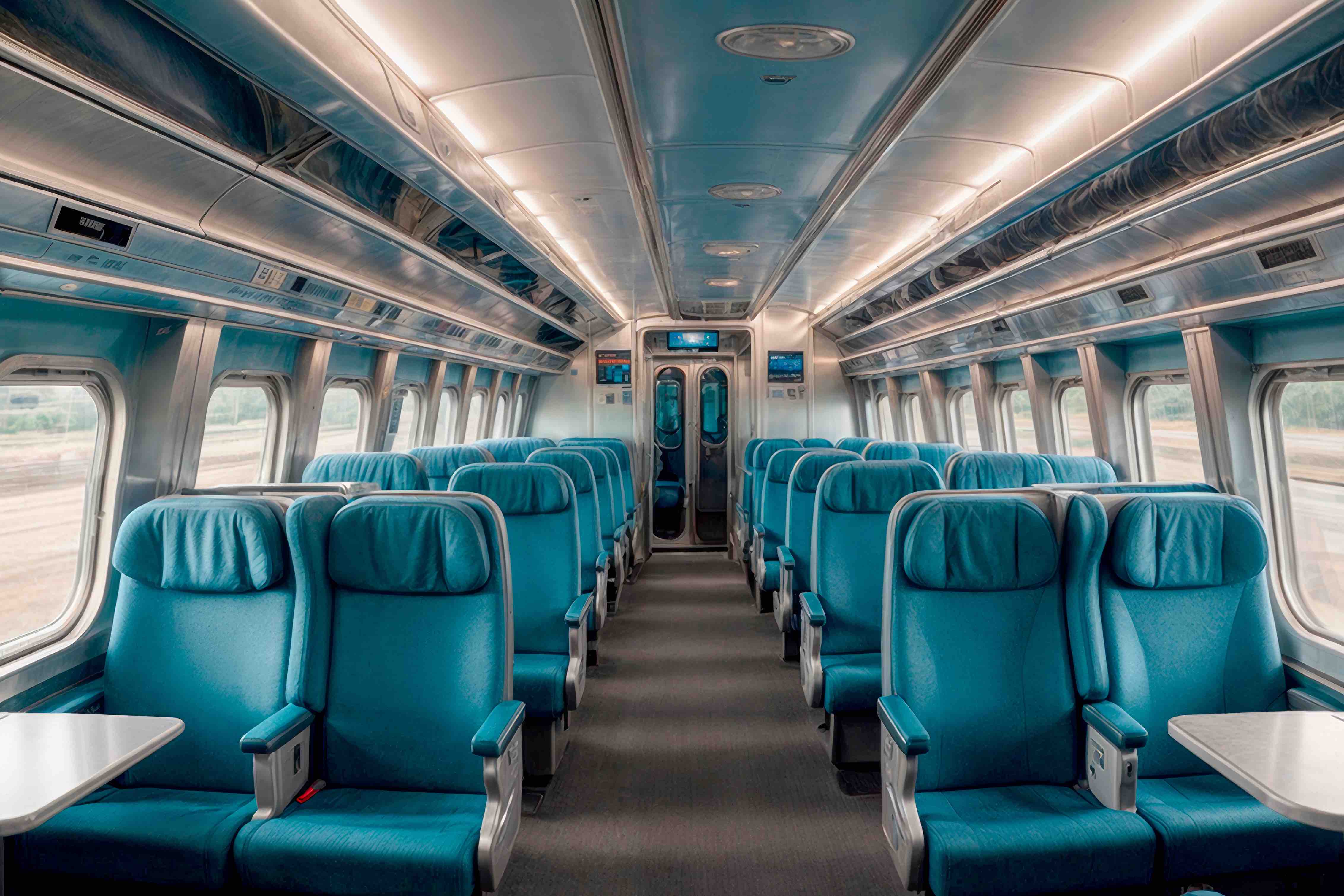
Many visitors travel with large suitcases. The problem is not their size, but how they are placed on the train. A common mistake is to leave your luggage in the aisle or near the doors. This gets in the way of people boarding and alighting, and can even be a safety issue in a full carriage.
Fortunately, Japanese trains are designed with practical solutions built in. The luggage racks above the seats are suitable for backpacks and small suitcases, while the space at your feet is often ideal for medium-sized bags. On the Shinkansen and some express trains, dedicated spaces for large suitcases are usually provided.
How to avoid this mistake:
- Never leave your luggage in the doorways or in the middle of the aisles.
- Use the luggage racks or keep your suitcase in front of your feet without blocking the way.
- On the Shinkansen, if possible book a seat with a dedicated luggage space for greater peace of mind.
With a little organisation, your journeys will be more comfortable and much smoother for everyone.
Mistake no. 7: using your phone inappropriately
As silence is highly valued on Japanese trains, making a phone call in the carriage is generally frowned upon, or even explicitly forbidden. Unless it is an emergency, answering your phone will be seen as a lack of respect.
The same goes for media. Watching videos or listening to music at too high a volume – or with headphones that leak sound – can easily disturb other passengers. In a quiet carriage, the slightest stray noise becomes very noticeable.
How to avoid this mistake:
- Do not make calls on the train; step out onto the platform or outside the station if necessary.
- Keep your headphone volume fairly low and check that no sound is leaking.
- Opt for silent mode or subtitles for your videos rather than sound.
A little discretion is all it takes to make the journey more pleasant for everyone and to stand out as a respectful traveller.
FAQ – Frequently asked questions about Japanese trains
Q1. Is it safe to sleep on the train?
Yes. Japan is renowned for its safety, and it is very common to see passengers taking a nap on trains. However, it is best to keep an eye on your belongings: keep your bag on your lap and securely closed to avoid any risk of opportunistic theft.
Q2. Are there announcements in foreign languages?
In big cities and on board the Shinkansen, announcements and displays are generally available in English. In rural areas, everything may be in Japanese only. In that case, apps such as Google Maps or Japan Transit Planner are very useful for following your journey.
Q3. Where can I buy an IC card?
IC cards (Suica, Pasmo, ICOCA, etc.) can easily be bought from ticket machines in stations or in some konbini (convenience stores). You can also top them up at the same places. They make getting around town enormously simpler and save you from buying a ticket for every journey.
Conclusion: travel like a local on Japanese trains
Japan's rail system is famous for its punctuality, cleanliness and efficiency. But what makes it truly unique is the etiquette shared by its users and their constant concern not to inconvenience others. By adopting a few simple rules, you will make your journeys more comfortable for yourself while respecting the local culture.
In short: respect = comfort for you, comfort for everyone. That is the secret to making the most of your train travel in Japan.
To make your stay even smoother, good preparation is essential:
- Driving licence translation → to rent a car easily whenever you need one.
- Japan eSIM → for constant access to maps, timetables and routes so you never get lost.
- ICOCA IC cards, transport packs → to combine trains, buses and a rental car with complete flexibility.
Travel smarter with DrivinJapan: respect local customs, enjoy the comfort of Japanese trains and discover even more of the country with a light heart.