If you are planning your first trip to Japan, let me share with you what I wish I had known before I left. Fifteen tips drawn from my own experience, from little surprises and moments of wonder to very practical tricks for a smooth, relaxed stay.
I still remember the first time I set foot in Japan. I had visions of cherry blossoms, the neon lights of Shinjuku, the temples of Kyoto, onsens hidden away in the mountains… but also a slight sense of apprehension. Japan has a reputation as a country with strict codes, almost intimidating for a first trip. In reality, I discovered a country far gentler, more welcoming and more patient than I had imagined.
If you are planning your first trip to Japan, let me share what I wish I had known before I left. Fifteen simple tips, drawn from my own experience, to help you travel with peace of mind, avoid a few little surprises and make the most of this fascinating country.
1. Book your accommodation in advance (and stick to the check-in time)
Japan offers a wide variety of accommodation: modern hotels, futuristic capsules, traditional ryokan, small guesthouses… But the best places are often booked up weeks or even months in advance, especially during peak periods such as cherry blossom season, Golden Week, August and New Year.
One thing often surprises travellers: some ryokan and small inns have fixed check-in times. Outside these slots, staff may not be there and the rooms simply aren't ready. Let's be frank: turning up two hours late without warning is not a good idea. Be sure to state your arrival time precisely and let them know if you are running late.
2. Travel light: a real comfort in Japanese cities
One of the things I learnt very quickly is that dragging a big suitcase around the Tokyo metro or the backstreets of Kyoto is anything but practical. Hotel rooms, especially in the cities, are often compact. Stations can be labyrinthine, with lots of stairs, and pavements are not always designed for XXL luggage.
Travelling light in Japan is not just about comfort: it is almost a way of embracing the rhythm of the country. If you do need to bring quite a lot of things, consider luggage delivery services (takkyubin), which let you send your suitcase from one hotel to the next for a few thousand yen. It is a very reliable, typically Japanese service that you quickly come to love once you have tried it.

3. Stay connected everywhere: a SIM card or eSIM from the moment you arrive
Japan's address system is unusual: it is based on numbered blocks rather than clearly displayed street names. Even Japanese people sometimes get lost. Without GPS, finding a small guesthouse or a hidden café can quickly turn into a treasure hunt.
The simplest solution is to get an eSIM before you leave, with enough data to follow your routes, check train times, translate a few phrases and look at metro maps. You will save precious time and avoid a lot of stress. More and more services, such as bus or restaurant bookings, are also handled online, directly on your phone. You can order your eSIM from eSIM DrivinJapan

4. Choose shoes that are easy to take off
In Japan, you take your shoes off far more often than in Europe: at the entrance to temples, in some restaurants, in ryokan, and even in guesthouses or certain traditional spaces. The rule is simple: if you see a step, a mat or a row of shoes at the entrance, there is a good chance you need to take yours off.
Comfortable shoes that are easy to slip on and off are therefore a real plus. Think about your socks too: clean and hole-free is best. Some places provide slippers, but not always. Adopting this little habit is also a gentle way into everyday Japanese life.
5. Don't be afraid of Japanese toilets: they are incredibly comfortable
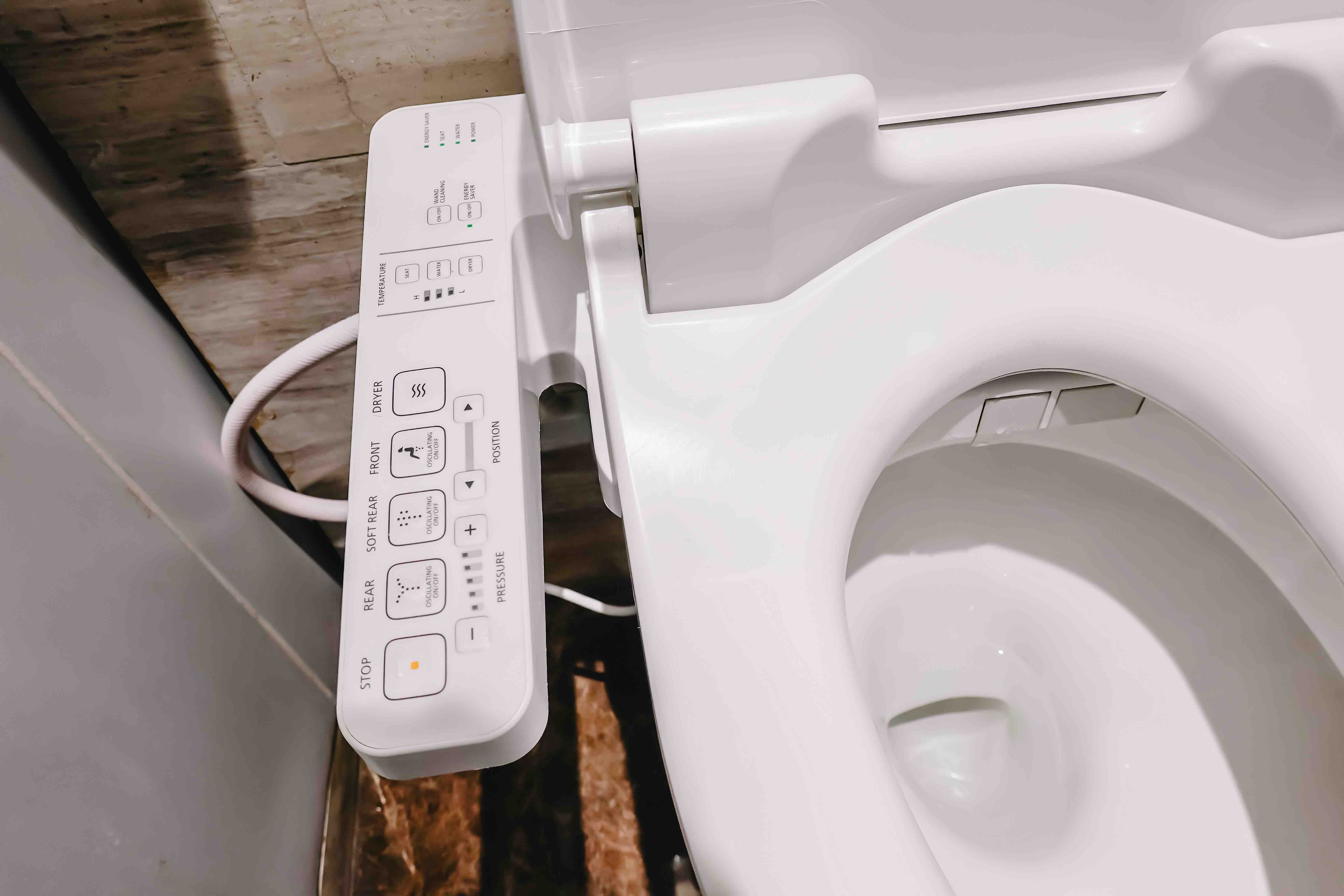
Japanese toilets are often impressive at first sight. With all the buttons, pictograms, water jets and drying functions, it feels like discovering a dashboard. Yet everything is extremely intuitive. The pictograms are clear and, after using them once or twice, you wonder how you ever managed without them.
Some places ask you to wear special slippers to go to the toilet when you have taken your shoes off at the entrance. Another useful little detail: many Japanese people carry a small personal cloth to dry their hands, as hand dryers are not always available. Bringing a small pocket towel can therefore be a good idea.
6. Be prepared for sometimes unpredictable weather
Japan stretches across many latitudes and has seasons that can be very distinct. Summer is often hot and humid, especially in the big cities. The rainy season, between late June and mid-July, can bring whole days of grey skies and rain. Autumn is milder, but typhoon season, in September and October, can disrupt transport.
In winter, the north of the country turns into a true snowy postcard, while the centre can stay cold but dry. The good news is that konbini sell almost everything you might need: umbrellas, sun protection, cooling wipes, hand warmers… The best thing is to find out about the exact region and time of your trip, then pack accordingly.
7. Know what to do in an earthquake
Japan is one of the most earthquake-prone countries in the world, but it is also one of the best prepared. It is not unusual to feel a slight tremor during a stay, especially if you are there for several weeks. In the vast majority of cases, these are minor tremors.
The golden rule is to stay calm. Move away from windows, avoid standing under objects that could fall, and get under a sturdy table if the shaking gets stronger. Modern buildings are designed to absorb the vibrations. If you are by the sea and a major earthquake occurs, follow the official instructions and head for higher ground if there is a risk of a tsunami.
Feel free to check the website of the Japan Meteorological Agency for more information
8. Always carry some cash
Even though card and mobile payments are becoming widespread, cash still plays a very important role in Japan, especially in the countryside and in small shops. Small stalls, some ryokan, family-run restaurants and temples sometimes accept cash only.
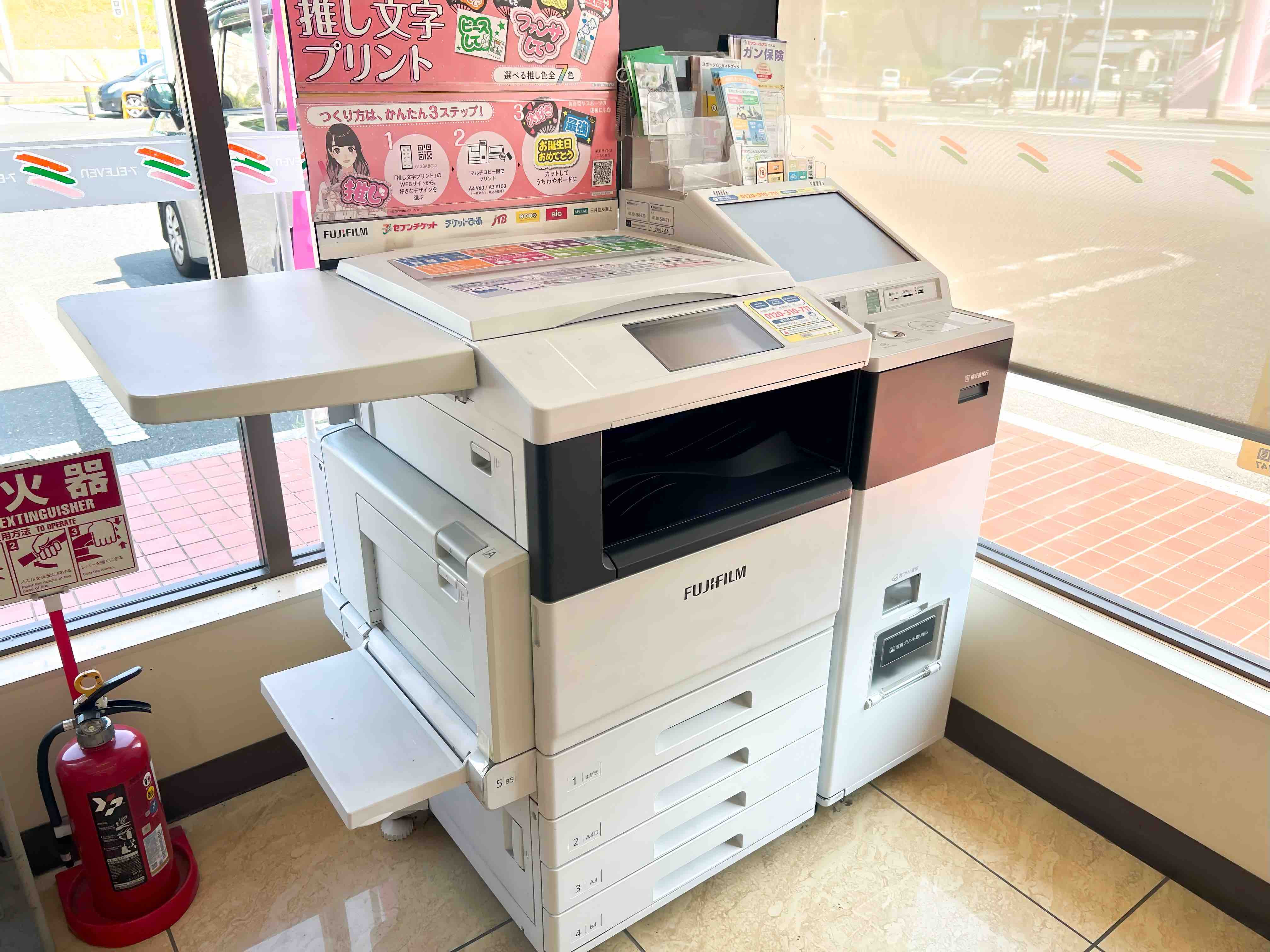
Fortunately, there are plenty of cash machines that accept foreign cards, particularly in 7-Eleven and FamilyMart. A little tip on local etiquette: instead of handing your notes or card directly to the cashier, place them in the small tray provided. It is a small detail, but it says a lot about how Japanese people structure everyday exchanges.
9. Understand that there is no tipping culture
Good news for your budget: in Japan, you don't tip at restaurants, bars or for most services. The price shown is the price you pay. Insisting on leaving a tip can even embarrass the person serving you, or simply be refused.
Some establishments, particularly more upmarket restaurants, simply add a service charge to the bill, which is clearly indicated. For private guided tours, a small gesture may be appreciated, but it is never an obligation or the norm.
10. Respect the Japanese art of queuing
One thing that strikes you when you arrive in Japan is how orderly the queues are. Whether it is to board a train, buy a bowl of ramen at lunchtime or get into a very popular café, Japanese people naturally form neat, quiet lines. Nobody pushes in, nobody gets annoyed, even when the wait is long.
Fitting in with this habit is very easy: look out for the markings on the ground, calmly take your place behind the others, and remember to let passengers off before getting on a train. This way of doing things contributes a great deal to the sense of smooth flow in the big cities.
11. Know where to stand on escalators: left or right?
On Japanese escalators, people always stand on one side to leave the other free for those in a hurry. But which side changes from region to region: in Tokyo and the east of the country, you stand on the left; in Osaka and the west, you stand on the right. It is an amusing detail, but one that really stands out when you travel from one region to another.
In some stations, operators now encourage passengers to stand still on both sides for safety reasons. But in practice, most Japanese people still follow the regional rule.
12. Don't miss the last train
The metro and most urban train lines do not run all night. In Tokyo, most last trains leave between midnight and 1 am. Missing the last train often means a long walk or a taxi, which can quickly get expensive.
If you are planning a night out in a lively area such as Shibuya or Shinjuku, always keep an eye on the time of your last train, or accept from the outset that you will be taking a taxi home. Japan is very safe, but that doesn't mean you want to end the night counting vending machines while waiting for the first train.
13. Experience (or avoid) the Tokyo metro in the morning
The Tokyo metro at rush hour is almost an attraction in itself. Between 7:30 and 9 am, the carriages fill up to a level that is hard to imagine if you come from Europe. Platform staff make sure the doors close and everyone organises themselves in silence in this precisely choreographed ballet.
If you are curious, experiencing it once gives you a better understanding of the locals' daily lives. But if you don't like tightly packed crowds, it is better to plan your journeys outside these hours, especially during the first days of your trip.
14. Eating in public: a few nuances to know
In Japan, eating while walking is generally frowned upon. It gives an impression of haste and a lack of consideration for public space. There are, however, several exceptions: festivals, streets dedicated to street food, picnics, matsuri stalls and long-distance trains such as the shinkansen, where enjoying a bento is perfectly acceptable.

Drinking water or tea from a flask or a bottle is not a problem. But for meals, the ideal is to sit down, even for a few minutes, in a park, on a bench or in a designated area. It is a small effort that shows you respect local customs.
15. Learn a few words of Japanese: a small effort that is greatly appreciated
In the big tourist cities, you will often find signs in English and people able to help you. But you only have to stray a little off the beaten track for English to become rarer. A few words of Japanese can completely change your interactions.
Expressions such as sumimasen (excuse me), arigatō gozaimasu (thank you very much), onegai shimasu (please) or toilé wa doko desu ka? (where are the toilets?) are very easy to remember and open many doors. More than perfect pronunciation, it is the intention that counts. Japanese people greatly appreciate it when a traveller makes the effort to speak their language, even just a few words.
Preparing your trip to Japan is mostly about adjusting your expectations
In the end, travelling in Japan doesn't require you to become an expert in Japanese etiquette, simply to be curious, attentive and respectful. Once you understand these few habits – taking your shoes off, queuing, not tipping, anticipating the weather, not missing the last train – you very quickly feel at ease in this country which, for all its modernity, remains deeply human.
Japan is a country that values gentleness, discretion and things running smoothly. With a minimum of preparation, you will be able to focus on what really matters: savouring the encounters, the landscapes, the meals, the hot baths, the silent trains and that unique feeling of being both far from home and surprisingly safe. If you were still hesitating to take the plunge, think of this guide as an invitation to experience your very own first time in Japan.