Find out how Japan celebrates Christmas and New Year: illuminations, traditions, hatsumōde, osechi and essential tips for enjoying the year-end holidays in Japan.
Travelling in Japan in winter
Spending the year-end holidays in Japan: lights, traditions and renewal
A romantic Christmas, magical illuminations, the first wishes of the year at a temple… December and January in Japan offer a unique atmosphere, halfway between bright modernity and ancestral traditions.
Here is how the Japanese experience this very special time of year, and why it is one of the best times to discover the country, whether as a couple, with family or on your own.
If you have ever pictured Japan during the year-end holidays, you might see illuminated streets, cafés serving cute Father Christmas-shaped desserts, and temples wrapped in an almost sacred silence as they welcome the new year. And you would be right… but that is only the surface. Spending December in Japan means experiencing a poetic blend of glittering modernity and ancestral traditions, a contrast the country has always mastered.
Today, I'd like to take you gently on this journey, to understand how the Japanese prepare for Christmas – a celebration that has nothing religious about it for most people – and how the arrival of the New Year transforms the whole country into a vast ritual of renewal. It is a unique time to discover Japan differently, in that slightly timeless atmosphere where everything seems to slow down, shine and breathe differently.
Christmas in Japan: a bright, romantic and indulgent celebration
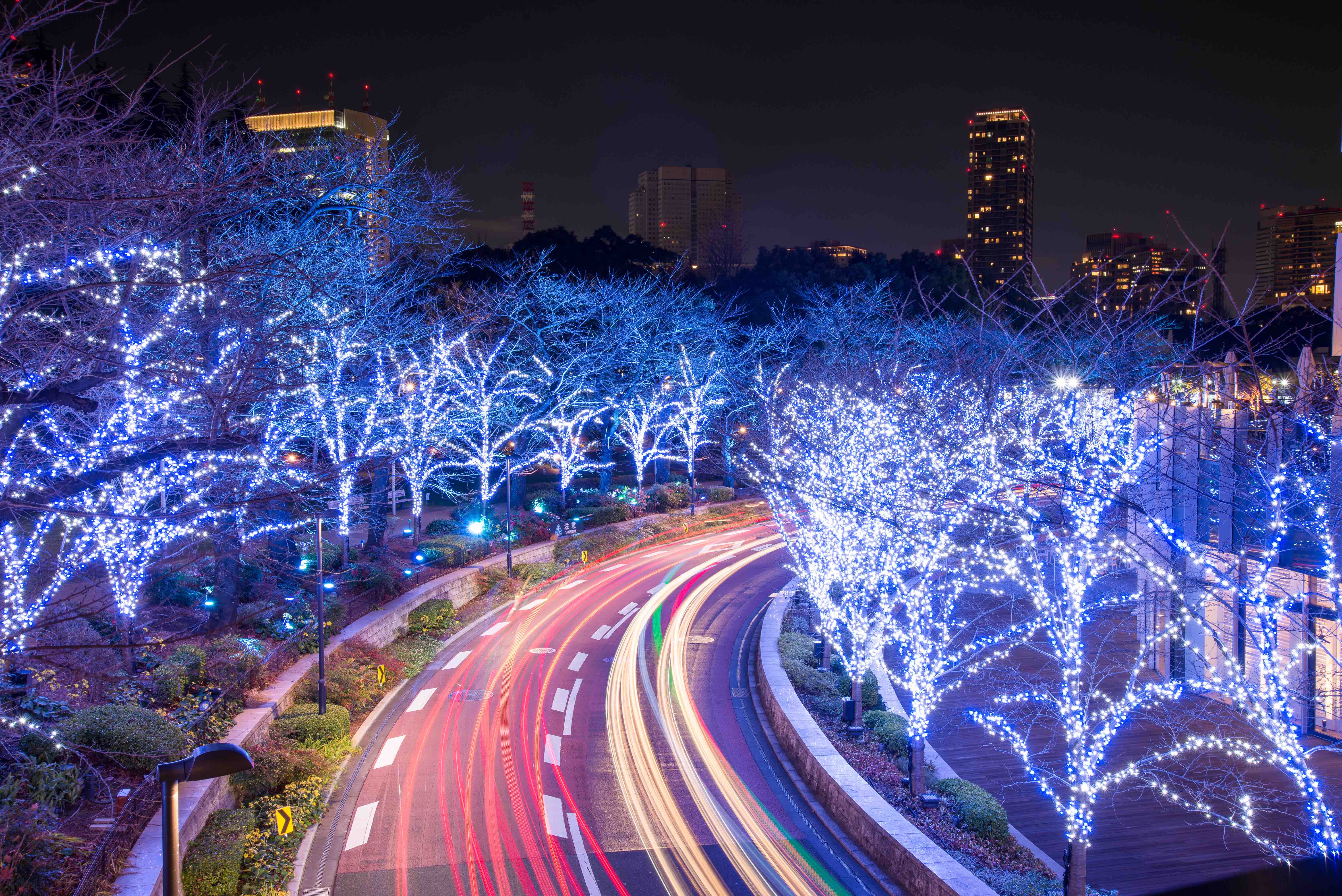
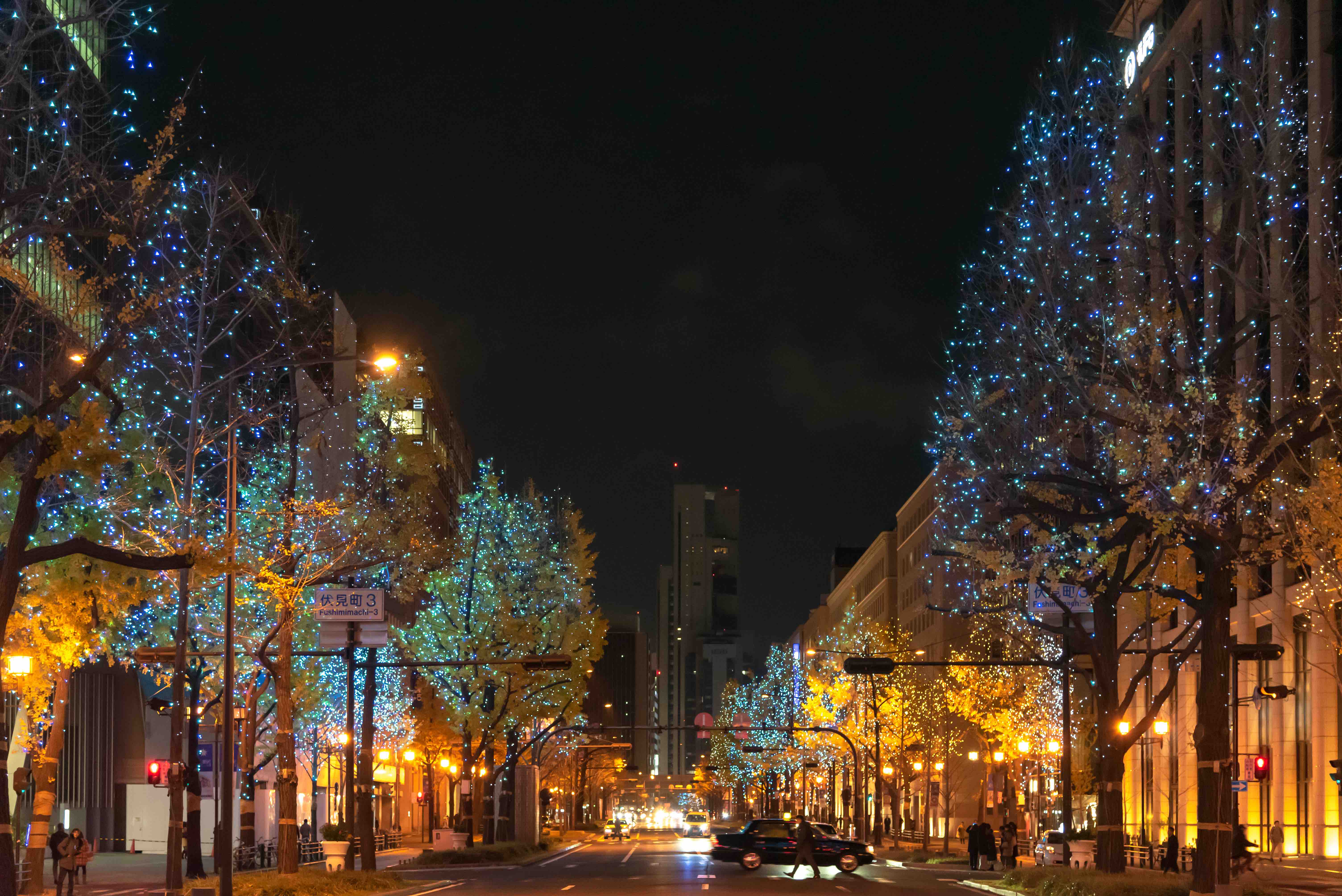
Japan does not celebrate Christmas the way Christian countries do. Here, it is not a family occasion, let alone a religious one. Rather, it is a gentle excuse to celebrate love, friendship and the beauty of winter lights. Every year, from the beginning of December, streets, parks, shopping centres and even the façades of buildings are adorned with millions of tiny twinkling LEDs. These are called winter illuminations, and if you have never seen Tokyo, Osaka or Kobe sparkle in the middle of winter, you have missed out on a kind of magic completely different from European charm.
Japanese Christmas, a celebration for lovers
In Europe, Christmas is a family celebration… in Japan, it is the other way round. 24 December is essentially a romantic evening. Couples book a restaurant, sometimes well in advance, to enjoy a rather special evening: a refined meal, an intimate atmosphere, a stroll hand in hand beneath the illuminations. Some hotels even offer "Christmas Packages" decorated with lights, petals and little gifts.
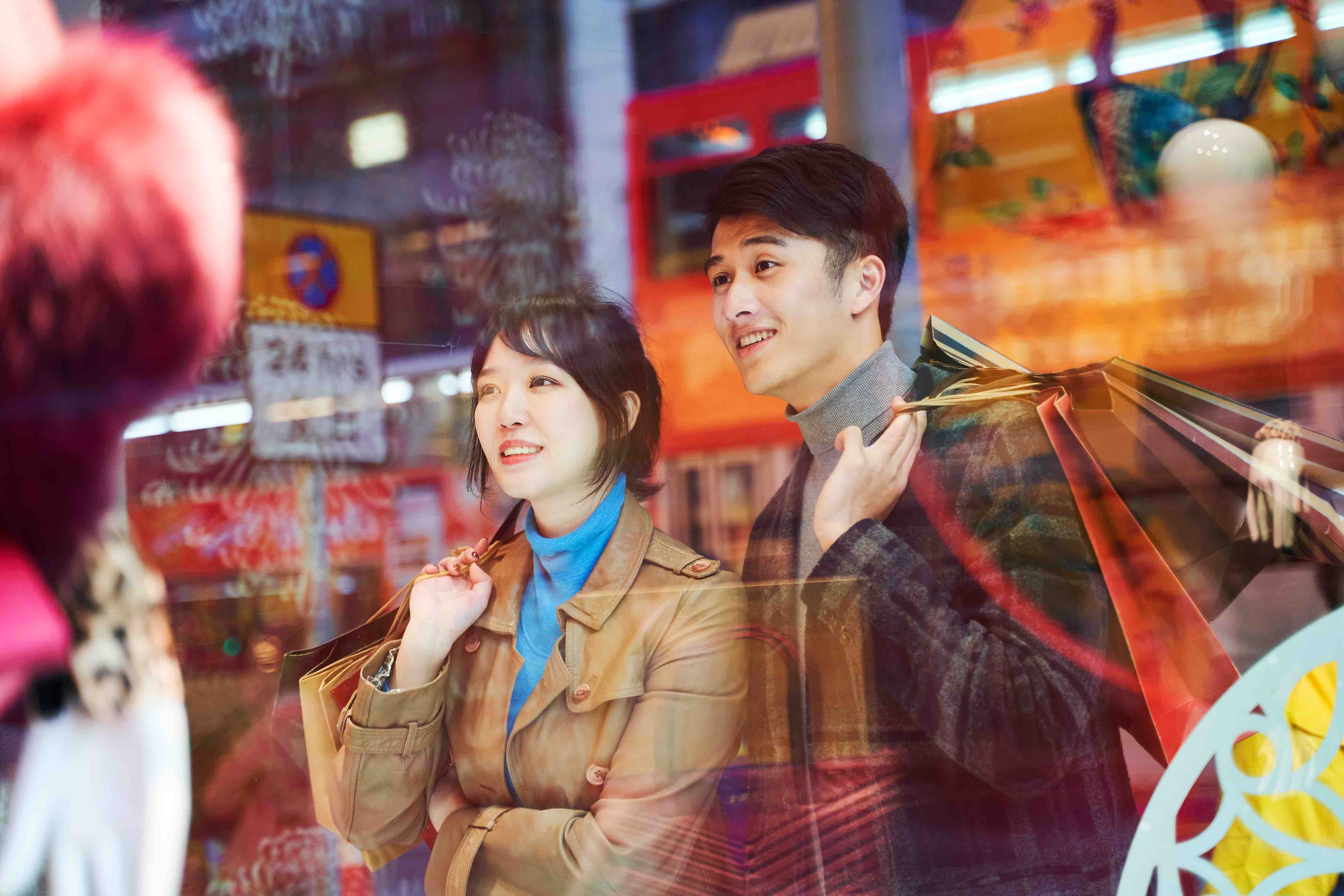
There is something very gentle about this atmosphere: it feels as if the whole city has been transformed into the set of a romantic film. The Japanese like to take care over the details: a small, carefully wrapped gift, a hand-decorated card, a specially ordered cake… When they celebrate, they do it wholeheartedly, with a very deliberate sense of style.
The famous Christmas cake
Yes, it's a tradition! The Japanese Christmas cake – usually a light sponge covered with whipped cream and strawberries – is one of the most eagerly awaited symbols of Christmas. Be sure to try it: it is sweetness itself, very Japanese in its lightness and elegance.
Christmas chicken: a surprising modern tradition
Another amusing quirk: the famous KFC Christmas chicken tradition. A marketing campaign from the 1970s became a national phenomenon. Even today, thousands of families order their bucket for 24 December. It is a far cry from stuffed turkey, but it has become a kind of modern ritual, with a light-heartedness the Japanese are attached to.
The spirit of December: a gentle frenzy and small everyday traditions
December in Japan is not just a month of celebrations; it is also a time for taking stock of the year. Companies close their financial year, families start tidying and cleaning the house to welcome the year ahead, and the streets become the stage for little end-of-year scenes: buying calendars, one last hot coffee amid the illuminations, and the famous bonenkai, the end-of-year parties with colleagues.
Bonenkai (忘年会), literally "forget-the-year gatherings", are a convivial moment when people let off steam, laugh and thank their colleagues. The atmosphere is more relaxed than usual, almost liberating.
Japanese New Year: depth, spirituality and renewal
If Christmas is light, modern and romantic, New Year (Oshōgatsu) is quite the opposite: it is the most important celebration of the year, deeply rooted in Japanese culture. As soon as 31 December approaches, the atmosphere changes. The air grows calmer, shops close earlier, families get ready to return to their home towns. You can literally feel the whole of Japan holding its breath.
Hatsumōde: the first prayer of the year
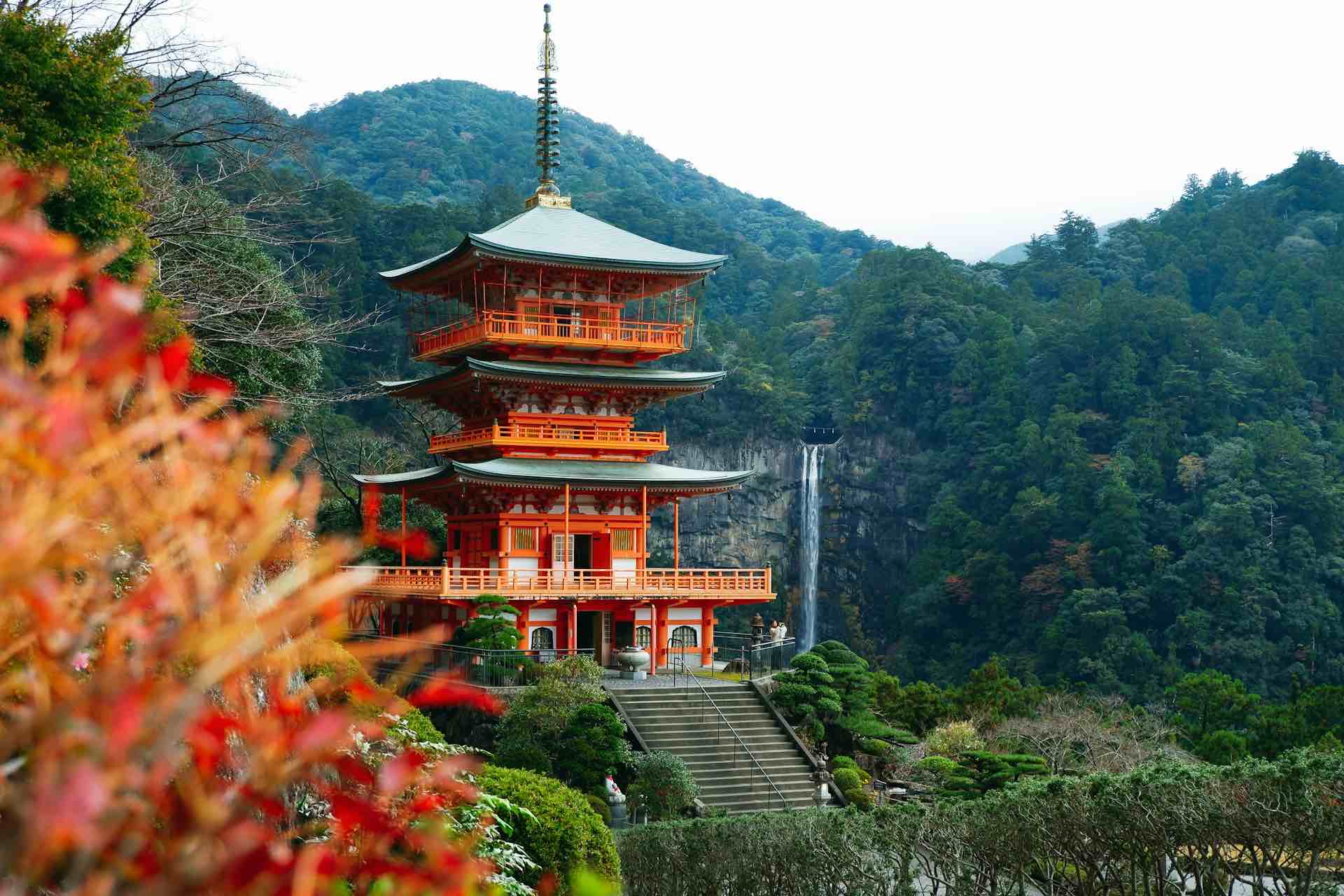
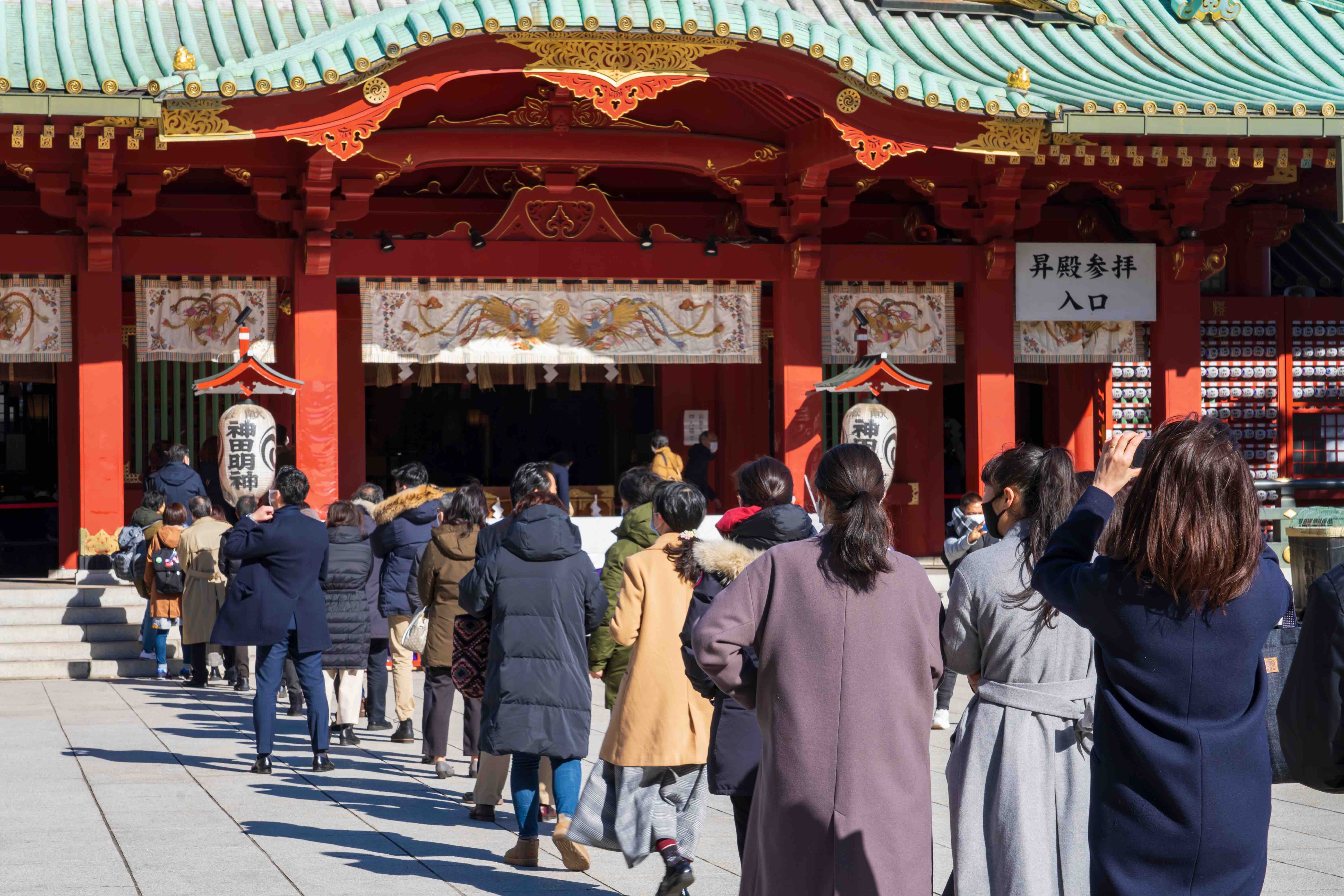
Between 31 December and 3 January, crowds head to Shinto shrines or Buddhist temples for hatsumōde. Lanterns, incense, bells and omikuji create an incomparable atmosphere. Even if you are not religious, you cannot help being moved by the solemnity of the moment.
Osechi ryōri: the culinary art of New Year
The New Year meal is a true art form, carefully prepared and full of symbolism. In lacquered boxes called jubako, you will find a variety of dishes: prawns for longevity, black beans for health, seaweed for prosperity… Every food carries a meaning, and eating these dishes is an integral part of family traditions.
Joya no kane: the 108 bell strikes
On 31 December, just before midnight, Buddhist temples ring their bells 108 times to drive away human desires and welcome the year with a purified mind. It is a deeply soothing moment, far from the tumult of Western fireworks.
The New Year period: families reunited and traditions preserved
On 1 January, Japan seems to slow down completely. Many shops close and the streets empty, except around the temples. It is a special time when families get together, give otoshidama envelopes to the children, watch special TV programmes and enjoy osechi. For travellers, it is a unique opportunity to feel the social and family harmony that is so characteristic of Japan.
Five essential things to know if you visit Japan during the holidays
The winter illuminations are an absolute must and turn cities into real fairy-tale landscapes. 24 December is a romantic evening rather than a family one, which may come as a surprise at first. New Year, on the other hand, is sacred: many businesses close, and you can feel a deep respect for tradition everywhere. Attending hatsumōde is a precious experience, and you really shouldn't miss the seasonal food, from mochi and ozōni to winter sweets.
Why visit Japan in December and January?
Because you will discover a different Japan: luminous, introspective, romantic and deeply attached to its traditions. A country that invites you to slow down, to savour and to marvel. If you are looking for a unique way to experience the year-end holidays, then Japan in winter is the obvious choice, an invitation to feel the beauty of the world differently.