Japan remains one of the countries most attached to paying in cash. Controlled inflation, low prices, culture, safety… Discover the 5 real reasons why cash still dominates in Japan.
For many Western travellers, Japan is often seen as an ultra-high-tech, futuristic country at the cutting edge of innovation. Yet one reality surprises almost every visitor: for all its modernity, Japan remains one of the developed countries where cash is most widely used.
Cash payments in restaurants, small shops, temples, car parks, ryokan and even some hotels: cash is still everywhere. This is neither a sign of technological backwardness nor a rejection of progress. It rests on deep-rooted economic, cultural and structural choices.
In this article, we explain why Japan still accepts cash so widely, and how this model paradoxically helps to keep prices low, curb inflation and preserve a stability that is unique in the developed world.
---1️⃣ Keeping prices low in a context of low inflation
One of the least-known — yet most important — reasons for the widespread use of cash in Japan is its indirect role in keeping prices under control.
Unlike in Europe or the United States, where electronic payments systematically involve bank charges (card commissions, transaction fees, terminal subscriptions), cash payments allow Japanese retailers to operate with more stable margins.
Fewer fees = less pressure on prices.
In a country where margins are thin and competition is fierce, every yen counts.
By widely accepting cash:
- retailers avoid bank commissions
- small shops remain viable
- prices can stay surprisingly low
This model helps explain why, despite high public debt, Japan has long experienced very low or even negative inflation. Cash acts as a silent economic shock absorber.
---2️⃣ A culture of safety and trust
Japan is one of the safest countries in the world. Theft is rare, assaults are exceptional and social trust is extremely high.
It is not unusual to see Japanese people:
- leave a bag unattended in a café
- pay large sums in cash
- get a lost wallet back intact
In this context, cash is not seen as a risk but as a practical, reliable tool.
This safety reduces dependence on electronic systems, which elsewhere are often seen as necessary to protect against theft or fraud.
---3️⃣ A historical wariness of credit and debt
Japanese society has a very particular relationship with debt. Historically, consumer credit has been viewed with caution, even suspicion.
Unlike Western models:
- deferred payment is not highly valued
- personal debt is socially discouraged
- consumption is planned for the long term
Paying in cash means paying for what you can actually afford. This mindset encourages more responsible and more stable consumption.
---4️⃣ An ageing population attached to its habits
Japan is one of the oldest countries in the world. A large part of the population was born and has lived in a system where cash was the absolute norm.
Rather than forcing an abrupt switch to all-digital, the Japanese authorities have opted for a pragmatic approach:
- cash and digital coexisting
- a gradual transition
- inclusion of older people
This choice avoids financial exclusion and maintains strong social cohesion.
---5️⃣ A historically stable banking system
Unlike some countries that have gone through major banking crises, Japan enjoys a level of banking stability that its population perceives as very high.
This has led to a paradoxical situation:
- Japanese people trust their banks
- but have not felt the need to give up cash
Cash is not seen as protection against instability, but as a simple, universal and effective tool.
---Cash and travelling in Japan: what you need to know
For travellers, this reality calls for a few precautions:
- always carry cash
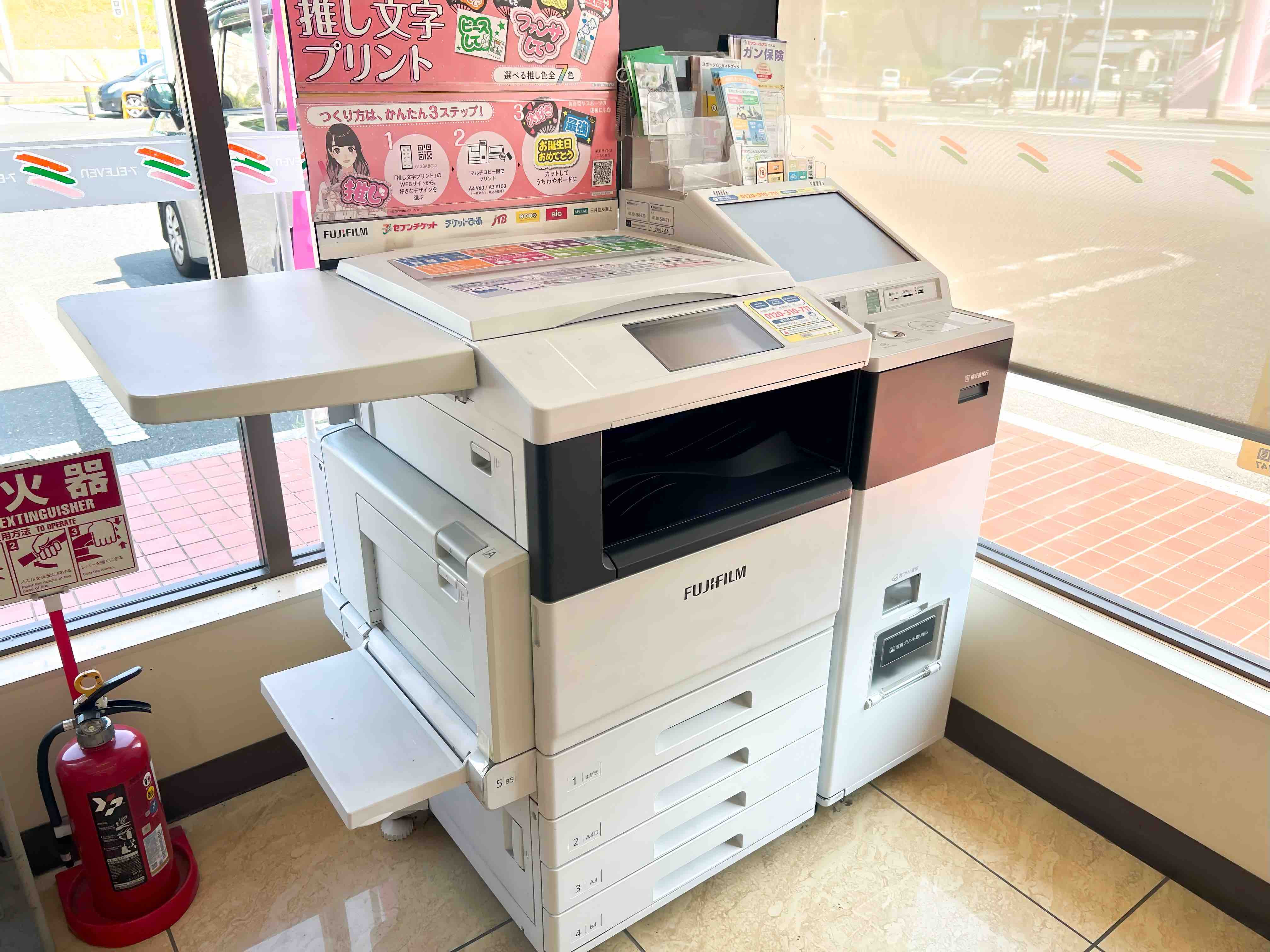
- plan to withdraw money at konbini (7-Eleven, Lawson)
- don't assume your card will be accepted everywhere
The good news: cash machines are plentiful, reliable and accessible 24/7.
---Cash as a strategic choice, not a sign of backwardness
If Japan still accepts so much cash, it is neither out of archaism nor a rejection of modernity. It is the result of a subtle balance between culture, safety, economic stability and inflation control.
In a world where dematerialisation is sometimes accelerating at the expense of the most vulnerable, Japan is a reminder that a hybrid system can be not only viable, but deeply effective.
For travellers, understanding this reality makes it easier to prepare your stay, avoid unpleasant surprises and appreciate a more authentic Japan — the one that works day to day.