Spring festivals, local traditions and sakura: the ultimate guide to experiencing authentic Japan
🌸 Sakura & Matsuri — 2026 Guide
Matsuri in Japan During Sakura Season: the Spring Festivals Not to Miss
Coming to Japan in spring? Here are the must-see matsuri to experience during cherry blossom season: neighbourhood atmospheres, parades, lanterns, yatai, Shinto traditions… with practical advice for planning your itinerary.
Contents
- Why spring matsuri are unique
- Tokyo: urban matsuri under the cherry trees
- Kyoto: tradition, elegance and rituals
- Kansai & surroundings: Nara, Osaka, Himeji
- Chūbu: Kanazawa, Takayama, the Japanese Alps
- Tōhoku: later sakura and local festivals
- Kyushu & Okinawa: an early spring
- Hokkaido: the "late bloom" sakura season
- Practical tips (timing, crowds, photos, budget)
- FAQ — Your frequently asked questions
Why are matsuri during sakura season so special?
Cherry blossom season is more than an Instagram backdrop. In Japan, sakura are a profound social and cultural marker: they symbolise renewal, the fragility of time and the start of a new cycle. That is exactly why spring is packed with so many matsuri.
A matsuri (祭り) is a festival linked to a Shinto shrine, a local tradition or a seasonal event. In spring, communities celebrate the protection of local deities, prosperity and the transition to a new school and working year. The result: in a single weekend, you can go from a peaceful hanami to a parade of mikoshi (portable shrines carried on the shoulders) and a street food market.
Key takeaway: seeing cherry blossoms = beautiful. Experiencing a matsuri under the cherry blossoms = unforgettable. You are no longer a spectator: you are sharing a collective moment with the locals.
- Atmosphere: lanterns, yatai (stalls), music, dancing, neighbourhoods in celebration.
- Traditions: Shinto rituals, parades, costumes, local performances.
- Immersion: you discover the "real" Japan, away from the standard tourist routes.
- Food: yakisoba, karaage, taiyaki, dango, sakura mochi…
Tokyo: urban matsuri under the cherry trees
Ueno Sakura Matsuri (late March – early April)
Ueno Park is one of Tokyo's most iconic spots for admiring the cherry blossoms. But during the blossom season, the place changes completely: lanterns, stalls, temporary stages… The Ueno Sakura Matsuri turns the park's paths into an open-air festival.
Why go
Perfect if you want a first "matsuri + sakura" experience without complicated logistics.
Insider tip
Arrive before 5 pm to get a good spot, then stay on after nightfall: the atmosphere becomes magical.
Sumida & Asakusa: cherry blossoms + tradition (late March – early April)
In the Asakusa district, the matsuri spirit is ever-present. During sakura season, the area around the Sumida River has more of a "village in the city" feel: riverside walks, small events and sometimes traditional performances. The appeal? You combine a very photogenic setting with a local atmosphere.
Nakameguro: sakura by night & Tokyo vibes
If you like urban atmospheres, Nakameguro is a classic. It is not a matsuri in the traditional sense, but during the blossom season the river turns into a "night festival": illuminations, stalls, pop-up cafés and slow strolls amid the pink. Ideal for an evening in Tokyo.
Kyoto: tradition in its purest form during the blossom season
Kyoto experiences spring as an aesthetic ritual. Here, the sakura are not merely admired: they are woven into a cultural staging in which temples, gardens and traditional arts echo one another. Events here are often more "ceremonial" than "festive", but the emotion is immense.
Miyako Odori (April) — the elegance of geiko and maiko
The Miyako Odori is one of Kyoto's most famous spring performances. Maiko and geiko (often called "geisha") perform traditional dances, accompanied by Japanese music. The experience is rare and structured, and very different from a street matsuri — but it embodies sakura season in Kyoto.
- Atmosphere: refined, cultural, memorable.
- Who it's for: travellers curious about Japanese art, couples, lovers of tradition.
- Tip: book early if possible, and combine it with hanami at Maruyama or along the Okazaki Canal.
Hirano Jinja: sakura + local atmosphere
Hirano Shrine is renowned for its cherry trees, and in spring it also takes on a festival atmosphere: lanterns, families, small stalls, celebrations. It is one of the best options if you are looking for a Kyoto "beyond the postcard", more local, while still being in a legendary place.
Kansai & surroundings: Nara, Osaka, Himeji (spring made easy)
Osaka: festive hanami and popular energy
Osaka is not the most "ceremonial" city, but it is one of the liveliest. During the blossom season, several parks and riverbanks have an atmosphere close to a festival: food, music, groups of friends and a very "Kansai" energy. If you want liveliness, this is the place.
Nara: sakura + spirituality, slow-travel style
Nara is a pause. Cherry trees, temples and a naturally calm atmosphere. At certain times in spring, the city hosts more low-key traditional events, but above all it is a perfect destination for those who want a contemplative hanami while staying within easy reach of Kyoto/Osaka.
Himeji: the castle + sakura = the perfect combo
Himeji Castle is one of the most beautiful in Japan, and in spring the scene becomes surreal: the white of the castle, the pink of the cherry blossoms. Even if it is not always an official "matsuri", the crowds create a festive atmosphere with stalls and entertainment. A very worthwhile excursion.
Chūbu: Kanazawa, Takayama and the Japanese Alps (picture-postcard Japan)
Kanazawa: festivals and culture away from the crowds
Kanazawa is often called "the quiet Kyoto". In spring, the city enjoys the blossoms in its gardens, its canals and its historic districts. You will also find seasonal cultural events there, sometimes linked to its feudal history. If you want a smoother experience, Kanazawa is an excellent choice.
Takayama & traditional villages: spring, the authentic version
The Japanese Alps offer a more rural Japan. Depending on the year, the blossoms may come out slightly later, which lets you "catch up" with the sakura if Tokyo/Kyoto are already over. Some of the region's festivals showcase local crafts and decorated floats, with a very strong village atmosphere.
Itinerary tip: if you want to make the most of the cherry blossoms, the simplest strategy is to start in the south (Kyushu/Kansai) and then work your way north (Chūbu/Tōhoku/Hokkaido).
Tōhoku: later sakura + local festivals
Northern Honshu is one of the secrets of the Japanese spring: fewer tourists, cherry blossoms that sometimes come later, and remarkable authenticity. If you are travelling after the first half of April, Tōhoku may well be your best bet.
Why Tōhoku is "underrated" in spring
- Blossoms often come later: ideal if Tokyo is already "over".
- More local festivals: a more natural immersion.
- Spectacular landscapes: rivers, hills, lakes, sakura stretching into the distance.
In practice, it is also a region where a car makes travelling much easier, especially if you want to visit several cherry blossom spots and small village events one after another.
Kyushu & Okinawa: an early spring and gentler festivals
The south of Japan often sees the cherry blossoms earlier. Kyushu combines volcanoes, onsen, pleasant cities and regional festivals. Okinawa, for its part, follows a different calendar (and sometimes has its own specific varieties of cherry tree), which makes it an interesting option if you are looking for an "out of the ordinary" spring.
Kyushu: the perfect balance between nature, culture and logistics
For a traveller, Kyushu offers excellent value for your time: pleasant roads, accessible natural sites and an atmosphere that is often less crowded. Events here are warm and welcoming, and the local food (ramen, fried chicken, seafood) is best enjoyed matsuri-style.
Okinawa: a different Japan, a different pace
Okinawa does not look like the Japan of Kyoto. An island culture, a milder climate, a slower pace. It is an excellent option if you want to combine blossoms, the sea and festivals that are more "laid-back" than ceremonial.
Hokkaido: the "late bloom" sakura season (late April – early May)
If you are travelling too late for Tokyo/Kyoto, Hokkaido is your wild card. The blossoms arrive later here, and some parks offer a spectacular experience, with a sense of space that is rare in Japan. The atmosphere is often calmer, and spring events can be more about "nature" than "rituals".
- Advantage: late cherry blossoms, fewer crowds.
- Drawback: cooler weather, logistics a bit more "road trip".
Practical tips for enjoying matsuri during sakura season
1) Timing: the real sakura trap
Cherry blossoms don't "last": they may be at their most splendid for 3 to 7 days, then it's over. The right approach: stay flexible and scout out 2 or 3 alternative spots in the same region.
2) Budget: bring cash
Matsuri stalls (yatai) still often accept cash only. Allow yourself some leeway: you will end up tasting more than you planned.
3) Photos: respect & discretion
Some rituals and shrine scenes can be sensitive. If a sign prohibits photography, respect it. And avoid using flash, especially at night: you will keep better memories… and avoid icy stares.
4) Transport: train in the city, car as soon as you leave it
In Tokyo/Kyoto, the train is perfect. But as soon as you want rural festivals, panoramic spots or to visit several places in a row, the car becomes a way to get far more out of your trip.
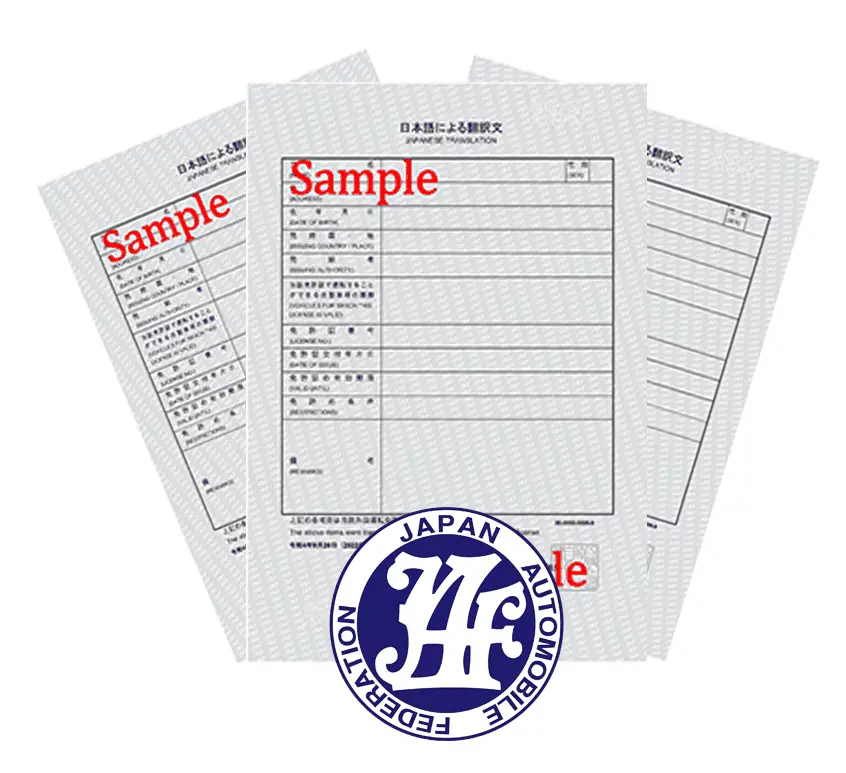
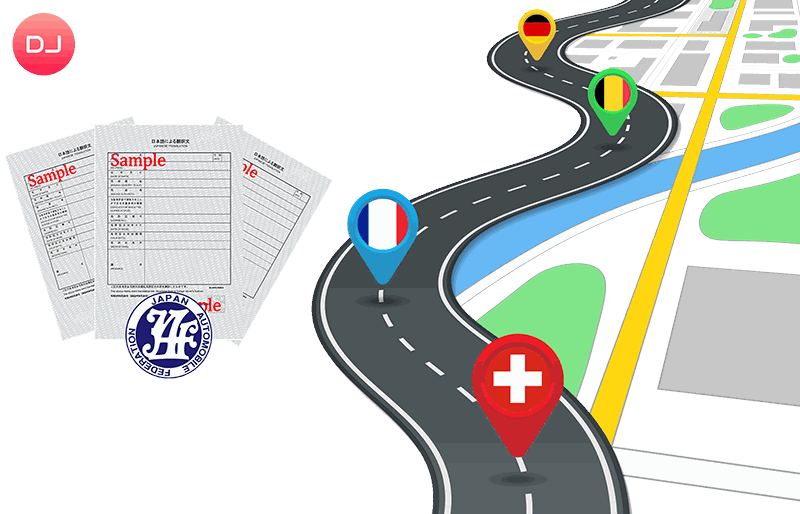
Important: to drive in Japan, travellers with a licence from France, Belgium, Switzerland, Germany, Monaco or Taiwan need an official JAF translation of their driving licence. Taking care of this step in advance means avoiding stress when you rent a car.
FAQ — Matsuri & cherry blossoms
What is the difference between hanami and matsuri?
Hanami = viewing the cherry blossoms (often with a picnic). Matsuri = festival (rituals, parades, stalls, community atmosphere). The two often go hand in hand in spring.
Can you go to a matsuri as a family (with a baby / children)?
Yes, many matsuri are family-friendly. Just avoid peak times (after 6 pm at the famous spots) and have a "fallback" option (a quiet park, a café) in case the crowds get too dense.
What is the best city + matsuri combination for a first trip?
Tokyo + Ueno for efficiency and energy, then Kyoto for aesthetics and tradition. After that, if you want to breathe: Kanazawa or a rural region on a road trip.