Discover Route 58 in Okinawa: a road trip itinerary between Naha and the north of the island, tips for driving in Japan, car rental, parking, tolls and the JAF licence translation.
Okinawa · Route 58 · Road trip
Road trip on Route 58 in Okinawa: the complete 2026 guide to driving between Naha and the north of the island
Route 58 is the iconic road that runs the length of Okinawa's main island, linking Naha to the beaches and scenery of the north – ideal for a first road trip by car in Japan.
Why choose Route 58 for a road trip in Okinawa?
Route 58 follows the island's backbone, from the Naha airport area all the way to the beaches of the north. It is the simplest route for combining towns, seaside resorts and coastal viewpoints without getting lost.
The road is perfectly suited to a first road trip: clear signage, plenty of petrol stations, hotels and car parks, and traffic that generally flows more smoothly than in Tokyo or Osaka.
DrivinJapan tip
Avoid taking Route 58 at rush hour around Naha (in the morning and late afternoon): traffic can be heavy near the airport and the large shopping centres, which can make journeys considerably longer.
Driving conditions in Okinawa and rules to know
Speed limits and local driving style
In Japan, speed limits are lower than in Europe: generally expect 30 to 50 km/h in town and 60 km/h on roads outside built-up areas. Signs may occasionally lower these limits to 50 km/h.
Local drivers tend to be fairly cautious: few sudden overtaking manoeuvres, and traffic lights and pedestrian crossings are respected. On Route 58, this laid-back pace fits Okinawa's beachside atmosphere perfectly.
Driving on the left and road signs
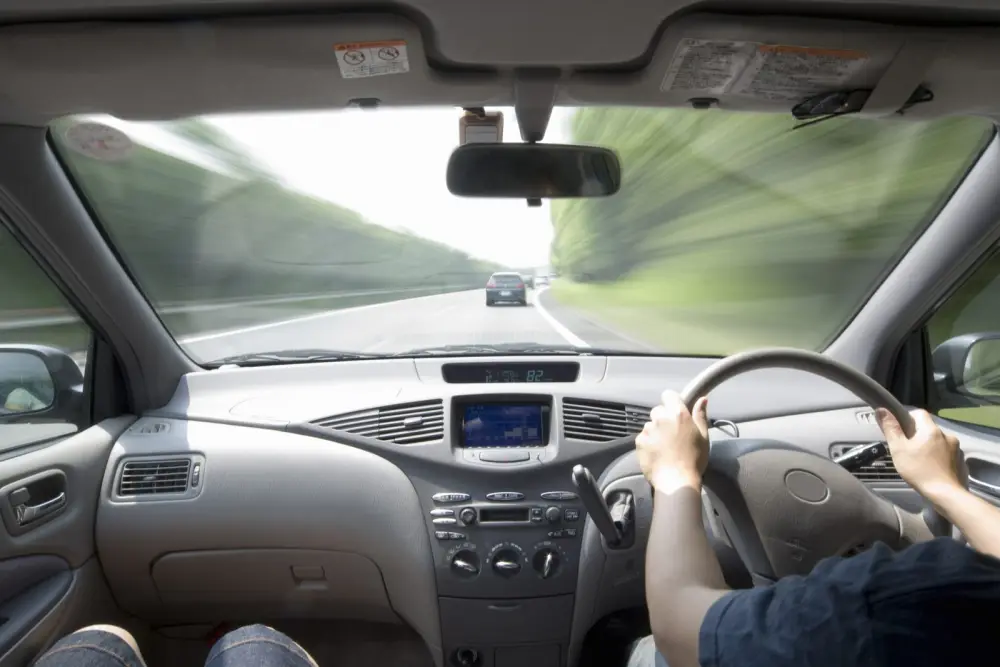
As everywhere in Japan, traffic drives on the left, with the steering wheel on the right. It takes a little time to adjust, especially at the first few junctions and when leaving car parks.
Signs are bilingual most of the time: Japanese + Latin alphabet. Major destinations, road numbers and towns can be read without knowing Japanese, especially with an up-to-date GPS as back-up.
Top 3 options for renting a car on Route 58
To explore Okinawa freely, a car is almost essential. Here are the top 3 most practical rental options for a road trip along Route 58.
1
International rental company at Naha Airport
Ideal if you want to pick up the car as soon as you land. A simplified process in English, recent vehicles, and pick-up and drop-off close to the terminal.
On the downside, prices are often higher and demand soars in the peak summer season.
2
Local Japanese rental company along Route 58
Perfect if you are flexible and happy to get to an office by bus, monorail or taxi. Prices are generally more competitive, and staff know Okinawa's roads inside out.
Be aware, however, that communication is sometimes mainly in Japanese and opening hours are more limited.
3
City rental in Naha for a short road trip
Suited to travellers who start with a few days in Naha without a car. You avoid paying for days you don't need and can finish your stay in Naha after returning the car.
You just need to plan the transfers between your hotel, the rental company and Route 58.
Suggested 3-day itinerary between Naha and northern Okinawa
Day 1 – Naha and the first beaches
On day 1, pick up your car at the airport or in town, then ease your way out of Naha via Route 58. Plan stops at easy-to-reach spots such as Tropical Beach or Araha Beach for your first taste of the turquoise water.
Keep the mileage light on this day so you can get used to driving on the left and to the local car parks. Take the opportunity to try out a petrol station, get familiar with the signs and settle into your cruising pace.
Day 2 – Resorts in the centre of the island
On day 2, head up Route 58 towards the resort areas in the centre of the island. Many hotels include parking, which makes it easier to organise visits to beaches, cafés, shopping centres and viewpoints.
Several minor roads branch off the 58 towards the coast: you can easily adapt your itinerary to the weather, how much you feel like swimming or the sea-view cafés you come across along the way.
Day 3 – Northern Okinawa and back to Naha
On the last day, aim for the wilder landscapes of the north: quieter roads, tropical vegetation and less crowded viewpoints. This is the time to take plenty of photos.
Plan your return to Naha carefully: allow extra time for traffic and for returning the vehicle. If you have an evening flight or ferry, add a 45–60 minute safety margin to avoid late-return fees and last-minute stress.
Car parks, tolls and petrol stations along Route 58
Automated car parks: how do they work?
In Okinawa, you will come across lots of car parks with locking plates under the car: you park, a plate rises up under the wheels, then you pay at a machine by entering the space number to release the car.
Remember to note the number on the ground and on the plate before you leave. When you come back, enter this number at the machine, pay the amount shown, then wait for the plate to go down before driving off.
Tolls and the expressway network
Route 58 itself is mostly free, but some connections with expressways may be tolled. Rental companies often offer you an ETC unit so you can go through tolls more quickly.
If you use ETC, the amounts will be charged automatically. Otherwise, have some cash or a compatible card ready for the standard toll barriers.
Petrol stations and fuel
The most common fuel is regular petrol (“Regular” / “レギュラー”), usually with a red nozzle. The pumps display the colour and the label, which helps to avoid mistakes.
Many stations work on a prepayment basis: you insert your card or banknotes into the machine, choose an amount or “full tank”, then fill up. Keep this system in mind to avoid getting stuck.
JAF licence translation and required documents
National licence + JAF translation: the mandatory combination
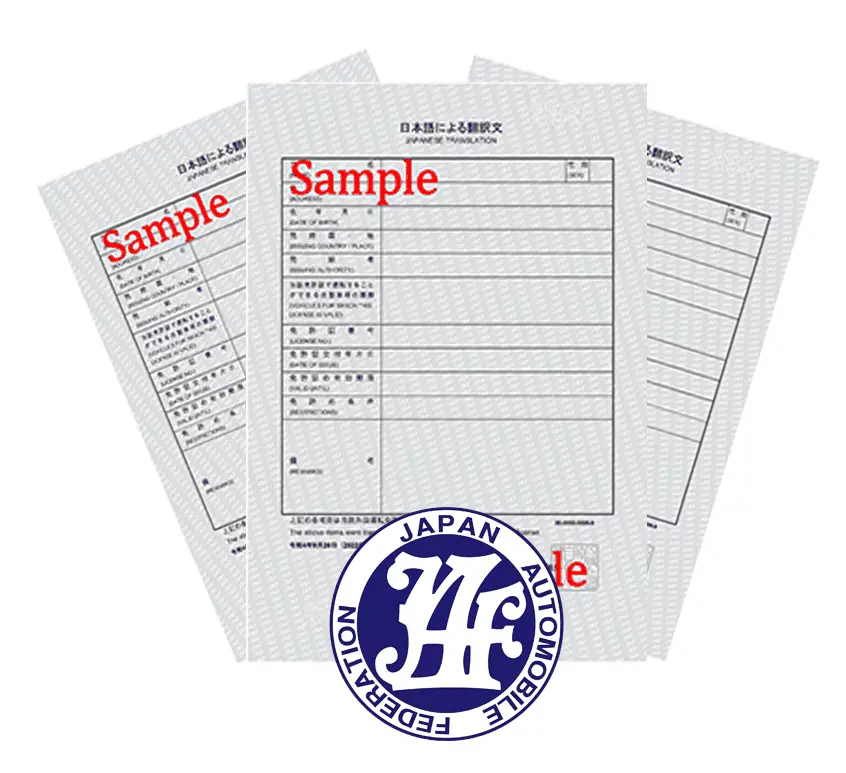
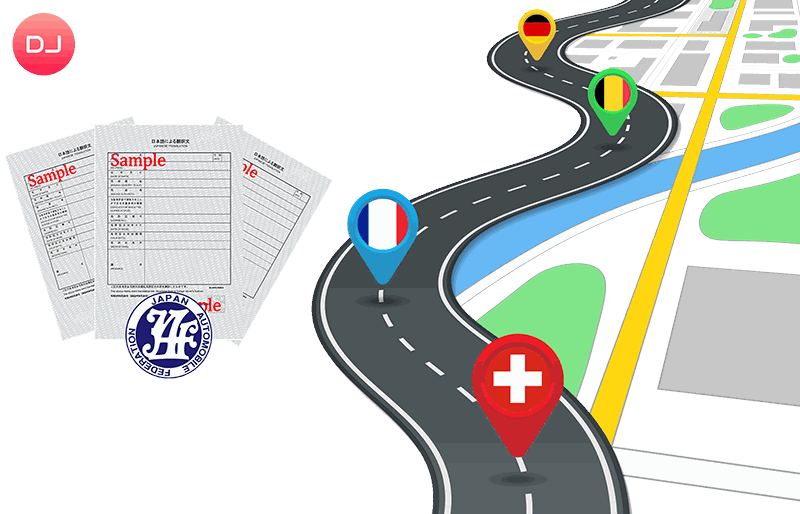
For holders of a French, Belgian, Swiss, German or Monegasque licence, the International Driving Permit is not enough in Japan. The authorities require you to present your original national licence together with an official JAF translation.
If you are stopped by the police or when renting a car, you must be able to show your licence, the JAF translation and your passport. The validity period is limited: you can drive with this combination for one year from your date of entry into Japan.
The JAF process: what has changed and how to prepare your trip
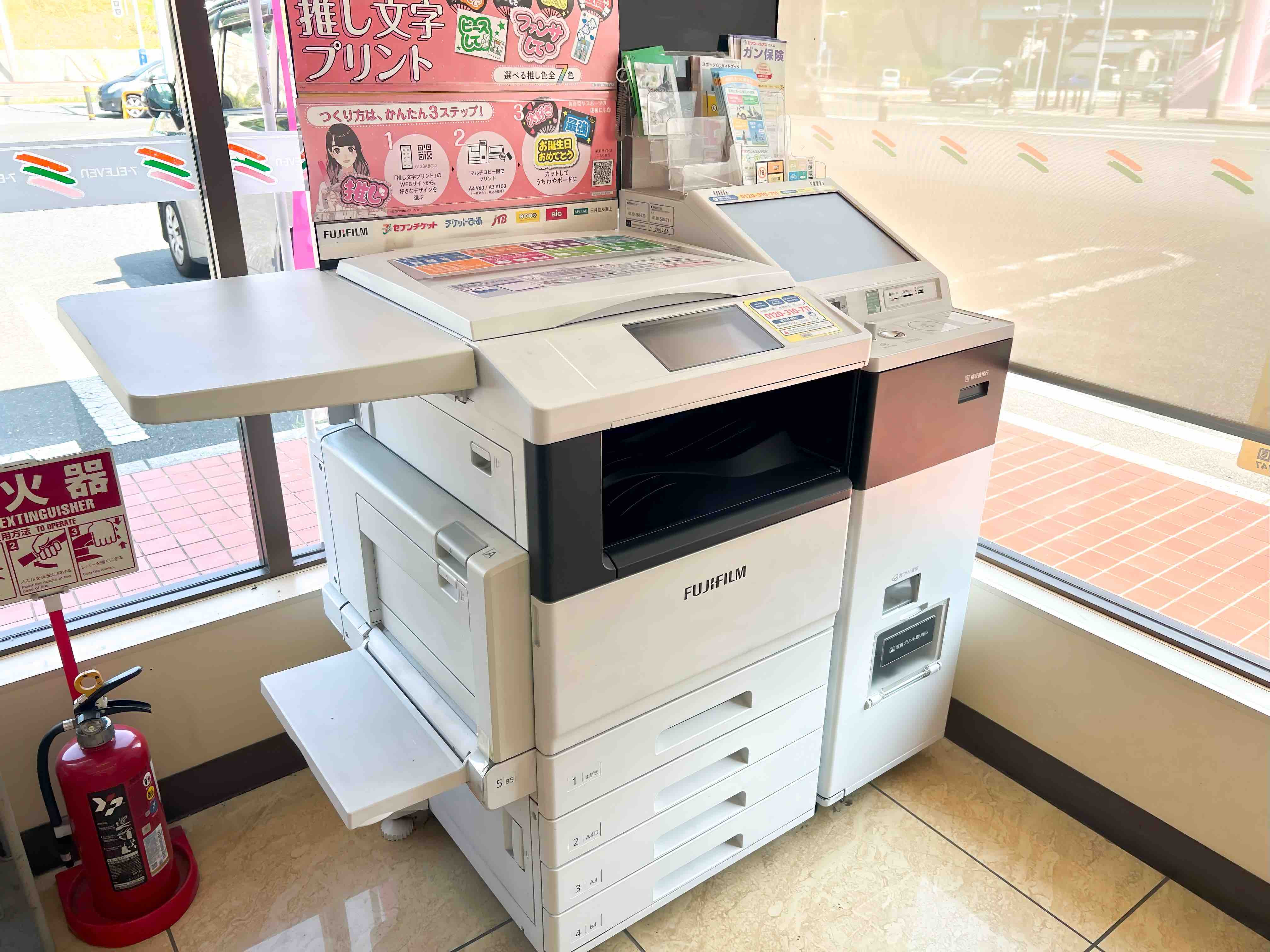
The JAF procedure has gone digital: an online application through a Japanese interface, a fee of around 6,000 yen, and printing at a konbini. The drawback is that all this assumes you are already in Japan and can find your way around a system in Japanese.
For a road trip in Okinawa, many travellers prefer to use a specialist intermediary that can handle the JAF application on their behalf and plan around the processing times, so they arrive in Japan with a translation ready, or at least with a well-defined process in place.
FAQ: Route 58 & driving in Okinawa
Can you drive in Okinawa with a French, Belgian, Swiss or German licence?
Yes, you can, but only with your original national licence + an official JAF translation + your passport. This combination allows you to drive for one year from your entry into Japan.
Is Route 58 difficult to follow on a first trip to Japan?
No, it is actually one of the most accessible roads: the route is clearly signposted, many signs are in Latin characters, and petrol stations, car parks and hotels are plentiful. It makes an excellent first experience of driving in Japan.
What are the usual speed limits in Japan?
In town, expect 30 to 50 km/h, and 60 km/h outside built-up areas. If in doubt, follow the signs: they always take precedence over the general limits and may impose 50 km/h on certain stretches.
Do you have to have an International Driving Permit to drive in Japan?
For countries that go through the JAF translation (France, Belgium, Switzerland, Germany, Monaco…), the International Driving Permit does not allow you to drive. You can rent a car and drive only with your national licence + JAF translation.
Get your licence translation sorted before you leave for Okinawa
To enjoy your road trip on Route 58 without any administrative stress, have your licence translated now through DrivinJapan, a partner specialising in JAF translations of French, Belgian, Swiss, German and Monegasque licences.
Start my JAF translation with DrivinJapan