Practical tips for picking up a rental car in Japan after a long-haul flight and driving safely from the moment you leave the airport.
Trip preparation
Renting a car after your flight to Japan: a guide to getting off to a good start
Travel fatigue, licence, driving on the left, ETC and your first few kilometres: everything you need to prepare to pick up a rental car in Japan without turning your arrival into a source of stress.
Plan the pick-up before you arrive
Picking up a car as soon as you land is an excellent way to reach Mount Fuji, the Japanese Alps, Hokkaido, Kyushu or a rural region. However, the rental agency is not always located right in the terminal: you often need to take a dedicated shuttle from the airport.
So don't plan too tight a schedule. Between passport control, baggage, an eSIM or SIM card, withdrawing yen and the transfer to the agency, your arrival can take longer than expected.
DrivinJapan tip
Give a realistic pick-up time when you book. Allow some leeway after landing, especially if it is your first time arriving in Japan or during busy periods.
Choose a car suited to the first leg
A compact car is often fine for two travellers with little luggage. On the other hand, a family, a winter itinerary, hiking gear or a series of mountain roads call for a roomier vehicle.
The right vehicle is not necessarily the biggest: it also needs to be easy to park in smaller towns, ryokan car parks and the sometimes narrow streets of rural areas.
The documents to have at the counter
Before handing over the keys, the agency will check your identity, your booking and your right to drive in Japan. Your national licence alone is not recognised in every situation.
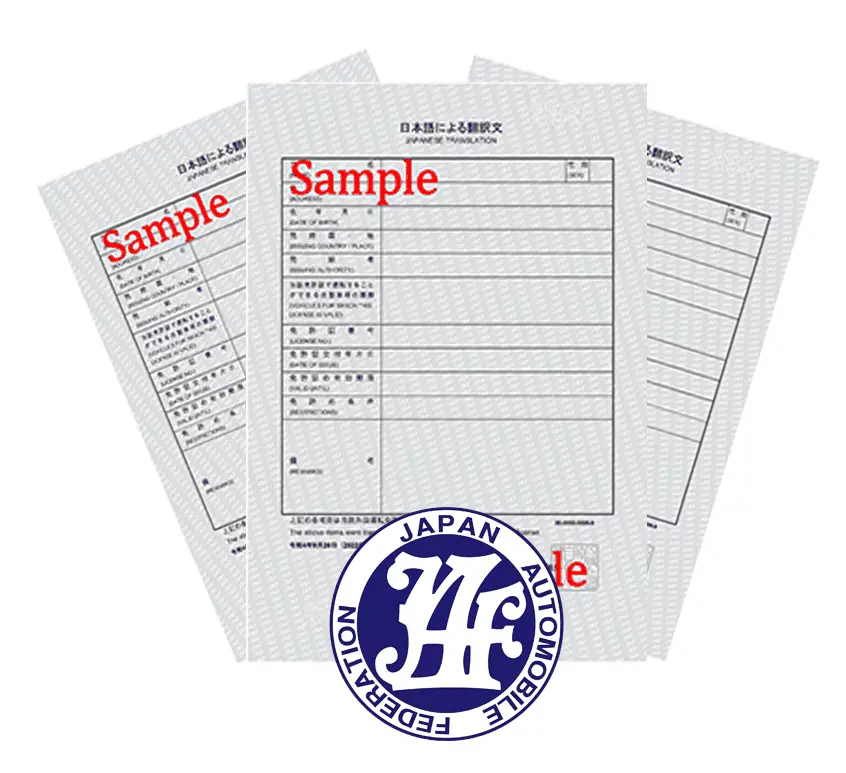
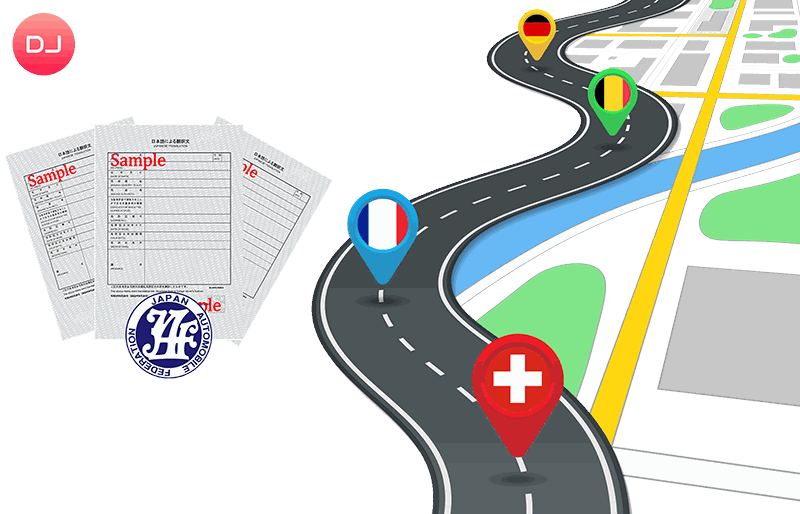
Depending on the country that issued your licence, you will need to present either a compliant International Driving Permit or your national licence together with an official Japanese translation. Check this before you leave: a missing translation can prevent you from being given the vehicle.
| Item | What to bring | Why? |
|---|---|---|
| Licence and JAF translation | National licence with official JAF translation (for French, Swiss, Belgian or German licences) or International Driving Permit, depending on the country | The agency must confirm your right to drive in Japan |
| Passport | Original, valid for the duration of your stay | Identification and rental contract |
| Payment card | In the main driver's name | Deposit and payment of rental-related charges |
| Booking | Number saved offline | Useful if your mobile connection is slow or unavailable |
Check before you book: the requirements differ depending on the country that issued the licence. Look up the rules that apply to your situation and sort out your driving document before you leave.
Should you drive straight after a long flight?
The answer depends on how you actually feel when you arrive. Even an experienced driver can be less alert after little sleep, when suffering from jet lag or when having to adapt to driving on the left and an unfamiliar vehicle at the same time.
The first journey may look simple on a map, but you also have to process the satnav's voice instructions, the signs, the tolls and Japanese junctions. If you land in the evening or your first destination is far away, sleeping near the airport is often the safest choice.
Top 3 easiest ways to set off after landing
A night near the airport
The best option if you arrive late, have bad jet lag or are driving in Japan for the first time. You set off well rested the next day.
A short first leg
Choose a hotel or ryokan less than an hour away, ideally without crossing the centre of a big city or taking a complicated route.
The car the next day
In Tokyo, Osaka or Kyoto, start your stay by train. Then rent the car when your itinerary actually leaves the urban environment.
Check the car before you set off
Ask for useful equipment
An ETC card is strongly recommended if you plan to use toll expressways. It makes getting through the barriers simpler and saves you having to pick the right payment lane at each toll.
Also ask how to change the satnav language, which fuel to use, how to return the car and what procedure to follow in the event of a breakdown or accident.
Do a quick but thorough inspection
- Photograph any existing scratches or marks.
- Locate the hazard lights and the lighting controls.
- Adjust the mirrors before leaving the car park.
- Test the satnav while stationary and enter your first destination.
- Ask how self-service petrol stations work.
Getting your first kilometres right
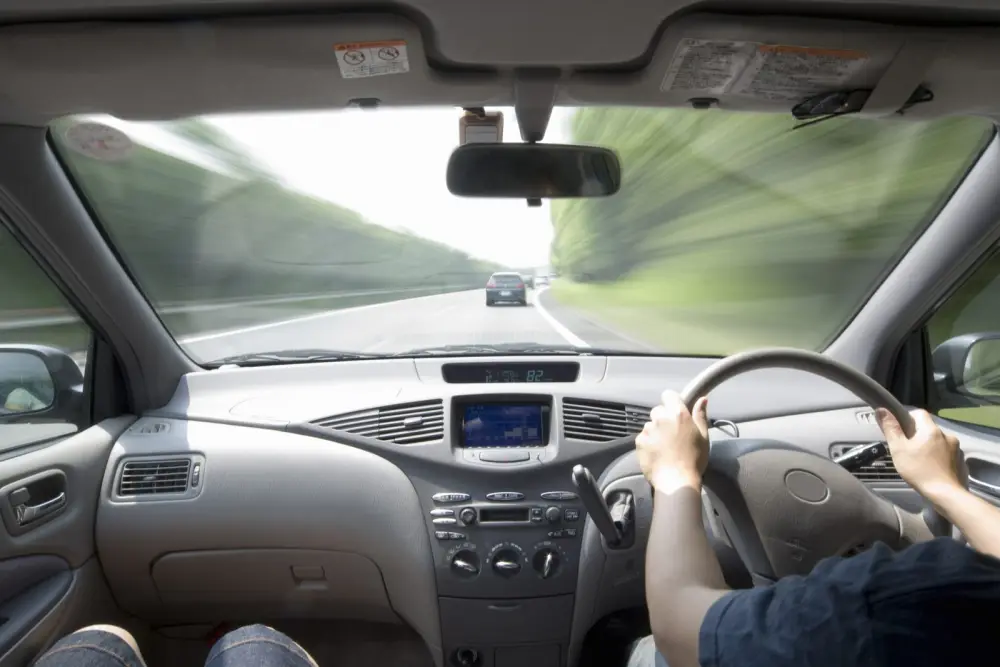
Before joining an expressway, drive for a few minutes on quiet streets around the agency. This helps you get used to sitting on the right, driving on the left and the car's controls.
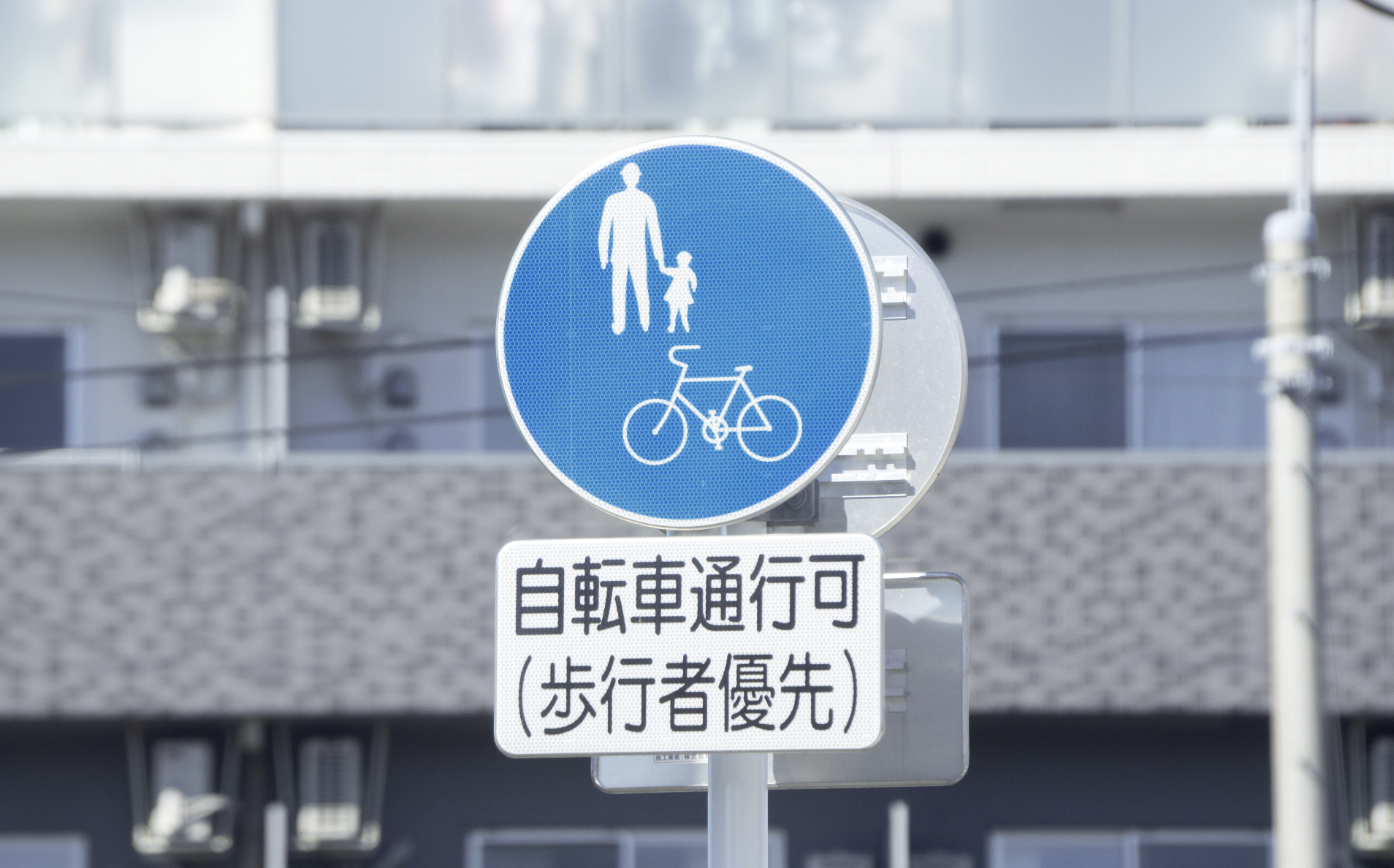
Right turns need particular attention, as they cut across oncoming traffic. Take your time and follow the traffic lights, road markings and signs rather than automatically copying what other drivers do.
Handy habit
Plan a first stop after 30 to 45 minutes of driving: a service area, konbini, petrol station or tourist car park. This break lets you have a drink, check your route and get back on the road calmly.
A gradual start makes the whole road trip better
A cautious first day doesn't shorten your trip: it secures the rest of it. With the right documents, a suitable car and a reasonable first leg, you will quickly gain confidence on Japanese roads.
FAQ: renting a car as soon as you arrive in Japan
Can you drive in Japan straight after a long flight?
Yes, but it depends on how tired you are and on your itinerary. If you have jet lag, arrive at night or have a long journey planned, a night near the airport or a short first leg is preferable.
What documents do you need to show to rent a car?
You generally need a passport, a booking, a payment card in the main driver's name and a driving document recognised in Japan. Depending on the country that issued your licence, an official Japanese translation or an International Driving Permit may be required.
Is the ETC card compulsory?
It is not always compulsory, but it is highly recommended if your road trip includes expressways. It makes going through tolls simpler and reduces stress as you approach the barriers.
Should you rent the car at the airport or in town?
The airport is convenient if your road trip heads straight out of the big city. If your stay starts in Tokyo, Kyoto or Osaka, renting later saves on parking costs and unnecessary city traffic.
Check your licence before you leave
Depending on the country that issued your licence, an official Japanese translation may be essential to rent a car and drive legally in Japan. Get this document ready before your trip.
Order my licence translation →