A complete guide to planning a summer road trip in northern Hokkaidō through national parks, lakes and scenic roads.
Northern Hokkaidō summer road trip: Daisetsuzan, Shiretoko, Akan
Introduction
When summer becomes oppressive across much of Japan, Hokkaidō is the obvious choice for travellers who dream of wide open spaces, clear roads and air that is easier to breathe. For a summer road trip, the north and east of the island offer a particularly powerful combination: mountains, national parks, volcanic lakes, wildlife and long scenic roads.
An itinerary taking in Daisetsuzan, Shiretoko and Akan lets you discover three major faces of Hokkaidō. You move from an alpine world in the heart of the island to one of the most unspoilt peninsulas in Japan, before ending among lakes and hot-spring areas that give the trip real depth. This loop is very well suited to travellers who want to feel Hokkaidō's particular sense of scale without limiting themselves to a single region.
💡 Worth bearing in mind: summer is often the best season for this type of itinerary in Hokkaidō, as the roads are easy, the days are long and the landscapes are particularly accessible.
1. Why choose Hokkaidō in summer?
Hokkaidō attracts many travellers in summer because its temperatures are often more pleasant than in other Japanese regions. The long distances, lower population density and more open character of the landscape also heighten that sense of escape you look for on a road trip.
Daisetsuzan National Park is presented by the national park authorities as a vast mountain area with peaks, alpine flowers and rare wildlife. In eastern Hokkaidō, the official tourism website highlights a series of major landscapes ranging from Shiretoko to Lake Akan and Lake Mashu, in an area that is very well suited to travelling by car.

2. Overview of the itinerary
For this circuit, arriving via Asahikawa or Memanbetsu can work, depending on which direction you travel in. A logical loop is to start with Daisetsuzan, continue on to Shiretoko, then finish around Akan before returning or extending your trip to other areas in the east of the island.
The official Hokkaidō website even suggests travel plans for the east of the island starting from Memanbetsu, with a rental car from the moment you arrive and a succession of major natural sites. This confirms just how natural the road trip format is in this region.
| Area | What makes it special | Atmosphere | Recommended stay |
|---|---|---|---|
| Daisetsuzan | Mountains, alpine nature, vast landscapes | Large central park | 1 to 2 nights |
| Shiretoko | Wild peninsula, wildlife, spectacular roads | Japan's wild frontier | 2 nights |
| Akan | Lakes, marimo, onsen, volcanic atmosphere | Relaxation and depth of scenery | 1 to 2 nights |
3. Daisetsuzan: mountains, vastness and alpine summer
Daisetsuzan is Japan's largest national park, covering 226,764 hectares according to the official national parks website. Hokkaidō's environmental authorities also describe it as the "roof" of the island, with a mountain range of peaks over 2,000 metres and a very vast natural territory.
For a summer road trip, Daisetsuzan makes an ideal starting point: the region immediately gives you a sense of grandeur and open air. People come here for the viewpoints, the cable cars depending on the area you choose, the walks, the summer colours and the feeling of already being far from Japan's busiest routes.
Why Daisetsuzan is an excellent start
- The park immediately conveys Hokkaidō's particular sense of scale.
- The mountain landscapes make a real break from city travel.
- The region sets you up well for the rest of the road trip eastwards.
4. Shiretoko: the wildest peninsula of the trip
Shiretoko is one of the great highlights of this road trip. JNTO describes the peninsula as one of the most intact and unspoilt natural areas in Japan. Hokkaidō's official tourism body also presents Shiretoko as a region where roads, observation points, cruises and volcanic landscapes come together to create a very powerful experience.
The road plays a central role here. The Hokkaidō tourism website notably highlights the "Road to the Sky", a long straight stretch of about 28 kilometres at the entrance to the peninsula. The dedicated Shiretoko travel guide also stresses the importance of carefully planning access, bookings and points of interest according to the season.
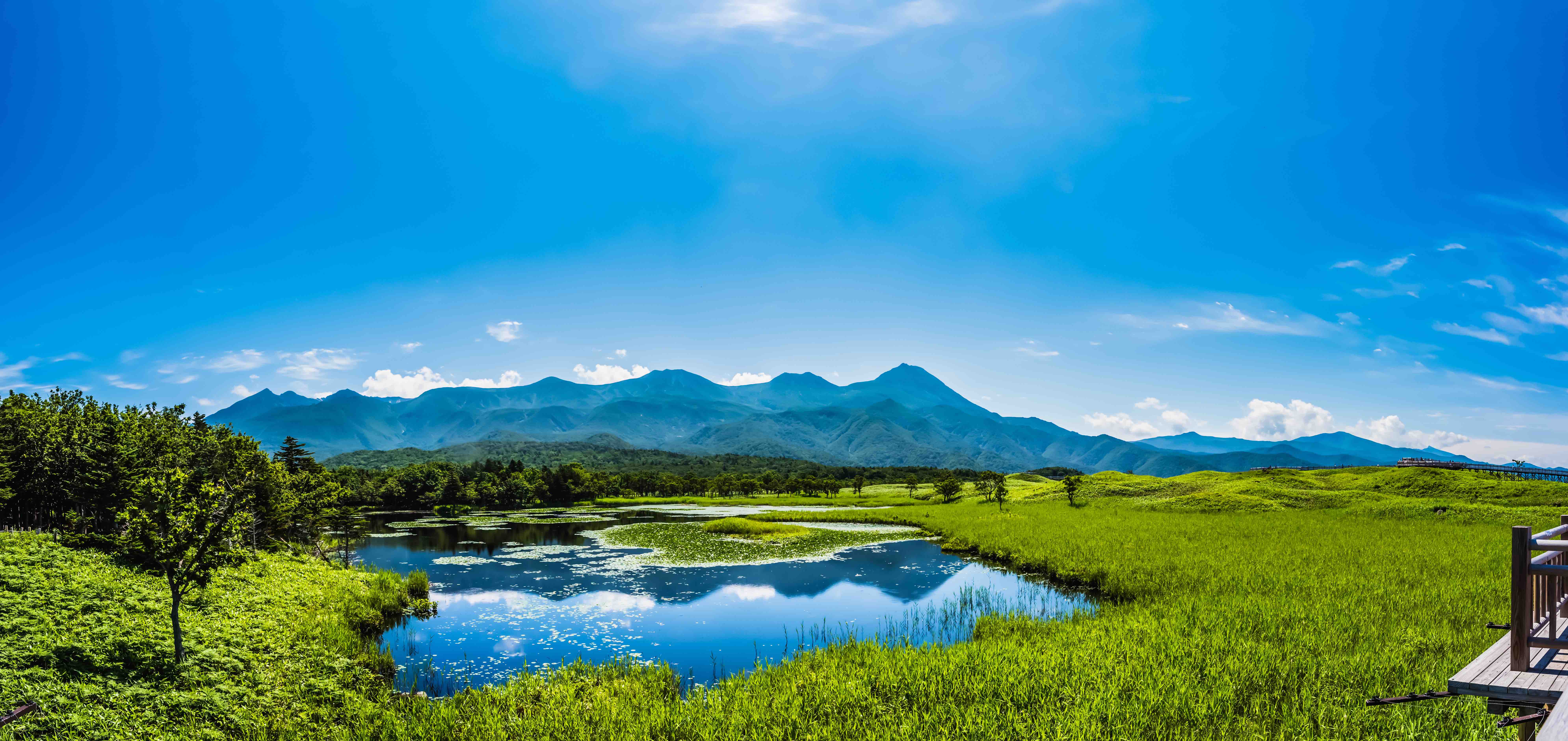
What makes Shiretoko so special
- The end-of-the-world feeling is very strong.
- Wildlife and seascapes play an important role here.
- The views from the observation points and access roads are among the most striking in Hokkaidō.
For many travellers, this is where the road trip truly comes into its own. You are happy to spend time on the road, not to go fast, but to cross a rare, wilder space that is far less tamed than the Japan people often imagine.
5. Akan: lakes, marimo, onsen and active rest
After the visual power of Shiretoko, the Akan region brings another kind of depth to the trip. The official Hokkaidō tourism website points out that Lake Akan is famous as the only place where the rare marimo grows, designated a Special Natural Monument of Japan, and that the area is also known for its hot-spring resorts.
This stop works very well at the end of the loop, as it blends nature, water, hot-spring culture and a more contemplative atmosphere. The contrast with the mountains of Daisetsuzan and the wilder ruggedness of Shiretoko gives the trip a real sense of progression.
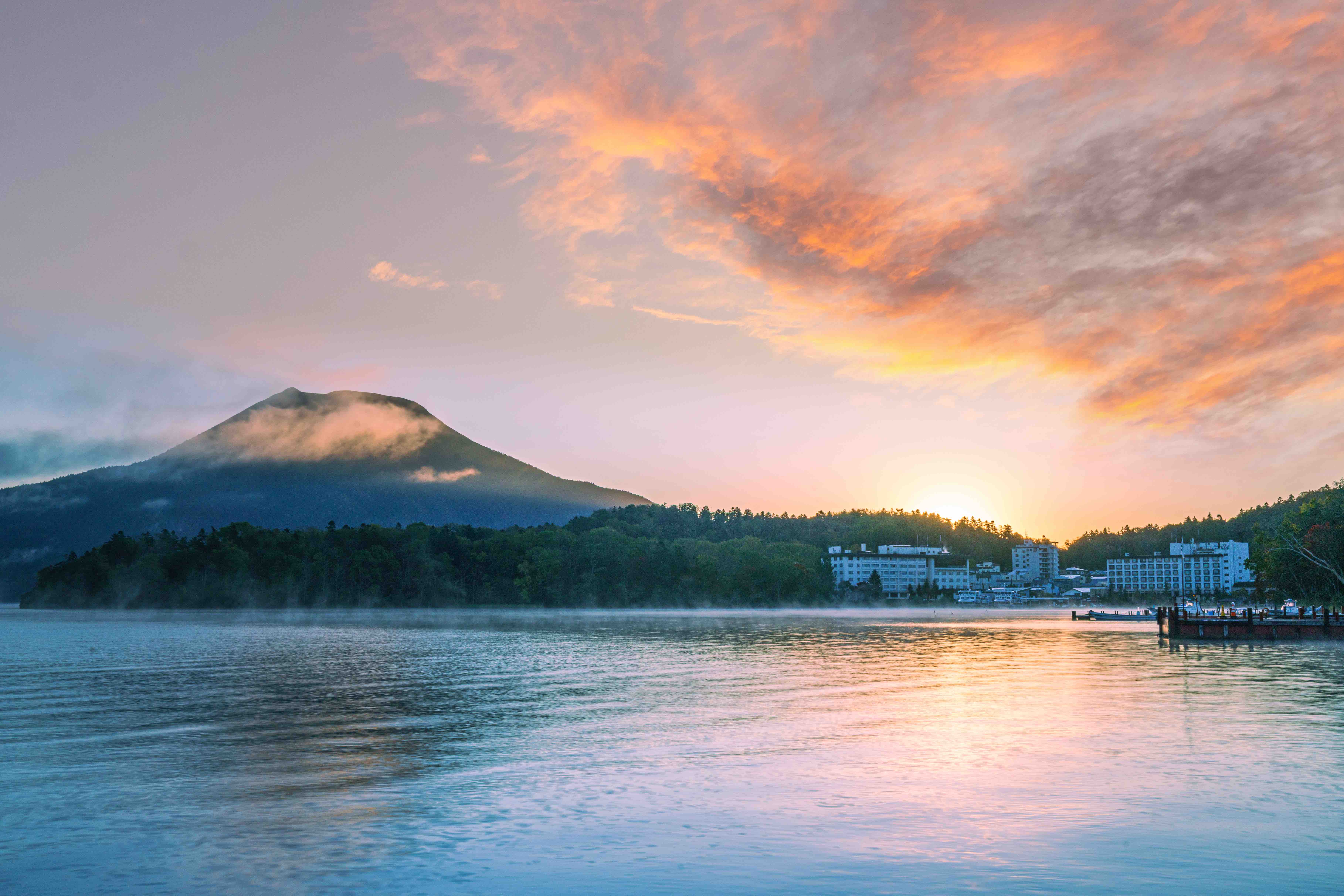
Why finish with Akan?
- This stop lets you slow down after Shiretoko.
- The lakes and onsen bring a different atmosphere to the trip.
- The area fits very naturally into a nature-focused summer circuit.
6. Ideal pace over 5 to 7 days
To link Daisetsuzan, Shiretoko and Akan properly, you need to avoid an overly compressed pace. Over 5 days, the itinerary is still doable but intensive. Over 6 to 7 days, it becomes much more enjoyable, with real leeway for observation points, walks, lakeside breaks or hot-spring accommodation.
- Day 1: arrival and drive to Daisetsuzan.
- Day 2: Daisetsuzan, then head east.
- Day 3: arrival in Shiretoko.
- Day 4: full day in Shiretoko.
- Day 5: drive to Akan.
- Day 6: Akan and relaxation / activities.
- Day 7: return or extension.
💡 The right pace: in northern Hokkaidō, distances often look easy on a map, but the best memories rarely come from an overly tight schedule. Leave room for detours and viewpoints.
7. Driving tips for northern Hokkaidō
Driving in Hokkaidō is often easier than around Japan's big cities, as traffic is lighter and the roads are easier to read. On the other hand, distances are longer and the feeling of isolation can be stronger in some natural areas.
- Plan your fuel stops in advance on long stretches.
- Set off early to make the most of the observation points and the best light.
- Don't overload your days if you plan to walk or go on a nature outing.
- Leave some leeway for the weather, especially in mountain and peninsula areas.
This road trip is well suited to travellers who enjoy driving and watching the landscape change. Here, the journey is not just a transfer: it really is part of the trip.
8. Documents to sort out before driving in Japan
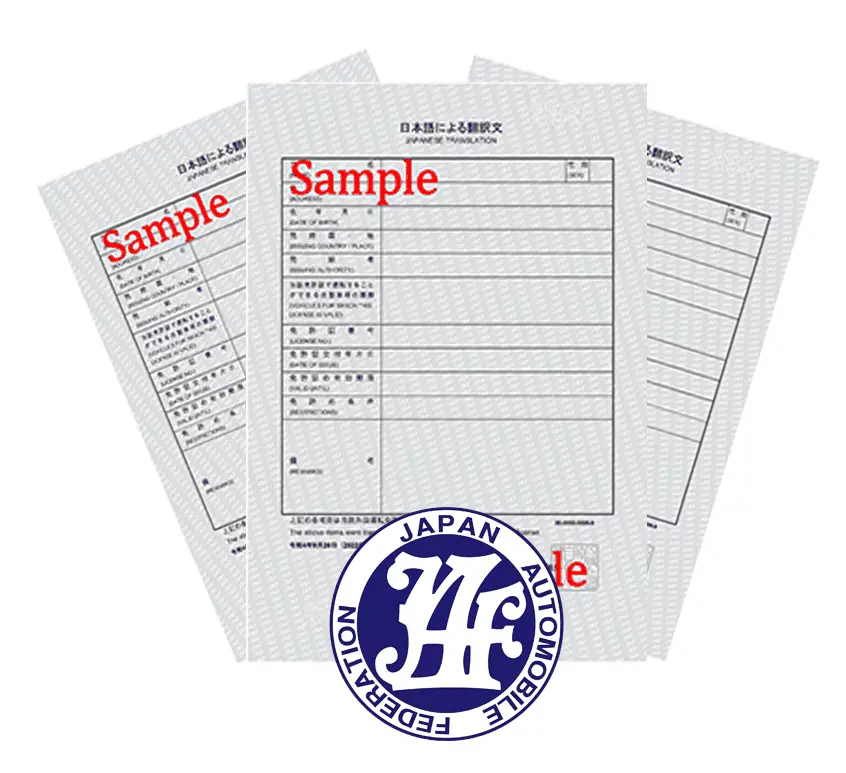
Before booking your car, you need to check which documents are required. The official JAF website explains that translation applications are now made online only and can no longer be submitted at the counter.
The official information document also states that drivers must carry the Japanese translation of their licence together with the original licence when driving in Japan. This preparation remains essential, even for a summer road trip in a region as easy-going as Hokkaidō.
Sort out your JAF translation before you leave
To set off with peace of mind on Hokkaidō's roads, it is best to prepare your official translation well before you arrive. It is one of the most important administrative steps for collecting your vehicle stress-free.
Prepare my JAF translationFAQ: Summer road trip in northern Hokkaidō
Here are the most frequently asked questions before planning a loop through Daisetsuzan, Shiretoko and Akan.
Why choose Hokkaidō in summer for a road trip?
Because the island offers more pleasant temperatures, wide open spaces and terrain that is particularly well suited to driving.
How many days do you need for Daisetsuzan, Shiretoko and Akan?
Five to seven days is a good basis for linking these three regions without driving too fast.
Is Shiretoko really worth the detour?
Yes. It is one of the most unspoilt natural areas in Japan, with very striking landscapes and a real end-of-the-world feeling.
Is a road trip in northern Hokkaidō difficult?
Driving is fairly easy, but distances are longer than in other regions of Japan and you need to manage your pace carefully.
Should you arrange the JAF translation in advance to drive in Hokkaidō?
Yes. For many travellers, it is essential to drive legally in Japan, and it is best to arrange it in advance.