Japan budget (2–3 weeks): transport, accommodation, meals, activities, hidden costs and tips. Daily budget models + eSIM/IC card for a stress-free trip.
Japan continues to captivate travellers from all over the world with its incredible diversity. From the neon lights of Tokyo to the ancient temples of Kyoto, from the snowy landscapes of Hokkaidō to the tropical beaches of Okinawa, few destinations offer such a mix of city, culture and nature in a single country. It is this variety that makes Japan a dream destination.
But when you are planning a trip like this, one question always comes up: how much does a trip to Japan cost? It matters all the more for stays of 2 or 3 weeks, when accommodation, transport, food and sightseeing can quickly add up. Having a complete picture of your budget is the key to a stress-free trip.
In this article, we break down the Japan travel budget for 2 weeks and 3 weeks, with realistic estimates and sample itineraries suited to different travel styles. By the end, you will know what to expect and can plan your Japanese adventure with confidence.
Key factors that affect your budget in Japan
The cost of a trip to Japan is never the same for everyone. Several factors determine your final spending; understanding them is the first step towards building a realistic budget.
Season
Timing plays a major role. The cherry blossom season in spring and the autumn foliage season draw big crowds, which pushes up the price of flights and hotels. Conversely, travelling in summer (outside the busiest tourist periods) or in winter can work out cheaper: a good option for tight budgets.
Destination
Your choice of regions is just as decisive. Big cities such as Tokyo, Kyoto and Osaka generally have higher accommodation and food costs, while regional towns and rural areas are often much more affordable. Your total spending therefore varies greatly depending on the itinerary you choose.
Travel style
Your traveller profile probably has the biggest impact on your daily budget. Backpackers staying in hostels or capsule hotels keep their costs under better control; comfort/mid-range travellers tend to opt for business hotels; at the top end, you find ryokan and resorts. If you are aiming for a genuine budget trip to Japan, adjusting your accommodation and food choices is essential.
Exchange rate
Don't overlook the currency. When the euro or the dollar is strong against the yen, Japan seems surprisingly affordable. Conversely, if the yen strengthens, your money covers fewer experiences for the same budget.
Transport costs in Japan: how to optimise your budget
Transport accounts for a large share of any Japan travel budget. Over 2 or 3 weeks, the way you combine intercity journeys and local transport can make a big difference to your total spending.
JR Pass
For long journeys, the Japan Rail Pass (JR Pass) is a popular option. Available in 14- and 21-day versions, it costs around ¥47,000 for two weeks and ¥60,000 for three weeks. If you are travelling between hubs such as Tokyo, Kyoto or Osaka by Shinkansen, the pass often pays for itself. However, if you mostly stay in one city or only make short trips, single tickets may be cheaper.
Domestic transport (long distances)
- Shinkansen: a one-way Tokyo → Kyoto ticket costs around ¥14,000. It is fast and comfortable, but expensive if used very often.
- Low-cost carriers (LCCs): for long distances (e.g. Tokyo → Sapporo or Fukuoka), budget flights can work out cheaper than the train, with fares from ¥5,000 depending on the season.
- Highway buses: the cheapest option. A Tokyo → Osaka trip often costs ¥3,000–¥6,000 one way. The journey is longer, but ideal for small budgets.
Local transport (cities & urban areas)
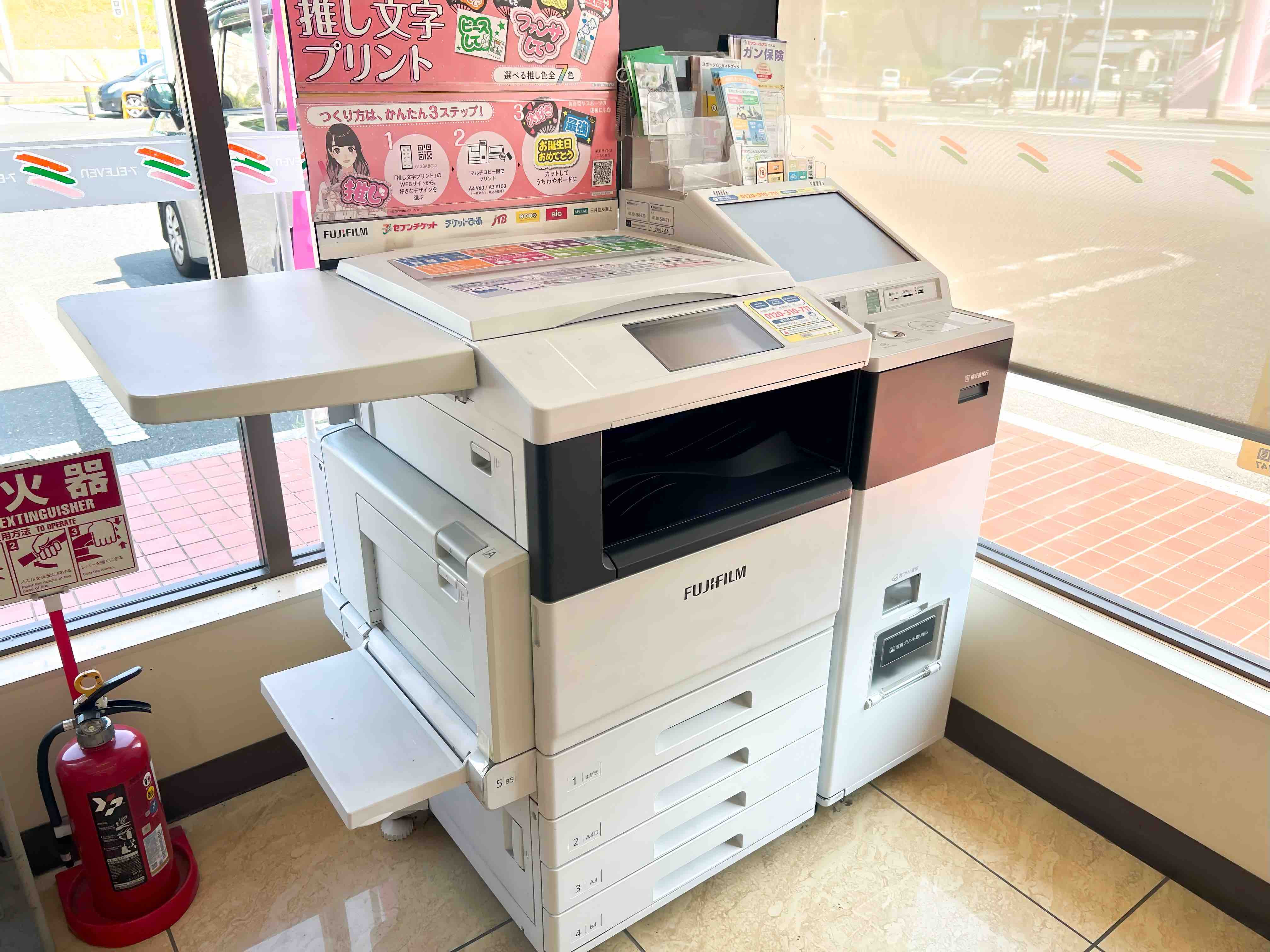
In cities such as Tokyo or Osaka, you will mainly use underground lines and urban trains. The easiest way to pay is with an IC card (e.g. Suica, ICOCA): you simply “tap” it at the ticket gate, and it also works on buses, in some konbini and at vending machines. Many cities offer 1-day passes, which are worthwhile if you make several journeys on the same day.
For a truly smooth trip, think about your internet connection. DrivinJapan lets you order IC cards and eSIMs in advance, so you can use public transport and mobile data as soon as you arrive. Having both transport and connectivity sorted from day 1 saves you time and reduces stress.
Accommodation costs in Japan: estimates by travel style
Accommodation is one of the items that shapes your budget in Japan the most. The type of accommodation you choose has a big effect on your daily spending — a gap that widens over 2 to 3 weeks.
Guesthouses / Capsule hotels
At ¥3,000–¥5,000 a night, hostels and capsule hotels are backpackers' favourites. You will sometimes share dormitories or common areas, but costs stay very low.
2 weeks: approx. ¥42,000–¥70,000 / 3 weeks: ¥63,000–¥105,000
Business hotels
Clean, functional and often close to stations, business hotels cost an average of ¥8,000–¥12,000 a night. They are a reliable mid-range option, especially in big cities.
2 weeks: approx. ¥112,000–¥168,000 / 3 weeks: ¥168,000–¥252,000
Ryokan & onsen stays
For a traditional experience, ryokan and inns with an onsen generally cost ¥15,000–¥30,000 a night, often with meals included and access to the baths. Perfect for creating unforgettable memories.
2 weeks: approx. ¥210,000–¥420,000 / 3 weeks: ¥315,000–¥630,000
Luxury hotels & resorts
Upmarket hotels and exceptional ryokan generally start at ¥40,000 a night, with premium service, fine dining and outstanding locations.
2 weeks: from ¥560,000 / 3 weeks: from ¥840,000
Food budget in Japan: how much to plan for eating?
Japan is often described as a culinary paradise, with an incredible variety of experiences. Your food spending will depend mainly on your choices, but the good news is that there are delicious options at every price.
Budget meals (¥500–¥1,000)
Konbini (convenience stores), gyūdon (beef bowl) chains and ramen-ya serve filling meals for a few hundred yen. Even on a small budget, you won't go without in Japan.
Mid-range meals (¥1,000–¥3,000)
Casual restaurants, izakaya, set-meal canteens (teishoku) and conveyor-belt sushi fall into this range. Ideal between two visits: Japan is renowned for its balanced, tasty and affordable meals.
Exceptional experiences (¥10,000 and up)
For an unforgettable moment, consider high-end sushi counters, kaiseki or traditional ryōtei. These meals often cost more than ¥10,000 per person, but offer a unique immersion in Japanese culinary art.
Sample daily food budgets
- Budget traveller: ~ ¥3,000 (konbini meals + simple restaurants)
- Mid-range traveller: ~ ¥5,000 (set meals, izakaya, casual sushi)
- Luxury traveller: ¥10,000+ (exceptional sushi, kaiseki, fine dining)
Activities & sightseeing: what costs to expect?
Exploring Japan isn't just about getting around or eating: it is also about enjoying a wide variety of activities and sights that make every trip unique. Costs range from free experiences to premium attractions, depending on your itinerary.
Free or low-cost experiences
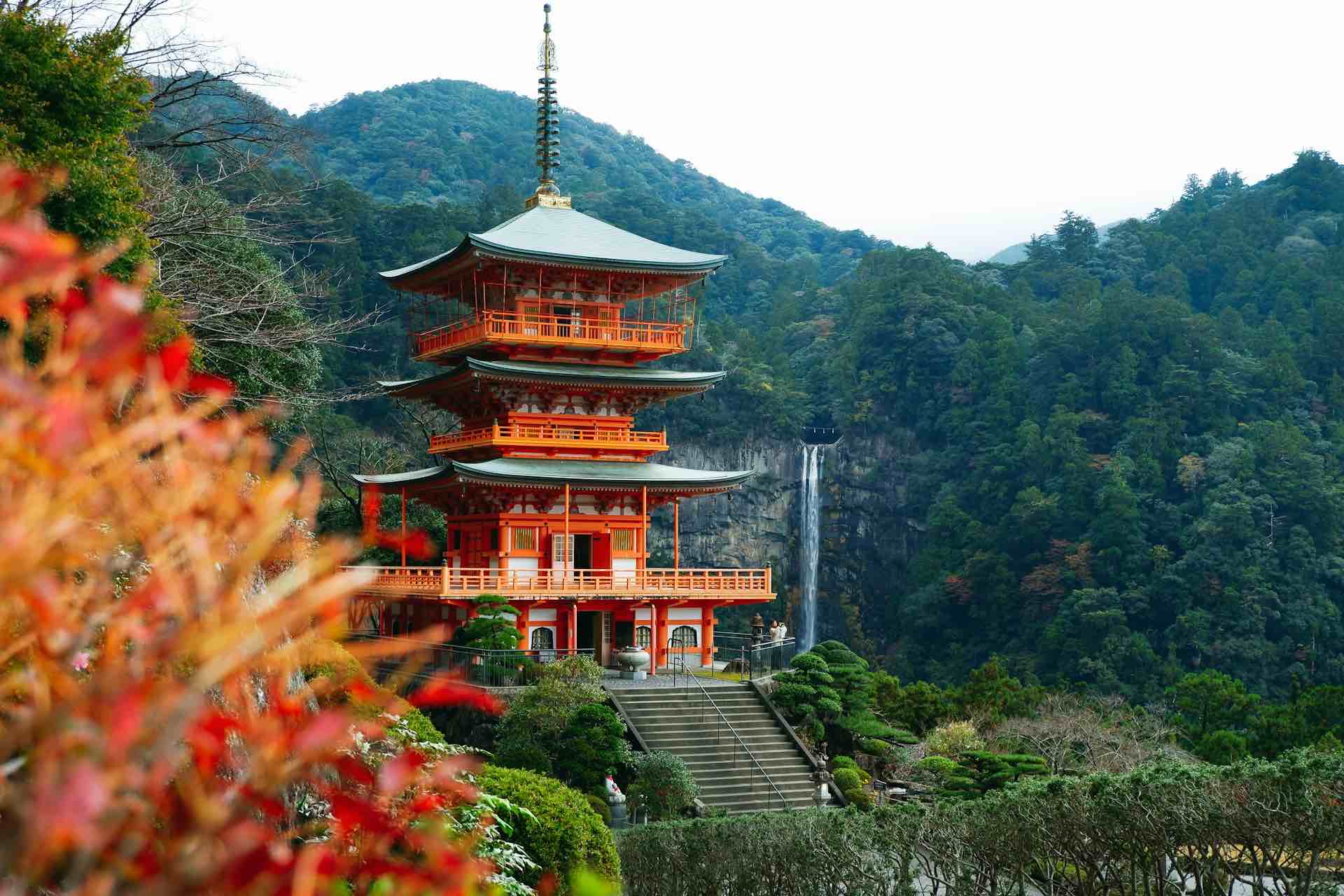
Visiting shrines and temples, strolling through historic districts or spending an afternoon in a public park costs little or nothing. These activities offer an authentic window onto Japanese culture and everyday life. Sometimes, a walk in a peaceful garden or under the cherry blossoms is worth more than many paid experiences.
Paid activities
For the major attractions, plan a bigger budget. Theme parks (Tokyo Disneyland, Universal Studios Japan) charge around ¥8,000–¥10,000 a day. Museums and galleries are more moderate (around ¥500–¥2,000). Hands-on experiences — kimono rental, a tea ceremony, onsen baths — generally cost around ¥2,000–¥5,000. These are often the activities that leave the most lasting memories.
Cost range
Overall, the sightseeing & activities budget ranges from free to around ¥15,000 a day. The amount will depend on the balance you strike between free cultural discoveries and the special experiences you want to add.
Food budget in Japan: how much to plan depending on what you fancy?
Japan is often described as a culinary paradise, with an incredible diversity of experiences. Your food spending will depend mainly on your choices, but the good news is that there are delicious options at every price.
Budget meals (¥500–¥1,000)
Konbini (convenience stores), gyūdon (beef bowl) chains and ramen-ya offer filling meals for a few hundred yen. Even on a small budget, you won't go without in Japan.
Mid-range meals (¥1,000–¥3,000)
Casual restaurants, izakaya, set-meal canteens (teishoku) and conveyor-belt sushi fall into this range. Ideal between two visits: Japan is renowned for its balanced, tasty and reasonably priced meals.
Exceptional experiences (¥10,000 and up)
For a “once in a lifetime” meal, head for high-end sushi counters, kaiseki or traditional ryōtei. These experiences often cost more than ¥10,000 per person but create unforgettable memories.
Sample daily food budgets
- Budget traveller: ~ ¥3,000 (konbini meals + simple restaurants)
- Mid-range traveller: ~ ¥5,000 (set meals, izakaya, casual sushi)
- Luxury traveller: ¥10,000+ (exceptional sushi, kaiseki, fine dining)
Activities & sightseeing in Japan: what costs to expect?
Exploring Japan isn't just about travelling around and eating: it also means a host of activities and sights that make every trip unique. Costs range from free experiences to premium attractions, depending on how you put your itinerary together.
Free or low-cost experiences
Visiting shrines and temples, strolling through historic districts or spending an afternoon in a public park costs little or nothing. These activities offer an authentic window onto Japanese culture and daily life. Sometimes, a walk in a garden or under the cherry blossoms is just as rewarding as a paid experience.
Paid activities
For the major attractions, plan a bigger budget. Theme parks such as Tokyo Disneyland or Universal Studios Japan cost around ¥8,000–¥10,000 a day. Museums and galleries are more affordable (around ¥500–¥2,000), while hands-on experiences — kimono rental, a tea ceremony, onsen baths — generally cost around ¥2,000–¥5,000. These are often the activities that leave the most lasting memories.
Cost range
Overall, spending on sightseeing & activities ranges from free to around ¥15,000 a day. The amount will depend on the balance you strike between free cultural discoveries and the special experiences you decide to add.
Typical daily budgets in Japan (2 and 3 weeks)
Having looked separately at the costs of transport, accommodation, food and sightseeing, the question that comes up most often is a simple one: how much should you plan per day? Here are sample daily budgets by travel style, with estimated totals for stays of 2 and 3 weeks.
Budget traveller (Backpacker)
- Accommodation: approx. ¥4,000
- Food: approx. ¥3,000
- Transport: approx. ¥2,000
- Activities: approx. ¥1,000
→ Total: approx. ¥10,000 / day
Two weeks: approx. ¥140,000 (USD 950 / EUR 880)
Three weeks: approx. ¥210,000 (USD 1,430 / EUR 1,320)
Mid-range traveller
- Accommodation: approx. ¥10,000
- Food: approx. ¥5,000
- Transport: approx. ¥3,000
- Activities: approx. ¥3,000
→ Total: approx. ¥21,000 / day
Two weeks: approx. ¥294,000 (USD 2,000 / EUR 1,850)
Three weeks: approx. ¥441,000 (USD 3,000 / EUR 2,775)
Luxury traveller
- Accommodation: approx. ¥40,000
- Food: approx. ¥10,000
- Transport: approx. ¥5,000
- Activities: approx. ¥5,000
→ Total: approx. ¥60,000 / day
Two weeks: approx. ¥840,000 (USD 5,750 / EUR 5,250)
Three weeks: approx. ¥1,260,000 (USD 8,600 / EUR 7,875)
Hidden costs that are often forgotten
When planning a Japan travel budget, people think about flights, hotels and meals. But some additional costs are frequently overlooked. Factoring them in from the start helps you avoid overspending.
eSIM / Wi-Fi / SIM cards
Staying connected has become essential. Renting a pocket Wi-Fi at the airport generally costs ¥500–¥1,000/day. SIMs/eSIMs often cost between ¥3,000 and ¥6,000 depending on the plan. Remember to include connectivity in your budget.
Travel insurance
Often forgotten, insurance is nonetheless crucial (illness, accident, theft). For a stay of 1 to 3 weeks, typically allow ¥5,000–¥15,000 depending on the cover.
Tourist & onsen taxes
Some regions charge an accommodation tax (around ¥100–¥500 per night) or a hot spring bathing tax (onsen, approx. ¥150). Small on their own, these amounts add up over a long stay or for a family.
Shopping & souvenirs
Crafts, cosmetics, merchandise… In Japan, the temptation is strong. Setting a souvenir budget in advance helps keep spending under control.
Tips for saving money in Japan
Book accommodation early
Accommodation weighs heavily on the budget. In peak season (sakura, koyo), rooms go quickly and prices rise. Booking several months in advance secures better rates.
Use the JR Pass and discounted local tickets
For long distances, the JR Pass is often good value. In cities, consider 1-day passes and regional tickets (underground, buses, local trains) to cut costs.
Eat like a local
Eating three “restaurant” meals every day ends up being expensive. Konbini bento, neighbourhood teishoku and casual izakaya let you eat well without overspending.
Bundle services with DrivinJapan
Ordering transport cards, SIMs/eSIMs and Wi-Fi separately can be costly and time-consuming. With DrivinJapan, you can pre-order IC cards and eSIMs before you leave for smooth travel and connectivity as soon as you arrive — while avoiding unnecessary fees.
Conclusion / Call to action
The strength of a trip to Japan is its flexibility. Whether you are a thrifty backpacker, a mid-range traveller looking for balance, or a fan of ryokan and upmarket hotels: there is a Japan budget for every style.
We have compared 2- and 3-week budgets using realistic models. The key is to choose the approach that suits you so you can plan with complete peace of mind.
For an even smoother journey, sort out the essentials in advance. With DrivinJapan, arrange your IC cards, your eSIMs and even your car rental in one place: transport, connectivity and payments are ready as soon as you land.
FAQ – Japan travel budget
Q1. Is Japan expensive for tourists?
Compared with other Asian countries, Japan is fairly expensive. Compared with Europe or North America, costs are often similar — sometimes lower. With smart choices on accommodation and food, you can enjoy Japan on almost any budget.
Q2. How much should I budget per day in Japan?
It depends on your style: ¥10,000 on a tight budget, approx. ¥20,000–¥21,000 for mid-range, and ~ ¥60,000 for a luxury trip.
Q3. Are two weeks enough in Japan?
Yes, to see the highlights (Tokyo, Kyoto, Osaka) at a comfortable pace. To add Hokkaidō, Kyūshū or Okinawa, 3 weeks (or more) give you much more breathing space to explore.
Q4. What is the cheapest way to get around Japan?
For long distances, highway buses are the cheapest option. In cities, IC cards (Suica, ICOCA…) make local transport easy, efficient and good value.
Q5. Do you need cash in Japan, or is a card enough?
Japan is becoming more and more cashless, but some small restaurants and rural businesses are still cash only. The safest approach: a combination of bank card + IC card + a little yen in cash.