Skip to content

Travelling in Japan in summer: rain, typhoons, heat – what you need to know by car

DrivinJapan

Rainy season, typhoons and scorching heat: how to prepare a road trip in Japan during the summer.

SUMMER & ROAD TRIP

Travelling in Japan in summer: rain, typhoons, heat – what you need to know by car

🚗 Travellers considering Japan in July–August ⏱ Reading time: 10–12 minutes 📅 Updated in 2026

Introduction: a Japanese summer, by car

Japan in summer can be intense: the rainy season, humidity, occasional typhoons and heatwaves are all part of the picture from June to September. Yet many travellers choose this period to enjoy the festivals, the fireworks, the cooler mountains and the freedom a car gives you to get away from the crowded big cities.

So the question is not whether travelling in Japan in summer is “forbidden” or “too risky”, but rather how to adapt your road trip to these realities: understanding the rainy season, knowing the broad outlines of the typhoon season, preparing for the heat and planning your days accordingly.

💡 Key takeaway: summer in Japan is not something to avoid on principle, but it does require a little more planning, especially if you intend to drive and cover a lot of ground .

woman walking umbrella

1. Understanding the summer seasons in Japan

The Japanese summer can be summed up in three main phases: the rainy season at the start, then a period of pronounced heat and humidity, followed by the most active part of the typhoon season around August and September. Airlines and travel guides often point out that June–July are both rainy and already hot, while late July and August see temperatures climb even higher.

French-language guides stress that temperatures regularly exceed 30 °C, or even more, and that the humidity makes the air feel heavy, particularly in the big urban areas. By contrast, some northern regions such as Hokkaidō generally remain more bearable, with less rain and heat than the rest of the country.

Period Main weather features Impact on a trip by car
Early June to mid-July (tsuyu) Frequent rain, high humidity, spells of heavy downpours Visibility sometimes reduced, wet roads, need to plan itineraries with some leeway.
Mid-July to mid-August Intense heat, high humidity, heatwaves in the big cities Fatigue sets in faster at the wheel, need for regular breaks, air conditioning essential.
August–October (typhoons) Typhoons possible, rain and sometimes violent winds, especially between August and September Occasional road closures, need to adjust your itinerary and follow local news.

2. Rainy season: driving through the downpours

The rainy season, tsuyu, generally covers the start of summer, from early June to mid-July, with frequent rainfall across most of Japan, except Hokkaidō. French-language guides describe it as a period of several weeks during which rain can fall at any time, sometimes very heavily.

Driving during this period is still possible, but you have to accept that some days will be devoted more to getting from A to B, to indoor activities and to shorter routes. Good preparation means packing an umbrella, a waterproof jacket and suitable shoes, and making a list of museums, shopping centres or other activities in case the weather makes the road less enjoyable.

Woman walking street Japan

A few good driving habits during tsuyu

  • Slow down and increase your following distance on wet roads.
  • Avoid driving for too long without a break in heavy rain, especially if visibility drops.
  • Plan routes that make it easy to take shelter in the event of a heavy downpour.

3. Typhoons: what they mean for a road trip

Typhoons are tropical storms accompanied by rain and strong winds. Guides explain that the season broadly runs from June to October, with a peak in activity around August–September. Resources for travellers point out that typhoons are regular events in Japan that mainly bring a risk of transport disruption and difficult weather, rather than systematic danger for people who follow the instructions.

For a road trip, the main thing is to stay informed: follow local forecasts, check the alerts, adapt your plans accordingly and be prepared to stay indoors if the situation worsens. Official advice mentions the need to have a minimum of supplies ready (water, food, cash, chargers) and to know where the evacuation point or shelter is if instructions to that effect are issued.

Sky over the Port of Kobe.

If a typhoon is forecast during your road trip

  • Follow local news and the recommendations of the authorities or official apps.
  • Avoid areas likely to flood or be exposed to strong winds, especially along the coast.
  • Plan to stay indoors, close the windows and don’t try to “test” the conditions.

4. Heat and humidity: the real impact behind the wheel

Beyond the rain and typhoons, the other defining feature of the Japanese summer is the heat. Guides point out that temperatures easily exceed 30 °C in the shade, or even more, and that the humidity can sometimes make you feel as if you are melting as soon as you step outside. Travel advice websites also mention heatwaves between July and September, which can be dangerous in case of prolonged exposure.

In the car, this means taking heat-related fatigue seriously: someone driving after a hot day without drinking enough will be less alert. It is advisable to pack light clothing in natural fabrics and a hat or cap, and to drink water very regularly, possibly including the isotonic drinks that are popular in Japan.
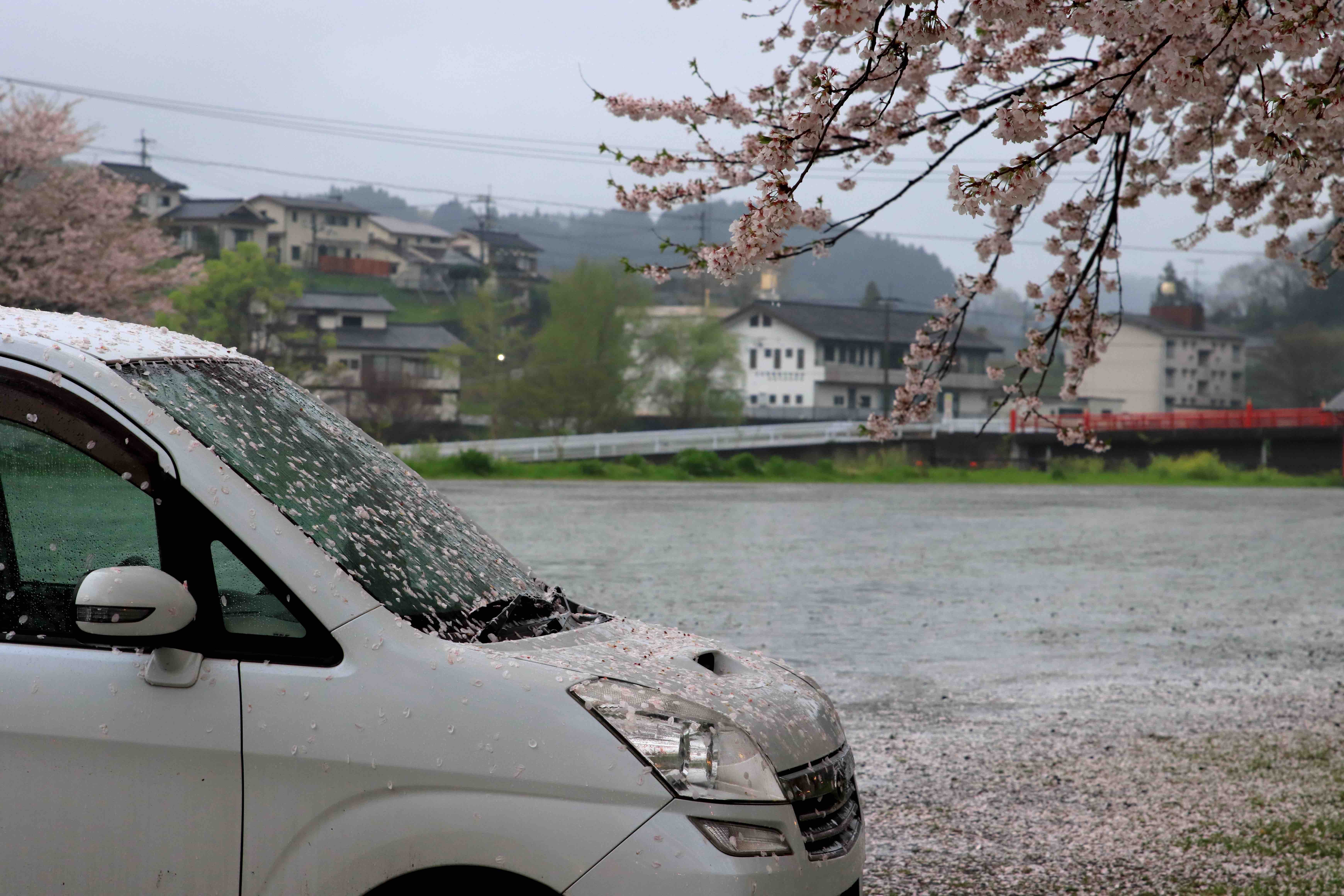
car parked in a car park in Japan, cherry blossom.

Limiting the impact of the heat at the wheel

  • Allow 2–3 litres of water per person per day, as recommended by the guides.
  • Use the air conditioning, but avoid overly sudden temperature differences between outside and inside.
  • Schedule the longest journeys for the morning and keep the hottest hours for breaks, indoor visits or more relaxed activities.

5. Adapting your itinerary and timings

The key to travelling by car in Japan in summer is to build an itinerary with some leeway. Advice websites often recommend favouring less packed days, keeping fallback options (indoor activities, shorter days) and not locking yourself into a rigid schedule when the weather may force changes.

In practical terms, this means: being willing to focus some itineraries on a smaller area, sticking to reasonable distances, particularly during tsuyu and periods of intense heat, and keeping a day or two “flexible” to adjust to whatever the weather decides.

Practical tips for a summer road trip

  • Avoid planning several consecutive days of 4–5 hours’ driving in the full heat.
  • Think about shorter alternative routes in case of a typhoon or heavy rain.
  • Book air-conditioned accommodation, as several guides suggest.

6. Safety and good habits in extreme weather

Advice for travellers emphasises a few simple habits during the typhoon and heavy rain season: keep an eye on road conditions, avoid flooded areas, find out about shelters and don’t hesitate to stay indoors if there is an alert. In the car, this means not attempting to drive through visibly flooded stretches and following the instructions given by the local authorities.

Official sources from several countries also remind travellers to have cash, essential medicines, food and water on hand, as well as a way to charge their devices in the event of prolonged disruption. These recommendations are particularly relevant for travellers venturing outside the big cities.

7. Documents and preparations for driving in summer

Finally, even before talking about the weather, you need to check that you meet the requirements to drive in Japan. Tourist information websites point out that administrative formalities and licence questions should be sorted out before departure so you can travel with peace of mind. Depending on your country, this may involve an official translation of your licence or a specific document to present alongside your original licence.

Whatever the format, it is advisable to always keep the essentials close at hand: your licence, the supplementary document or translation, the rental contract, the assistance contact details, emergency numbers and a minimum of practical information about the region you are driving in. A summer road trip that is well prepared on the administrative side is much easier to manage when the weather turns difficult.

Getting your documents ready before driving in Japan in summer

Before mapping out your route between cities, mountains and coastline, take the time to check which documents are required to drive in Japan for your country, and prepare your copies, translations and useful contacts. It is one of the best investments of time and energy to keep your road trip enjoyable, even in rain or a typhoon.

Check my options for driving in Japan

FAQ: Travelling in Japan by car in summer

Here are the answers to the most frequently asked questions about summer weather in Japan and driving during this period.

When is the rainy season in Japan?

The rainy season generally runs from early June to mid-July, with frequent showers and high humidity, except in Hokkaidō.

When is the typhoon season in Japan?

Typhoons can occur from June to October, with a peak in activity around August–September according to several guides.

Is it a good idea to rent a car in Japan in summer?

Yes, if you adapt your plans to the heat, the rain and any typhoons, and if you build safety margins into your itinerary.

What are the main risks for a summer road trip?

Tiring heat and humidity, sometimes very heavy downpours, and occasional disruption to transport or roads in the event of a typhoon.

How can I prepare in practical terms to drive in Japan in summer?

Check your driving documents, pack water, light clothing and sun protection, and keep some leeway in your schedule to adapt to the weather.



Driving in Japan with DrivinJapan
Travel Japan with peace of mind

Everything you need to drive and stay connected in Japan

Before you get behind the wheel in Japan, make sure you have the right documents and a reliable internet connection from the moment you land. DrivinJapan supports you with simple, fast and official solutions.

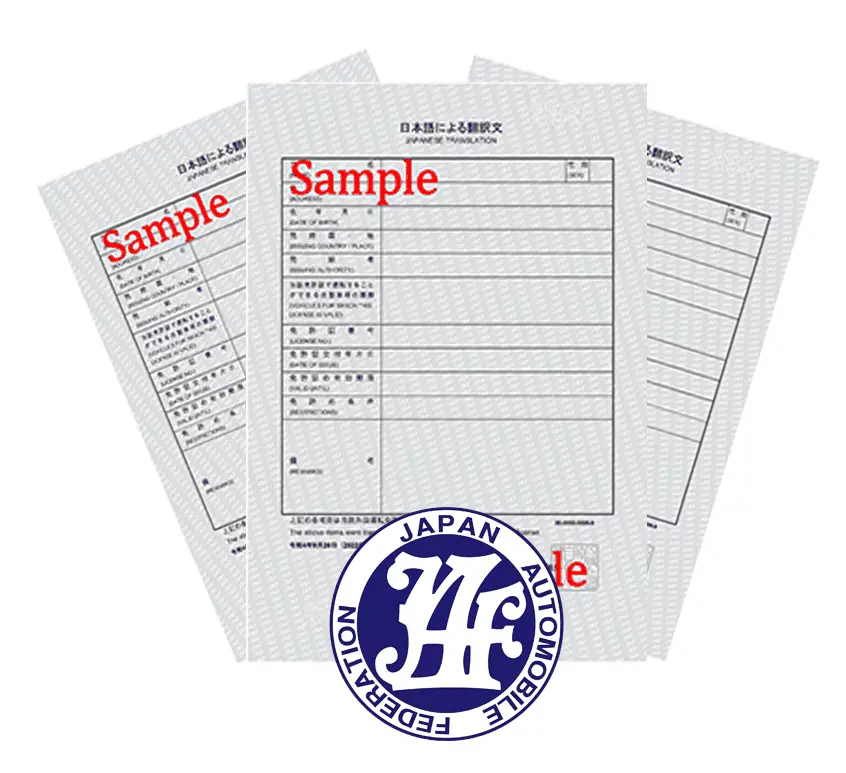
  • Official JAF translation of your driving licence for Japan
  • Japan eSIM: internet from the moment you land
  • A simple, stress-free process

DrivinJapan · Depuis 2017

La référence pour obtenir votre traduction JAF depuis l'Europe

15 000+ permis traduits 4,9/5 sur Trustpilot

Pourquoi passer par DrivinJapan ?

Comparatif entre une demande directe à la JAF et DrivinJapan
Critères Demande directe à la JAF DrivinJapan
Commande depuis l'étranger Démarches pensées pour les résidents au Japon 100 % en ligne, depuis l'Europe ou ailleurs
Langue & support En japonais ou en anglais Support en français par WhatsApp et e-mail
Démarches Formulaires japonais à remplir seul Formulaire simple en quelques minutes, documents vérifiés
Paiement Paiement compliqué depuis l'étranger Paiement sécurisé par Stripe : carte, Apple Pay, Google Pay
Modes de livraison Options limitées Code 7-Eleven, livraison au Japon ou envoi à domicile
Accompagnement Pas de suivi personnalisé Une équipe joignable directement sur WhatsApp

Qui est concerné

Six pays, une obligation

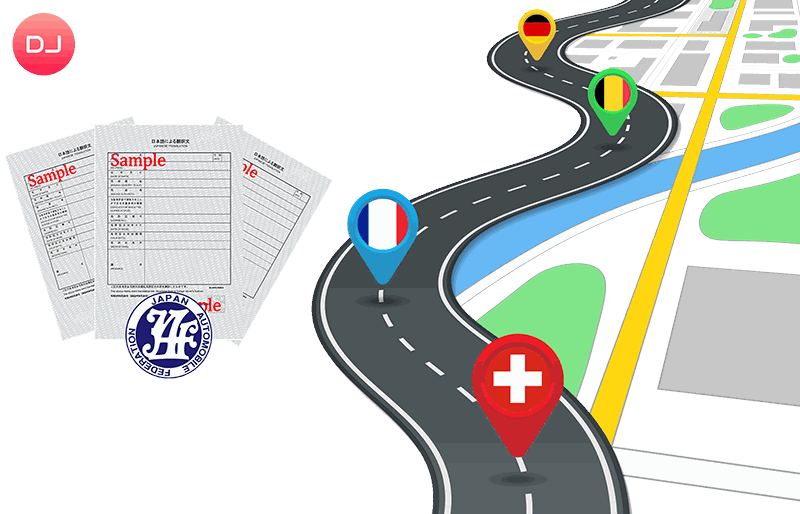
Si votre permis a été délivré dans l'un de ces pays, la traduction officielle JAF est obligatoire pour louer un véhicule ou conduire au Japon. Le permis international ne la remplace pas.

Carte des pays dont le permis nécessite une traduction JAF pour conduire au Japon

Permis concernés

  • France
  • Belgique
  • Suisse
  • Allemagne
  • Monaco
  • Taïwan

Votre permis d'origine reste indispensable : la traduction se présente toujours avec lui, jamais seule.

Commander ma traduction

Tarifs

Deux services, un seul objectif : partir tranquille

Les prix sont indiqués toutes taxes comprises. Une question avant de commander ? Le chat en bas à droite est relié à notre équipe, au Japon.

Paiement sécurisé · Traduction délivrée par la Japan Automobile Federation · Livraison au Japon ou impression en konbini

Avant de prendre le volant

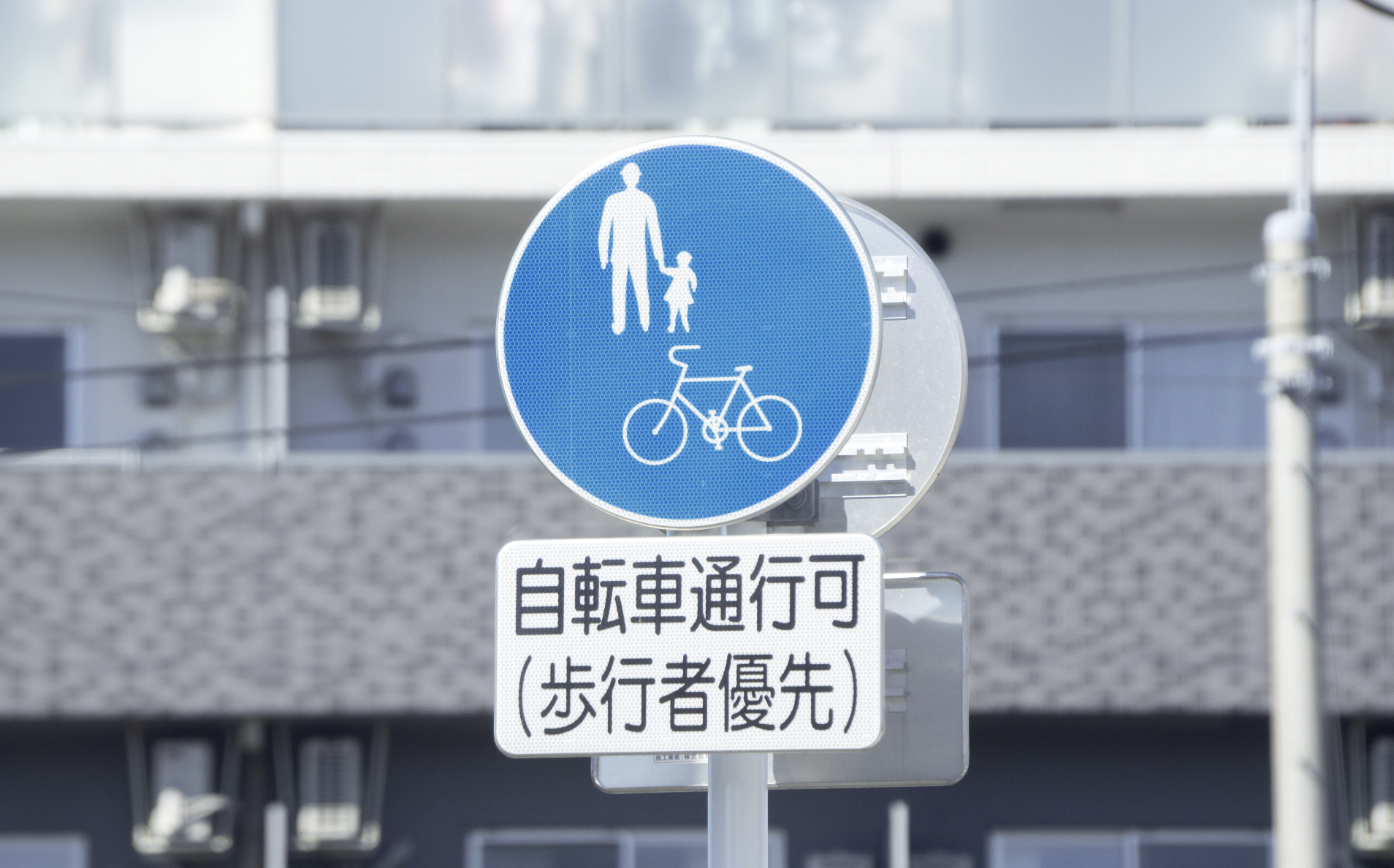
Les panneaux de signalisation au Japon

Voir le guide complet →

Le blog

Voyage au Japon, eSIM et traduction de permis

Tous les articles →

Questions fréquentes

Tout ce qu'on nous demande avant de commander

La traduction officielle JAF, la commande en ligne, les délais, l'impression en konbini et la protection de vos données. Une question qui n'est pas ici ? Le chat en bas à droite est relié à notre équipe.

Général

Puis-je conduire avec mon permis international au Japon ?

Si votre permis a été délivré en Suisse, Belgique, France, Monaco ou à Taïwan, une traduction officielle JAF (Japan Automobile Federation) est indispensable pour conduire légalement au Japon. La demande peut se faire auprès de la JAF sur place, mais leur service n'est pas accessible depuis l'étranger. DrivinJapan vous permet de l'obtenir à l'avance, avant votre arrivée. Depuis 2017, plus de {{ site.clients.fr }} voyageurs sont passés par nous.

Comment fonctionne la procédure avec DrivinJapan ?

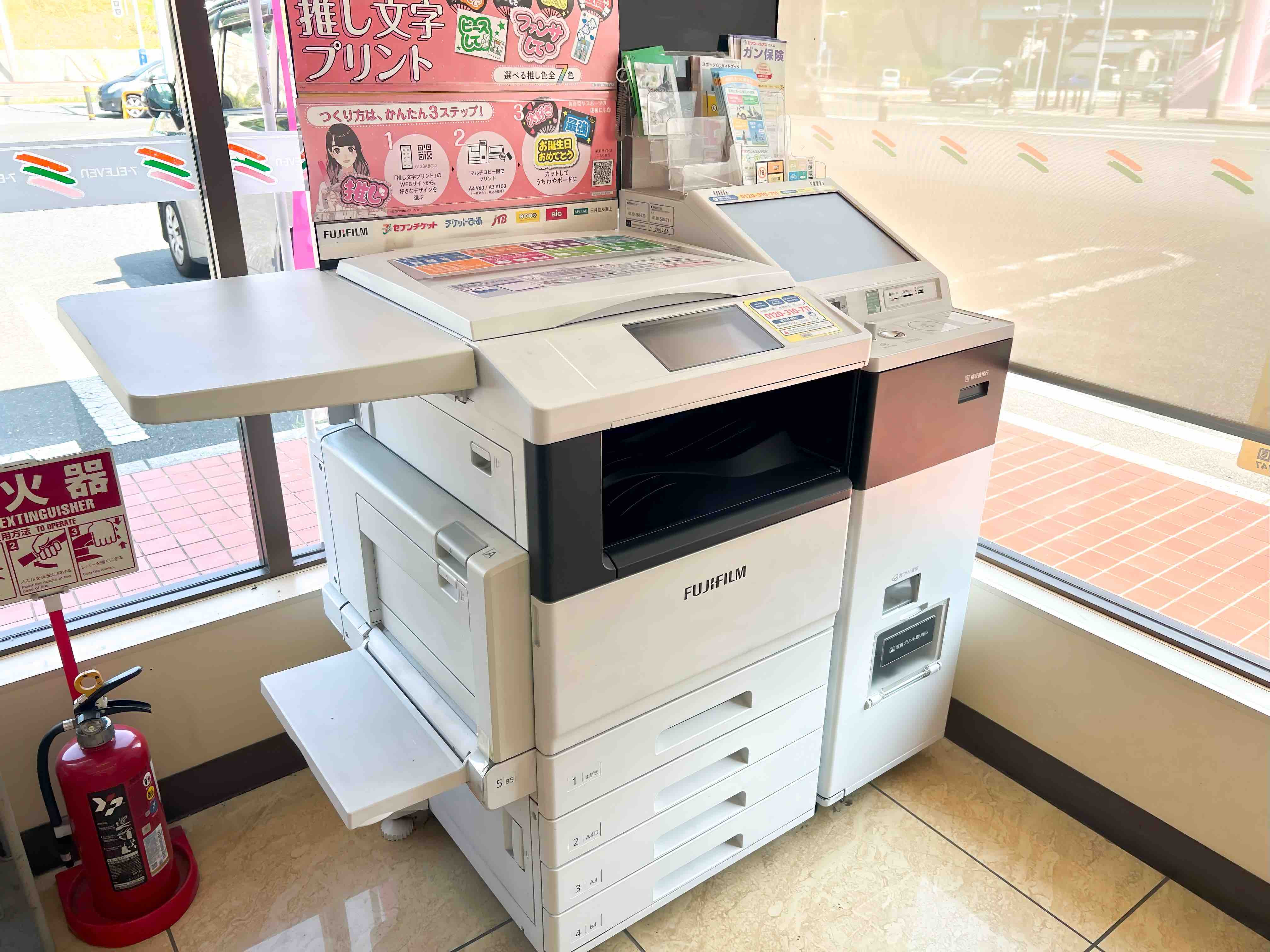
Vous téléversez le recto et le verso de votre permis. Notre assistant remplit le formulaire, puis transmet votre demande à la JAF. Vous recevez ensuite un code d'impression et les instructions par e-mail. Une fois au Japon, vous imprimez votre traduction dans n'importe quel 7-Eleven, FamilyMart ou Lawson. Une option EXPRESS permet d'obtenir la traduction en 1 à 2 jours ouvrés.

Qui accepte cette traduction au Japon ?

Il s'agit de la traduction officielle de la JAF. Elle est acceptée par toutes les agences de location du pays, par les forces de l'ordre et par les compagnies d'assurance.

Combien de temps la traduction est-elle valable ?

Elle reste valable tant que votre permis d'origine l'est. Si votre permis expire ou si vous le renouvelez, une nouvelle traduction est nécessaire.

La traduction seule suffit-elle pour conduire ?

Non. Vous devez toujours présenter votre permis original et la traduction ensemble. Votre passeport est également exigé pour louer un véhicule. Le permis international n'est pas accepté par les agences de location.

Puis-je conduire dès mon arrivée au Japon ?

Oui. Vous pouvez imprimer votre traduction dès l'aéroport, à Tokyo comme à Osaka. Dès l'impression faite et votre permis original en poche, vous êtes en règle. Aucun délai d'attente ni démarche supplémentaire.

Commande et documents

Quels types de permis acceptez-vous ?

Les permis français, belges, suisses, allemands, monégasques et taïwanais en cours de validité. Le permis doit avoir été obtenu depuis plus de trois mois et être lisible.

Puis-je commander pour plusieurs personnes ?

Oui, jusqu'à cinq traductions par commande. Chaque personne fournit le recto et le verso de son permis. Au-delà de cinq, contactez-nous directement.

Quelle qualité de scan est requise ?

300 DPI au minimum. Le document doit être net, sans reflet, avec toutes les informations visibles. Une photo prise avec un smartphone récent convient si elle est bien cadrée et nette.

Que faire si mon permis est abîmé ou ancien ?

Contactez-nous avant de commander. Nous évaluons si la traduction reste possible. Dans certains cas, un permis de remplacement sera nécessaire au préalable.

Délais et livraison

Quels sont les délais de traduction ?

{{ site.delais.traitement.fr }} en moyenne, hors week-ends et jours fériés. Les commandes reçues avant midi sont souvent traitées le jour même. Pour une urgence, écrivez-nous directement.

Comment suivre ma commande ?

Connectez-vous sur www.drivinjapan.com/login avec votre e-mail et votre référence de commande.

Comment fonctionne le retrait en konbini ?

Une fois la traduction validée, nous l'envoyons vers le réseau d'impression. Vous recevez un code de retrait par e-mail, à présenter dans n'importe quel 7-Eleven du Japon — plus de 21 000 magasins.

Combien de temps le code d'impression est-il valide ?

Sept jours. La date d'expiration est indiquée dans l'e-mail qui vous est envoyé.

Puis-je imprimer ailleurs que dans un 7-Eleven ?

Oui, les bornes FamilyMart et Lawson fonctionnent également.

Puis-je imprimer chez moi ou hors du Japon ?

Non. L'impression doit impérativement se faire dans un konbini au Japon : 7-Eleven, FamilyMart ou Lawson.

Et si je n'ai pas imprimé avant l'expiration du code ?

Contactez-nous immédiatement par e-mail ou WhatsApp. Nous pouvons émettre un nouveau code dans les 30 jours suivant l'envoi du premier.

Puis-je modifier ma commande après paiement ?

Oui, tant que la traduction n'a pas commencé — en pratique dans les deux heures suivant la commande. Écrivez-nous sans attendre par WhatsApp ou e-mail.

Problèmes et solutions

Que faire en cas d'erreur dans la traduction ?

Toute erreur de notre fait est reprise gratuitement. Signalez-la dans les sept jours suivant la réception : nous fournissons une version corrigée sous un à deux jours ouvrés.

Combien de fois puis-je imprimer la traduction ?

Le code d'impression n'est utilisable qu'une seule fois. En cas de perte du document, une nouvelle commande est nécessaire.

Et si l'agence de location refuse ma traduction ?

C'est très rare, puisqu'il s'agit du document officiel de la JAF. Si cela arrive, contactez-nous immédiatement : nous intervenons auprès de l'agence, et nous remboursons intégralement si le refus était justifié.

Mon permis expire pendant mon séjour, que faire ?

La traduction devient invalide en même temps que votre permis. Vous devez cesser de conduire dès l'expiration. Anticipez le renouvellement avant le départ.

Puis-je obtenir un remboursement ?

Le remboursement n'est plus possible une fois votre permis transmis à la JAF. Aucun remboursement n'est effectué en cas d'annulation de voyage, quel qu'en soit le motif.

Technique et sécurité

Mes données personnelles sont-elles sécurisées ?

Oui. Chiffrement SSL, serveurs situés en Europe, suppression automatique de vos documents au bout de 90 jours. Vos informations ne sont jamais transmises à des tiers non autorisés.

Quels moyens de paiement acceptez-vous ?

Toutes les cartes bancaires — Visa, Mastercard, American Express — via Stripe, avec l'authentification 3D Secure de votre banque.

Puis-je payer en plusieurs fois ?

Le paiement fractionné n'est pas proposé pour ce service compte tenu du montant. Votre banque peut en revanche proposer un débit différé selon votre contrat.

Comment contacter le support client ?

Par WhatsApp ou par e-mail à support@drivinjapan.com, sept jours sur sept. Nous répondons généralement sous deux heures en journée et sous 24 heures le week-end.

Espace client

Vous avez déjà commandé ?

Suivez l'avancement de votre traduction en ligne, à tout moment, depuis votre espace personnel.

  1. 01

    Connectez-vous

    Avec l'e-mail et la référence de commande reçus après votre paiement.

  2. 02

    Suivez chaque étape

    Dossier reçu, transmis à la JAF, traduction émise, code d'impression envoyé.

Accéder à mon suivi

Identifiants non reçus ?

Offert avec chaque traduction

La DJ E-Card

Une carte de réductions chez nos partenaires au Japon, envoyée automatiquement après votre commande de traduction. Vous n'avez rien à demander.

La DJ E-Card DrivinJapan et ses offres partenaires Gratuit

Comment ça marche

Une fois votre commande passée, vous recevez la DJ E-Card par e-mail avec votre code personnel. Il suffit de le présenter chez nos partenaires pour profiter de leurs offres réservées.

Les conditions

La carte est gratuite pour toute commande de traduction, sans montant minimum. Le code est valable un an chez l'ensemble des partenaires participants.

  • Prix0 €
  • Validité1 an
  • EnvoiPar e-mail

Avis clients

Ce qu'en disent les conducteurs

Tous nos avis sont publiés sur Trustpilot, où nous n'avons ni le pouvoir de les modifier ni celui de les supprimer.

  • Avis vérifiés Trustpilot
  • Paiement sécurisé Stripe
  • Depuis 2017 au Japon
  • Le service de traduction a été facile et rapide. Mais surtout le service après-vente a été impeccable. Après plusieurs semaines sans changement de statut de ma commande, j’ai contacté Drivinjapan par mail qui ont répondu immédiatement. Ma commande avait été retournée au Japon suite à l’échec de Chronopost en France. Drivinjapan a organisé rapidement et sans frais supplémentaire un deuxième envoi que nous avons suivi. Heureusement car Chronopost a de nouveau livré mon enveloppe à une autre adresse!

    Cathy K. 5 Juin 2026
  • Veryfast and trustful help I didn't know that I need a japanese translation of my driver license. DrivinJapan helped me very fast with a good communication. Thank you very much!

    Daniel S. 26 Juillet 2026
  • Service client efficace. Le support de Drivin Japan est vraiment efficace et rigoureux. À mon arrivée au Japon, l'équipe a trouvé une solution au problème de livraison que j'avais rencontré en France. En effet, je n'avais pas reçu la traduction de mon permis de conduire en raison d'un problème avec le service de livraison. Le support a alors fait parvenir ma traduction au bureau de poste de Shinjuku. J'ai ainsi pu récupérer très facilement la traduction japonaise de mon permis. Un grand merci à toute l'équipe de Drivin Japan pour ses efforts, son professionnalisme et son efficacité.

    Mehdi M. 4 Juillet 2026
  • Facile, rapide et efficace. Le meilleur moyen d’obtenir sa traduction de permis sans se prendre la tête

    Fannie O. 18 Juin 2026
  • Service sérieux. Service sérieux, contact via whatsapp rapide et efficace. Impression du document facile une fois sur place. Difficile de ne pas trouver un 7 eleven. Même en ne cherchant pas, vous en croisez forcément un.

    Jay B. 18 Octobre 2026
  • Parfait. Réactifs, clairs, pratique, je recommande vivement

    Jean-Christophe B. 12 Juin 2026
  • Fantastic service! Fantastic service!! I didn’t realise I needed the translation and needed it urgently for my car hire plans. The customer support is extremely responsive and helpful and I got my translation in <1 working day!

    Georgia S. 3 Juin 2026
  • perfect and quick. no problems, easy submission etc. We got the translation quickly and the customer service was always helpful, answering all our questions

    Jessica K. 12 Mai 2026
  • Excellent ! Deuxième fois avec cet organisme Réponse hyper rapide, accompagnement et un résultat excellent car le permis de conduire a été délivré comme promis sans aucun souci Je recommande à tous les amis.

    Marie B. 8 Avril 2026
  • Equipe très reactive. Equipe très reactive. J'avais un doute sur la procedure, j'ai eu une réponse à mon mail dans les 12h. Compte tenu du decalage horaire, rien à dire, ils sont très pro. Je recommande.

    Frederic S. 2 Avril 2026
  • EIn ewiger Dankbarkeit. I tried to get a driver’s license translation after my arrival in Japan.. it was impossible to get it through the JAF system! DrivinJapan literally saved my trip by providing the paper immediately. Thanks again to the friendly professionals who took care of my problem at the helpdesk. Laurent CH/VD

    Jean-Laurent H. 3 Mars 2026
  • I needed my license translated ASAP, and the service I received was impeccable. The support team was fast and responsive, and we got our license translated in less than three hours.

    Matteo F. 24 Février 2026
  • Ils ont été super accessible. Mes codes ne fonctionnaient pas mais ils ont été super réactif. Je recommencerai avec eux !

    Veherani G. 5 Février 2026
  • Der Kundenservice ist wirklich exzellent. Ich habe innerhalb einer Woche die Übersetzung meines Führerscheins nach Deutschland geschickt bekommen. Die Mitarbeiter in Japan reagierten sofort auf Fragen, das ist in Deutschland-leider- nicht immer der Fall. Unbedingt empfehlenswert

    Dagmar P. 4 Février 2026
  • Impeccable. Un contact facile, efficace et très sympathique. Des délais parfaitement respectés. Des gens prêts à répondre à vos questions même après le séjour. Franchement, une superbe expérience. Je recommande à tous ceux qui veulent faire traduire leur permis pour le Japon.

    Veronique B. 22 Janvier 2026
Lire tous les avis sur Trustpilot

Notre réseau

Les organisations avec qui nous travaillons

Découvrir chaque partenaire →

Location de véhicules, connectivité, médias, institutions : nous sélectionnons des prestataires que nos clients utilisent réellement pendant leur séjour.

Nos interlocuteurs quotidiens

La Japan Automobile Federation délivre les traductions officielles, Japan Post les achemine. Connaître leurs procédures est ce qui nous permet de tenir nos délais. Nous ne sommes affiliés officiellement à aucune des deux.

Japan Automobile Federation Japan Post

Certains liens de cette page sont des liens d'affiliation : si vous réservez par leur intermédiaire, DrivinJapan peut percevoir une commission, sans surcoût pour vous.

Paiement

Commandez et payez en toute sécurité

La transaction est traitée par des processeurs de paiement reconnus. Vos coordonnées bancaires ne transitent jamais par nos serveurs et ne sont jamais conservées par DrivinJapan.

Moyens de paiement acceptés

  • Visa
  • Mastercard
  • American Express
  • PayPal
  • Apple Pay
  • Samsung Pay
  • Google Pay
  • Connexion chiffrée de bout en bout
  • Authentification 3D Secure de votre banque
  • Aucune donnée bancaire stockée chez nous

La démarche

Quatre étapes, entièrement en ligne

De l'estimation au volant, sans guichet ni courrier à envoyer depuis l'étranger.

  1. 01

    Calculez votre tarif

    Le formulaire en ligne vous donne une estimation immédiate, sans engagement.

  2. 02

    Envoyez votre permis

    Une photo du recto et du verso suffit. Notre assistant remplit le formulaire JAF à votre place.

  3. 03

    Payez en ligne

    Transaction sécurisée, aucun déplacement, aucun guichet à affronter en japonais.

  4. 04

    Conduisez au Japon

    Vous récupérez votre traduction et prenez la route en toute légalité dès votre arrivée.

Destinations

Les villes emblématiques du Japon

Les 47 préfectures →

47 préfectures

Explorer le Japon, région par région

Voir la carte interactive →

Chaque page réunit les routes à emprunter, les particularités locales de conduite et ce qu'il y a à voir une fois sur place.