In 2026, Japan is introducing a default 30 km/h limit on narrow residential streets. Find out about the new rules, the risks for foreign drivers and our tips for adapting your road trip and your driving in town.
Driving in Japan
Driving in residential neighbourhoods in Japan in 2026: the new 30 km/h limit and tips for a stress-free road trip
In 2026, Japan is introducing a default 30 km/h limit on narrow residential streets. Find out about the new rules, the risks for foreign drivers and our tips for adapting your road trip and your driving in town.
1. Why Japan’s narrow streets call for extra care
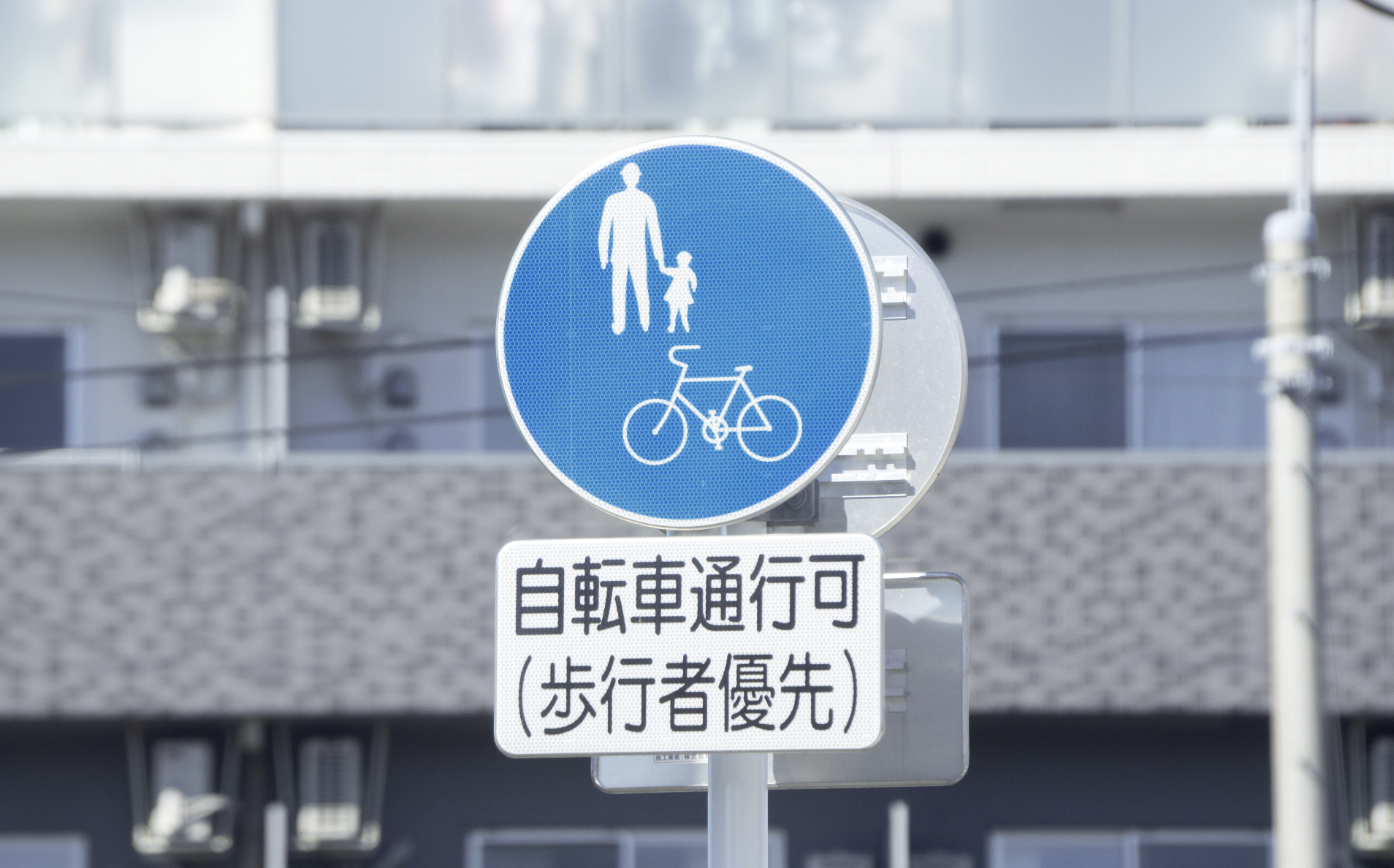
In many Japanese residential neighbourhoods, the streets are very narrow, with no pavement, and pedestrians, cyclists and sometimes children share the road with cars.
These streets are nothing like the main urban roads in Europe: visibility is limited, there are lots of driveways and residents often walk or cycle just a few centimetres from vehicles.
With the return of mass tourism and a growing interest in “authentic neighbourhoods”, the risk of accidents in these mixed-use areas increases if foreign drivers keep habits of driving too fast.
2. The new 30 km/h rule
In 2026, Japan is preparing a significant change: the default limit on certain narrow residential streets without a speed sign is due to be lowered from 60 km/h to 30 km/h from September 2026.
The measure specifically targets small streets where pedestrians and vehicles share the space, in order to reduce the force of potential collisions and better protect residents.
Good to know
For anyone driving a rental car, this means you should expect areas where driving “as if on a country road” will be not only dangerous but also penalised.
3. A reminder of speed limits in Japan
| Type of road | Default limit |
|---|---|
| Ordinary road without a sign | 60 km/h |
| Expressway (private car) | 100 km/h (up to 120 km/h on certain sections) |
| Zone 30 (schools, some neighbourhoods) | 30 km/h |
| Narrow residential street (from Sept. 2026) | 30 km/h by default |
The announced lowering of the default limit on narrow residential streets is part of this broader trend: a clear priority on safety and on protecting vulnerable road users.
4. Impact on foreign road-trippers
This regulatory change comes as Japan is still expecting more than 41 million international visitors in 2026, with a strong presence of European and North American travellers.
At the same time, the country is tightening several aspects of road safety: stricter rules on licence conversion for residents and tougher criteria for “dangerous driving” (speeding, alcohol).
For road-trippers, it is not just about avoiding fines: an accident on a residential street can have serious consequences in terms of criminal liability, rental insurance and the rest of your trip.
5. Adapting your urban route
When planning a road trip in Japan, it is wise to limit complicated urban stretches and to favour ring roads and wider roads, then reach residential neighbourhoods on foot or by public transport.
The regions that focus on more “slow” tourism (Hokkaidō, Tōhoku, Kyūshū, Shikoku) also offer plenty of spectacular rural stretches where driving is smoother and less stressful, while still governed by clear speed limits.
In town, it is better to accept driving very slowly on small streets, plan your U-turns ahead and not hesitate to use the pay car parks near stations rather than trying to park in front of your accommodation at all costs.
6. Checklist before driving in town
1
Check the type of road and whether there is a 30 km/h sign.
2
Look out for pedestrians, cyclists and children, even where there is no pavement.
3
Adjust your speed to the surroundings, not just to the sign.
Strictly respect the ban on drink-driving (very low legal limit of 0.03% BAC) and check the terms of your rental insurance in the event of dangerous driving or an accident in a residential area.
7. FAQ
Does the new 30 km/h limit already apply everywhere in 2026?
No, the reduction to 30 km/h concerns narrow residential streets without signs, and it is due to come into force from September 2026; until then, the default limit remains 60 km/h unless otherwise indicated.
How can I recognise a street where I clearly need to drive at 30 km/h or less?
If the street is very narrow, with no pavement, with houses, children, bicycles and cars parked on both sides, you need to drive very slowly even without a sign, because these are precisely the streets targeted by the rule change.
What penalties could apply for serious speeding in a residential area?
Beyond 50 km/h on a road limited to 60 km/h, the offence may count as “dangerous driving”, with heavier penalties than simple negligence, particularly if anyone is injured or killed.
Are speed limits different for foreigners?
No, the limits are the same for everyone, but in practice foreigners are often less used to narrow streets, which increases the risk of an offence or accident if you drive at speeds similar to those on European roads.
Can I still enjoy a great, stress-free road trip in Japan despite these new rules?
Yes, because these measures are mainly aimed at making sensitive areas safer; by planning your route carefully, favouring regional roads and keeping a safety margin on your speed, you can carry on making the most of the car to discover less-visited regions.
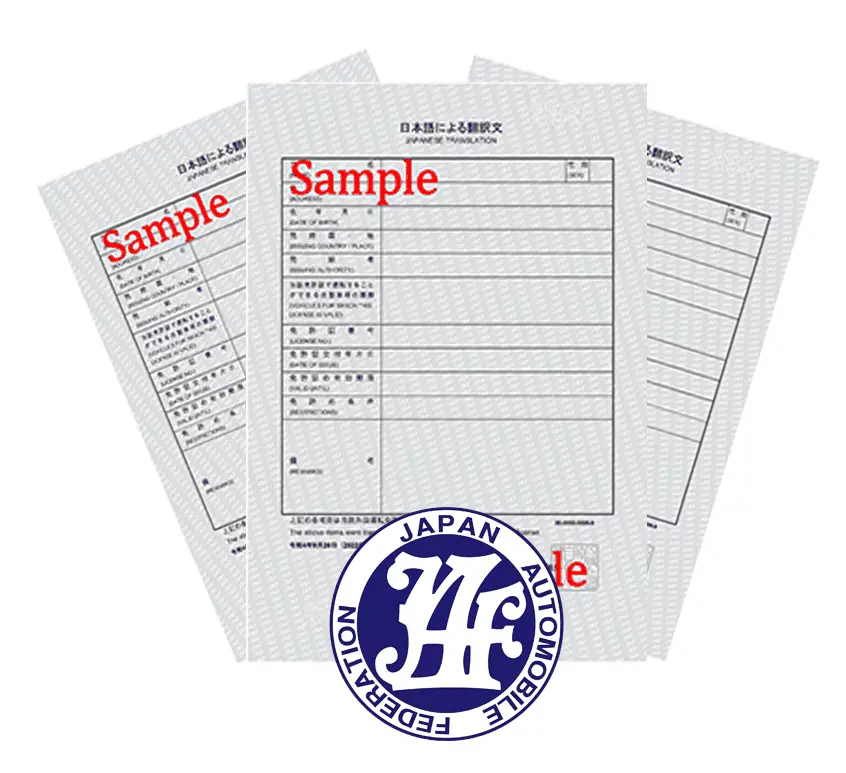
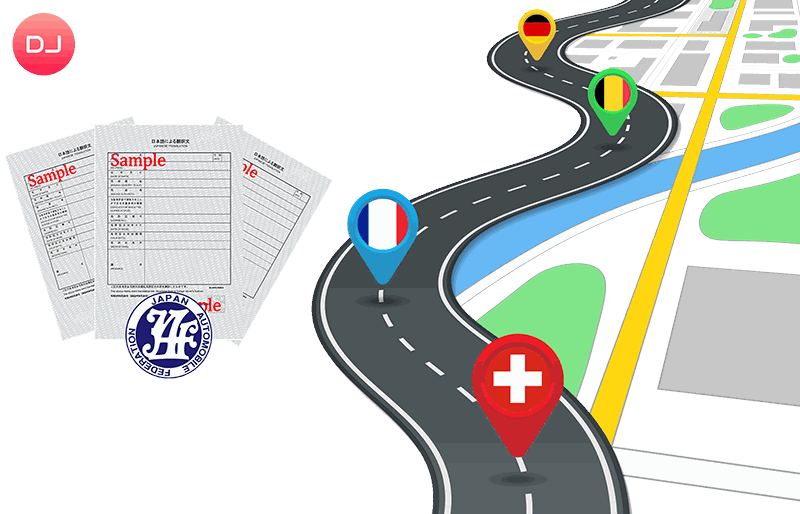
Need a translated licence to drive in Japan with peace of mind?
DrivinJapan helps you obtain the official translation of your driving licence, an essential step before renting a vehicle.
Get my licence translated →