If you are planning a trip or a road trip to Japan in 2026, knowing the Japanese public holidays (祝日 / shukujitsu) makes all the difference: crowds at tourist sites, hotel prices, queues, expressway traffic and the availability of certain services. In this article, we go through every official public holiday in 2026 one by one, with a simple explanation and practical tips to help you travel with peace of mind.
Contents (2026)
- 1 Jan — New Year’s Day
- 12 Jan — Coming of Age Day
- 11 Feb — National Foundation Day
- 23 Feb — The Emperor’s Birthday
- 20 Mar — Spring Equinox
- 29 Apr — Shōwa Day
- 3 May — Constitution Day
- 4 May — Greenery Day
- 5 May — Children’s Day
- 6 May — Substitute holiday (Golden Week)
- 20 Jul — Marine Day
- 11 Aug — Mountain Day
- 21 Sep — Respect for the Aged Day
- 22 Sep — “Sandwiched” holiday (Silver Week)
- 23 Sep — Autumn Equinox
- 12 Oct — Sports Day
- 3 Nov — Culture Day
- 23 Nov — Labour Thanksgiving Day
Driving in Japan in 2026? Remember your official licence translation
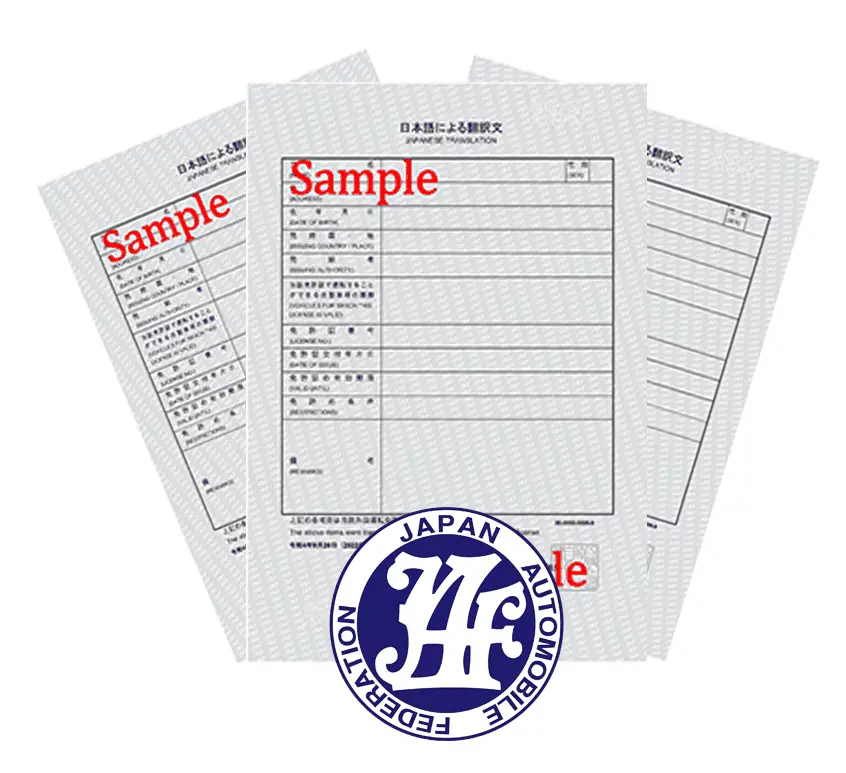
During public holidays, the JAF is closed. We therefore recommend planning ahead and ordering your driving licence translation so you can travel with complete peace of mind.
Everything gets booked up quickly: rental cars, hotels, ferries… Having your paperwork ready = a smoother, more relaxed trip.
Public holidays in Japan in 2026 (explanations and tips)
Thursday 1 January 2026 — 元日 (Ganjitsu): New Year’s Day
In Japan, New Year is less a “party night” than a time for returning to rituals: the first prayers of the year (hatsumōde 初詣), New Year wishes, amulets and visits to shrines. On 1 January, many families take it easy, and some towns seem to slow down all at once. For travellers, this means: shops are sometimes closed (especially outside major areas), but the shrines are very lively. On the roads, city centres are often less congested, while some expressways can see peaks depending on family travel. If you are on a road trip, have a plan B for meals: konbini (コンビニ) often save the day.
DrivinJapan tip: on 1 January, opt for a “culture + walks” itinerary rather than shopping. And check car park opening hours.
Monday 12 January 2026 — 成人の日 (Seijin no Hi): Coming of Age Day
This day celebrates entry into adulthood. In many towns, the town halls organise ceremonies, and you will see young people in very elegant outfits: furisode (振袖) kimonos for many young women, suits or hakama for others. For a traveller, it is one of the most “photogenic” days of winter, without being a tourist festival in the traditional sense. The practical impact is moderate: transport and shops operate as usual, but some spots (town halls, nearby shrines, large parks) are busier. If you are driving, expect drop-off zones around hair salons and photo studios: families drop off and pick up a lot.
Wednesday 11 February 2026 — 建国記念の日 (Kenkoku Kinen no Hi): National Foundation Day
National Foundation Day commemorates the idea of Japan’s founding. In everyday life, it is a rather quiet holiday: no big festivals everywhere, but a few ceremonies and a typical “day off” atmosphere. For tourists, it is often a good compromise: you get to enjoy a slower-paced Japan without the intensity of a period like Golden Week. On the roads, the impact depends on the location: locals may take advantage of it for a long weekend, so some nature destinations can be a little busier. In the cities, traffic usually flows well, ideal for visiting museums or neighbourhoods.
Monday 23 February 2026 — 天皇誕生日 (Tennō Tanjōbi): The Emperor’s Birthday
The Emperor’s Birthday is a national holiday. In Tokyo, attention often focuses on the area around the Imperial Palace (depending on openings and events), which can make some areas busier. Elsewhere, the day is very “normal”: restaurants and tourist sites generally stay open, sometimes with “public holiday” opening hours. For a road trip, it is a good day for driving, as long as you avoid the most touristy centres. If you are heading from Tokyo to the countryside, set off early: the roads out of the city fill up quickly when a holiday falls on a Monday.
Friday 20 March 2026 — 春分の日 (Shunbun no Hi): Spring Equinox
The Spring Equinox is linked to nature: people “celebrate” the return of the light and the balance of the seasons. Many Japanese people take the opportunity to go for walks, visit family graves or go on excursions. For travellers, it often marks the start of spring travel: depending on the year, the “hanami” (花見) atmosphere begins to build, especially in the big cities of the south and centre. By car, expect more people on the roads leading to parks, lakes and scenic areas. It is an excellent day for a nature itinerary, but you need to be strategic: set off early, plan your parking in advance (or have alternatives in mind) and avoid the “return” hours.
Wednesday 29 April 2026 — 昭和の日 (Shōwa no Hi): Shōwa Day
Shōwa Day marks the symbolic start of a period that travellers watch very closely: Golden Week, even though the real peaks often come when several days line up. This holiday invites reflection on the Shōwa era, an intense period in Japan’s modern history. In practical terms, many Japanese people start planning short getaways: demand rises for hotels, trains, domestic flights and rental cars. On the roads, this means a risk of traffic jams on the main routes around the big cities, especially at the end of the day. If your itinerary includes Kyoto, Tokyo, Osaka or Hakone, expect crowds to grow steadily.
Sunday 3 May 2026 — 憲法記念日 (Kenpō Kinenbi): Constitution Day
3 May commemorates the entry into force of the Japanese Constitution. In 2026, it falls on a Sunday, which adds to the run of days off. For travellers, it is a date to remember: during Golden Week, Japan travels “all at the same time”. The best-known sites can be overwhelmed, expressways fill up and accommodation prices rise. If you are driving, this is when planning ahead makes all the difference: set off very early, take secondary routes, plan your breaks and book accommodation in tourist areas in advance.
Monday 4 May 2026 — みどりの日 (Midori no Hi): Greenery Day
Greenery Day is dedicated to nature. Many Japanese people head outdoors: parks, gardens, accessible mountains, the coast… The result: if you enjoy walking, it is a superb day to see Japan out and about, but also a day when some spots become very popular. For a road trip, opt for “secondary” destinations: country roads, small villages, lesser-known viewpoints. Tip: this day is perfect for exploring a region where a car makes all the difference — you can get around the crowds by changing your plans on the fly.
Tuesday 5 May 2026 — こどもの日 (Kodomo no Hi): Children’s Day
5 May is Children’s Day, famous for its koinobori (鯉のぼり), the carp-shaped windsocks you see fluttering near rivers. It is a very family-oriented day: amusement parks, zoos, aquariums and large parks are often packed. If you are travelling as a family yourself, it is a great opportunity to experience “everyday” Japanese culture. On the roads, expect more traffic heading to the big attractions and full car parks: arrive early, or choose quieter places.
Wednesday 6 May 2026 — 休日: substitute holiday (Golden Week)
6 May is a “public holiday” in the legal sense, added because Constitution Day (3 May) falls on a Sunday and the sequence of holidays creates an extra day off. In practice: many Japanese people extend their Golden Week, and it is often a day of return journeys. For travellers, it is one of the trickiest days for driving long distances: congested expressways, packed stations, mass return journeys. If you have to drive, the best scenario is to set off very early in the morning, or to stay put and travel the next day.
Road tip: avoid the main interregional routes in the late afternoon: this is often when return traffic peaks.
Monday 20 July 2026 — 海の日 (Umi no Hi): Marine Day
Marine Day pays tribute to the sea, which is essential to Japan. Many Japanese people take the opportunity to head to the beach, the seaside or nearby islands. It is a very “summery” holiday, and therefore one where the weather matters enormously: good weather = bigger crowds. For a road trip, it is an excellent time to explore the coast, but you need to plan ahead: the roads to Kamakura/Enoshima, Izu, and some parts of Chiba or Shonan can be very busy. Driving tip: set off early, and avoid returning to Tokyo the same evening.
Tuesday 11 August 2026 — 山の日 (Yama no Hi): Mountain Day
Mountain Day is perfect for understanding Japan’s duality: the sea and the mountains. Many Japanese people go hiking or visit valleys, lakes or cooler areas at altitude. In practice, this holiday falls just as many companies enter the Obon (お盆) period, even though Obon is not an “official” national holiday. The result: you can see a real wave of travel. On the roads, expect traffic jams heading to mountain regions and nature resorts, and accommodation that fills up quickly.
Monday 21 September 2026 — 敬老の日 (Keirō no Hi): Respect for the Aged Day
This day honours older people and longevity, a theme that is very present in Japanese society. Many families get together, and some “relaxation” destinations (onsen, countryside, ryokan) see a small peak in visitors. In 2026, this holiday is particularly interesting because it lines up with the Autumn Equinox, creating a short run of days off (the famous “Silver Week”). For a trip by car, it is a pleasant time: milder temperatures, superb scenery, but more people on the roads at the weekend.
Tuesday 22 September 2026 — 休日: “sandwiched” holiday (Silver Week)
Here is one of the most “technical” days in the Japanese calendar: 22 September 2026 becomes a holiday because it is sandwiched between two public holidays (the 21st and the 23rd). This is the “day in between” rule laid down by law. The result: a run of days that is ideal for short breaks. For travellers, it is a period of increased travel: hotels filling up, busier roads to tourist regions, and crowds at autumn nature spots. If you want a quieter Japan, avoid the best-known destinations and aim for less “Instagrammed” regions. If, on the other hand, you enjoy the buzz, it is a wonderful time to see Japan making the most of autumn.
Wednesday 23 September 2026 — 秋分の日 (Shūbun no Hi): Autumn Equinox
The Autumn Equinox is associated with respect for ancestors and a serene relationship with the changing seasons. Many Japanese people visit family graves, or simply enjoy a “breathing space” before deep autumn sets in. For tourists, it is a perfect time to travel: pleasant temperatures, soft light and the first autumn scenery, depending on the region. On the roads, it is often a travel day, especially if it falls within Silver Week: allow extra time for your journeys.
Monday 12 October 2026 — スポーツの日 (Supōtsu no Hi): Sports Day
Sports Day encourages physical activity and a “healthy” spirit. In many schools and municipalities, autumn is the season for sporting events (even if the holiday itself can be quiet). For travellers, it is above all a long weekend: many Japanese people take the opportunity to get away. A very good time for a road trip (temperatures, clear skies), but watch out for the usual congestion points: roads out of Tokyo/Osaka on Saturday, and return journeys late on Monday afternoon.
Tuesday 3 November 2026 — 文化の日 (Bunka no Hi): Culture Day
Culture Day showcases the arts, culture and education. Many museums and cultural institutions put on events, exhibitions or special days (depending on the venue). For a traveller, it is an excellent date if you like visiting museums, historic districts or local festivals. As for crowds, the impact depends heavily on the region: Kyoto can be busier because November is also a very popular month (autumn leaves on the way). If you are driving, allow time to find parking near cultural areas.
Monday 23 November 2026 — 勤労感謝の日 (Kinrō Kansha no Hi): Labour Thanksgiving Day
This day pays tribute to work and production, with the idea of collective gratitude. For travellers, it is often another long weekend when Japanese people may travel, especially if the autumn colours are starting to look beautiful in some regions. Nature destinations, onsen and scenic areas can fill up fairly quickly. On the roads, expect heavier traffic on Sunday evening and on Monday late afternoon. If you are on a road trip, it is a good time to aim for “lesser-known” itineraries: countryside, coastal roads, small prefectures… and to avoid the major tourist routes.
Key takeaway: November is a very popular month in Japan. Booking early (car + hotels) makes a real difference.
Practical tips for travelling during public holidays (2026)
Remember one simple rule: in Japan, public holidays don’t mean “everything is closed”, but rather “everyone is on the move”. Attractions often stay open, sometimes with special opening hours, while transport and the roads become the real variable. If your trip is road-trip focused, the best combo is: book early, set off early and keep a plan B. The most sensitive periods in 2026 are Golden Week (late April – early May) and Silver Week (around 21–23 September).
Driving tip: on public holidays, avoid returning on the expressway in the late afternoon. Opt for a return in the morning, or the next day.
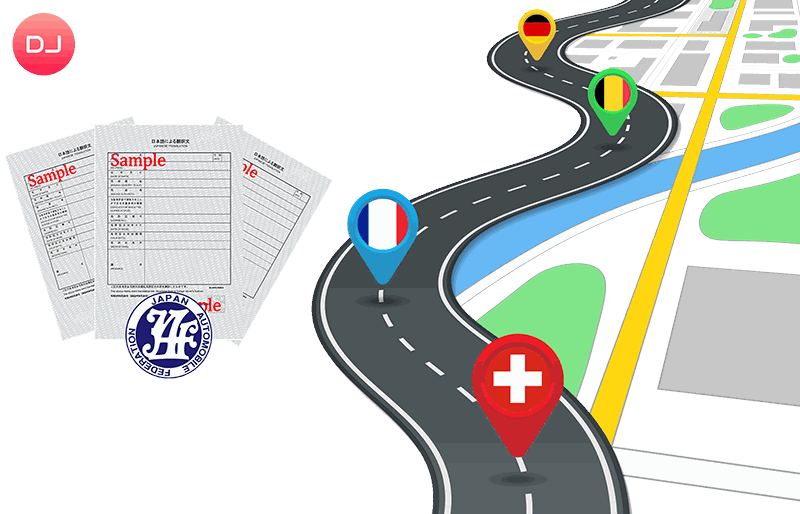
Finally, if you plan to rent a car, don’t forget the essentials: to drive in Japan with a driving licence issued in France, Belgium, Switzerland, Germany, Monaco or Taiwan, you need an official translation. It is often the small formality that saves you a lot of stress… especially when everything gets booked up quickly during holiday periods.
Travelling to Japan in 2026: be ready before the busy periods
Golden Week, Silver Week, long weekends… Sort out your official translation in advance and enjoy Japan stress-free.
Order my licence translationFor more practical guides (itineraries, driving, rules, road trip tips), find all our articles on the DrivinJapan blog.