Interest rate rise in Japan: effects on the yen, prices, the economy and tourism in 2026. Opportunities, drawbacks and practical tips for travelling.
For decades, Japan lived in an economic situation unlike anywhere else in the world: interest rates close to zero, or even negative, almost non-existent inflation and an ultra-accommodative monetary policy pursued by the Bank of Japan. Yet this Japanese exception, long seen as set in stone, is now coming to an end.
With its policy rate now at around 0.75%, the Bank of Japan (BoJ) is entering a new phase of monetary normalisation. This decision may seem technical or remote to travellers, but it has very real repercussions: on the yen, on prices, on investment, and also on tourism in Japan in 2026.
So what does this rate rise really mean? Is it bad news for travelling to Japan? Should we expect prices to soar, or, on the contrary, new opportunities? And how is this shift affecting Japanese society as a whole?
In this article, DrivinJapan offers a clear, jargon-free explanation to help you understand what is at stake today — and how it could influence your trip to Japan tomorrow.
Understanding the Bank of Japan's decision
The gradual end of the zero-rate era
Since the 1990s, Japan has been battling sluggish growth and persistent deflation. To support the economy, the Bank of Japan kept interest rates extremely low, encouraging borrowing, investment and financial stability. This policy shaped an entire generation of Japanese people, for whom cheap credit had become the norm.
But in recent years, the context has changed. Inflation, long absent, has taken hold more durably. Prices for energy, raw materials and food have risen, shifting the country's economic balance.
Faced with this situation, keeping rates close to zero was becoming increasingly difficult. The rise to around 0.75% therefore marks a historic turning point: Japan is finally accepting that it must leave its monetary exception behind.
Why now?
Several factors explain this change of course. First, inflation that can no longer be ignored. Second, international pressures, particularly linked to the monetary policies of the United States and Europe, where rates are already much higher.
On top of this come concerns about US tariffs, which could hurt Japanese exports. By raising its rates, the Bank of Japan is also seeking to stabilise the yen and strengthen the country's financial credibility on the international stage.

Inflation, the yen and international trade: Japan's new context
Rising interest rates have a direct influence on the value of the currency. A higher rate makes the yen more attractive to international investors, which can lead to a stabilisation, or even a strengthening, of the yen.
For Japan, this is a delicate balancing act. A yen that is too weak boosts tourism and exports, but makes imports more expensive and fuels inflation. Conversely, a stronger yen protects the purchasing power of Japanese households, but can make the country slightly more expensive for foreign visitors.
In this new context, Japan is trying to move away from a low-cost, high-volume model towards a more quality-focused economy, including in the tourism sector.
What impact on tourism in Japan in 2026?
This is the question many travellers are asking. Rising interest rates do not automatically mean that travelling to Japan will become prohibitively expensive. However, they may shift certain balances.
Hotel prices
Japanese hotels, particularly in big cities such as Tokyo, Kyoto and Osaka, are often financed through long-term loans. A rate rise may slow down some projects or push hotels to adjust their prices gradually.
For travellers, this could mean prices stabilising rather than falling, especially in very touristy areas. On the other hand, lesser-known regions could come out on top by offering attractive deals.
Transport
Public transport in Japan remains heavily subsidised and tightly regulated. A rate rise will therefore have only a limited impact on train and metro fares in the short term.
However, some private companies could make marginal adjustments to their fares, particularly on tourist or regional lines.
Car rental
Renting a car in Japan could become an even more strategic option for travellers wishing to explore rural regions. Costs may rise slightly, but the freedom it offers remains unmatched.
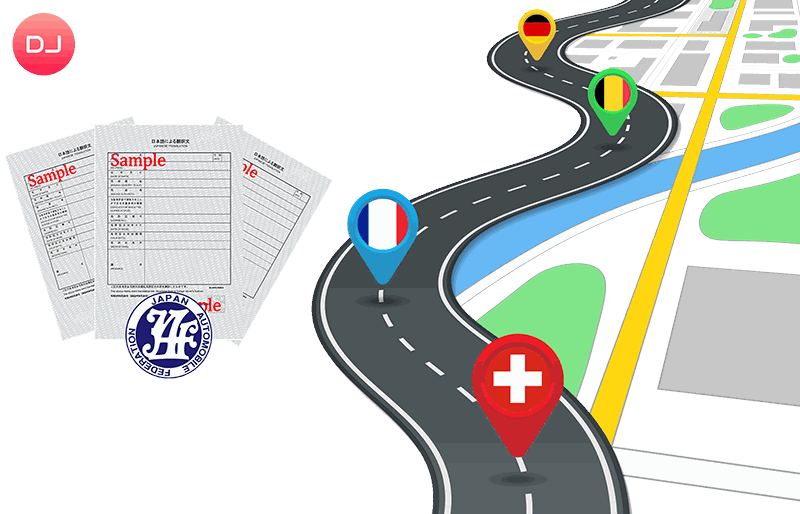
To drive legally, an official driving licence translation for Japan remains essential. Sorting out these formalities in advance helps you avoid any unpleasant surprises once you are there.
Eating out
Japanese restaurants often operate on very thin margins. Higher financing and raw material costs could lead to slight price increases, but the culture of good value for money remains deeply rooted.
Opportunities for foreign travellers
A more stable yen
For European or North American travellers, a less volatile yen makes budgeting more predictable. Even if Japan becomes slightly more expensive, sudden swings in exchange rates should become less frequent.
Better quality of service
With the end of ultra-cheap mass tourism, Japan could strengthen its positioning on more quality-focused tourism: improved services, better-organised experiences and personalised hospitality.
Regional tourism on the rise
The Japanese authorities are already encouraging visitors to discover regions off the main routes. The rate rise could accelerate this trend, offering travellers more authentic and often less expensive experiences.
Potential drawbacks for tourism
Rising costs
Even a moderate rate rise can lead to a gradual increase in costs in some sectors. For travellers on a very tight budget, this could be a deterrent.
Slower hotel investment
Tighter financing conditions may slow the construction of new hotels, particularly in areas that are already saturated. This can limit supply and keep prices high in some cities.
Pressure on small tourism businesses
Japan's small tourism businesses, which depend heavily on credit, could be weakened further, making support for them all the more crucial.
Impact on Japanese society
Purchasing power
A more stable yen and better-controlled inflation could eventually strengthen the purchasing power of Japanese households, even if the transition is sometimes difficult.
Mortgages
The rate rise directly affects home loans. For many Japanese people, it marks the end of an era of almost free credit and calls for more careful financial management.
Consumption and mindsets
Japanese society could move towards more considered consumption, favouring quality over quantity — a trend already visible in many sectors.
Economic consequences for Japan
Exports and competitiveness
A stronger yen can make Japanese exports slightly less competitive, but it also encourages companies to move upmarket and innovate.
International appeal
For investors and expatriates, an economically more stable Japan could become even more attractive, despite slightly higher costs.
What to expect when travelling to Japan in 2026?
Travelling to Japan in 2026 will remain an exceptional experience. The country will continue to offer remarkable safety, a unique quality of service and incomparable cultural diversity.
The key will be planning ahead: booking in advance, exploring lesser-known regions and preparing practical matters such as driving in Japan or mobile connectivity.
Conclusion: a Japan in transition, but as welcoming as ever
The interest rate rise in Japan marks a historic transition. It reflects an economy that is normalising, a society that is adapting and a country that is rethinking its relationship with the world.
For travellers, this shift is neither a threat nor a barrier. On the contrary, it paves the way for more balanced, more respectful and often more enriching tourism. The Japan of 2026 will be different, but it will remain true to what makes it so strong: hospitality, precision and attention to detail.