A complete guide to Japanese public transport etiquette: IC cards, mistakes to avoid, keeping quiet, queuing, priority seats and practical tips for travelling in Japan in 2026.
For travellers exploring Japan, public transport very quickly becomes an invaluable ally. Trains, metros, buses: the Japanese network is world-famous for its punctuality, cleanliness and safety. So it is no surprise that most visitors rely on it as their main way of getting around.
Behind this impressive efficiency, however, lies a set of unwritten rules. From the way you queue on the platform to how you behave inside the carriages, Japan’s transport culture follows a very particular etiquette. On a first trip, these codes can be surprising, even confusing. And it is easy to disturb others without meaning to.
This guide introduces the essential manners you need to know to use public transport in Japan. From the basics of IC cards to common mistakes to avoid, you will learn how to get around with confidence, blend in naturally with the locals and enjoy stress-free journeys all over the country. In the end, you will not only travel more comfortably but also discover the quiet harmony for which the Japanese transport system is famous.
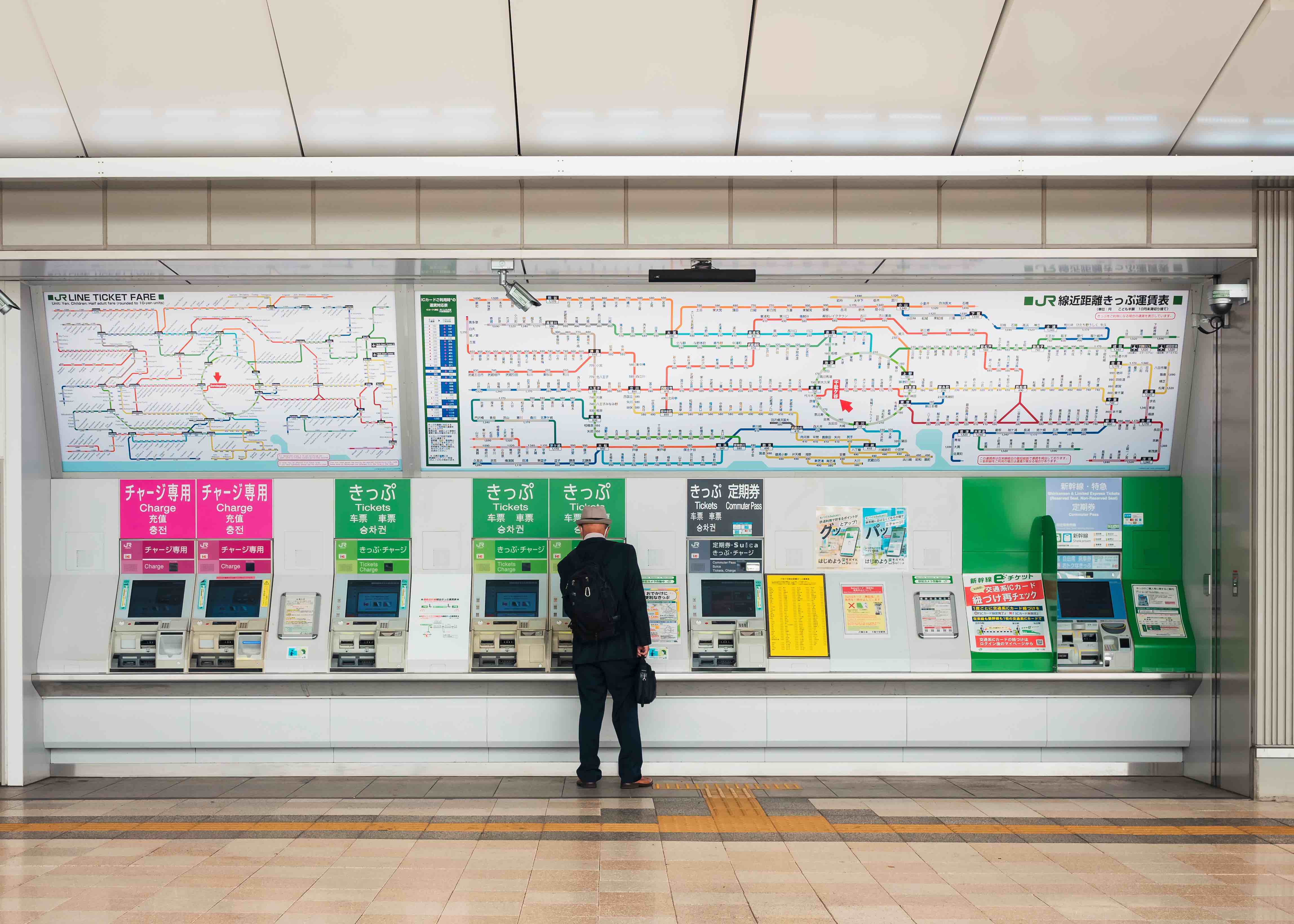
Buying tickets and IC cards
What is an IC card?
One of the easiest ways to get around Japan is to use an IC card. The best known include Suica and Pasmo in the Tokyo area, and ICOCA in Kansai (Osaka, Kyoto, Kobe, etc.). Each area has its own brand, but most of these cards are now interoperable throughout the country.
Beyond trains and buses, these cards can also be used in konbini (convenience stores), vending machines and some shops. For travellers, they work almost like an electronic wallet: practical, fast and accepted almost everywhere.
How to top it up and use it
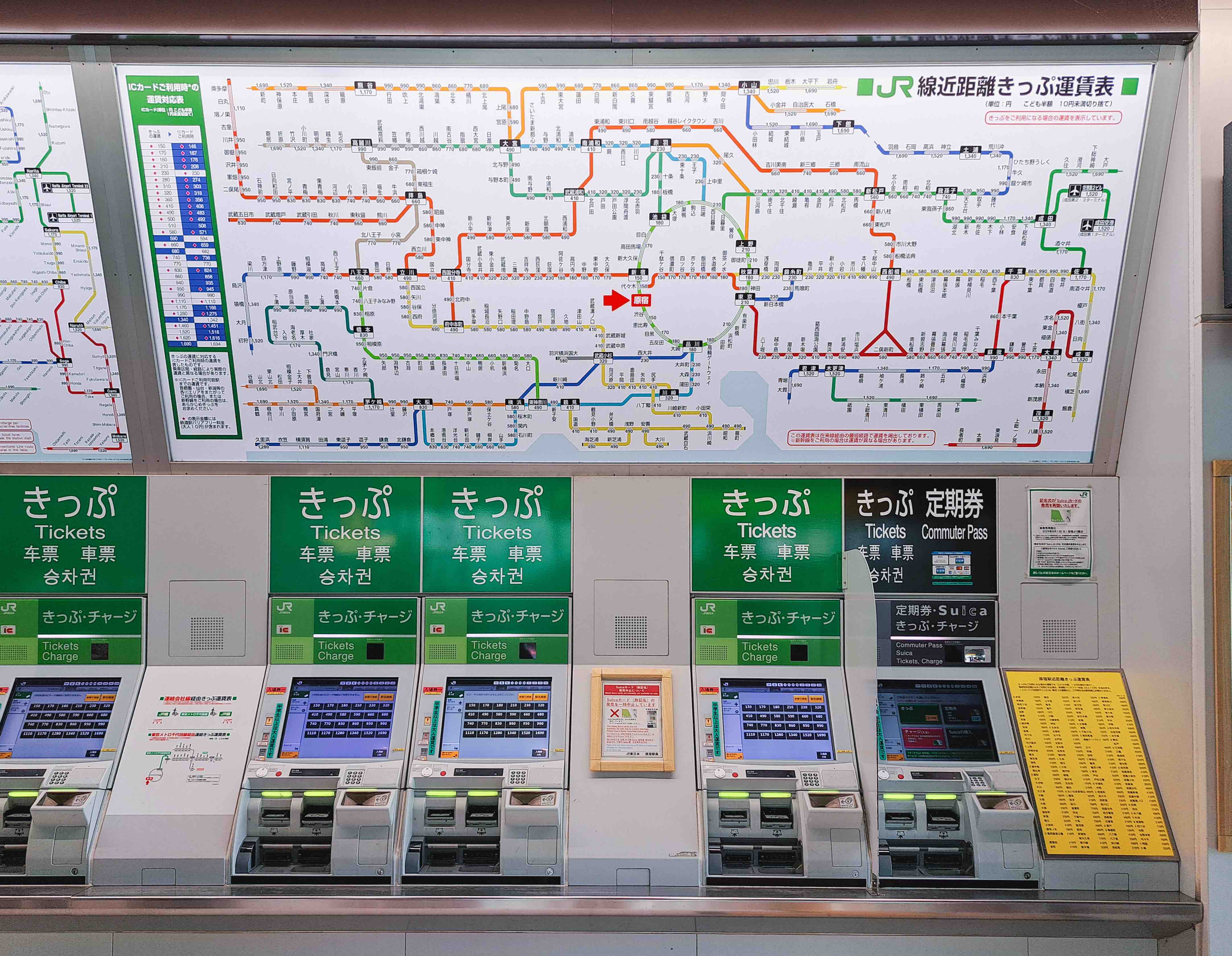
IC cards are very easy to top up at the machines in stations or at the counter in convenience stores. To travel, simply tap the card on the ticket gate reader: the exact fare is deducted automatically and your remaining balance appears on the screen. No need to work out fares or hunt for small change: your journeys stay smooth and stress-free.
IC card or paper ticket?
Buying single-use paper tickets is still possible, but it quickly becomes tedious, especially if you are not used to Japanese fare tables. With an IC card, you simply “tap” in and out: it is much more convenient for sightseeing, last-minute changes of plan or spontaneous stops.
Ticket gate etiquette
When using your IC card, avoid stopping abruptly at the ticket gate. If your balance is too low and you block the way, the queue behind you will be held up. Checking your balance beforehand and walking through smoothly is a small gesture that shows respect for others — and saves you unnecessary stress.
Getting on board: platform etiquette
The queuing culture
In Japan, queuing is an integral part of the travel experience. On train and metro platforms, you will see lines and arrows marked on the ground showing where to stand. Passengers line up quietly in these queues, waiting their turn to board. Jumping the queue or squeezing in front is considered extremely rude.
Simply by joining the queue and waiting patiently, you help boarding run smoothly, even at the busiest stations.
Let people get off first
When the doors open, the golden rule is simple: let people off before getting on. This seemingly obvious gesture keeps people moving steadily, avoids jostling and reflects the Japanese value of respecting other people’s space and movement.
Priority seats
In the carriages, you will notice seats clearly marked for elderly people, pregnant women, people with disabilities or passengers with a baby. If you are sitting in a priority seat and someone in one of these groups gets on, you are expected to stand up immediately.
Even outside these areas, giving up your seat to someone who needs it is a much-appreciated act of kindness. A simple smile or nod is enough to show your intention.
Rush hour: a few tips
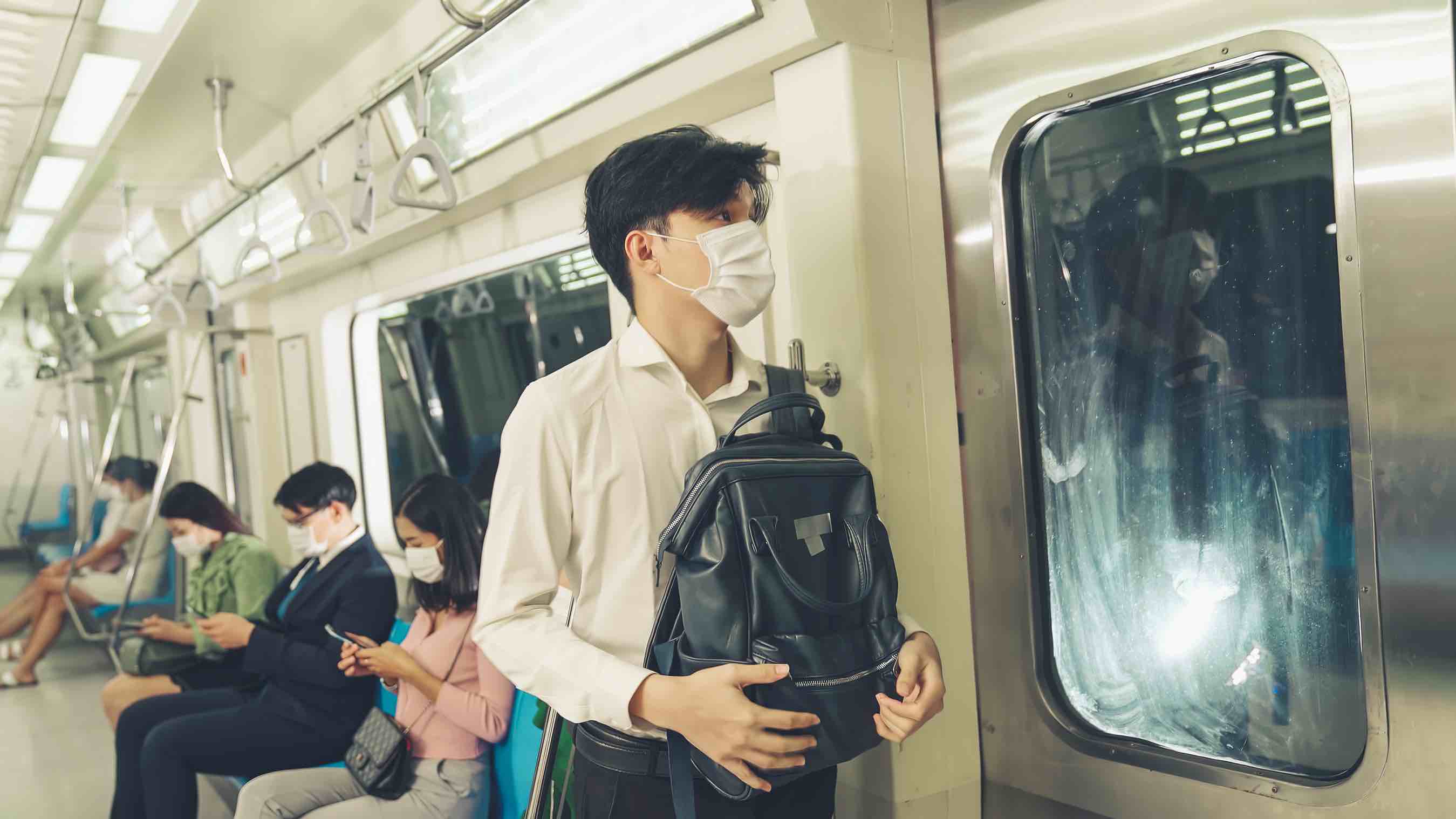
At rush hour, trains can become extremely crowded. Wearing a backpack on your back is then impractical and inconsiderate: most Japanese people wear it on their front or put it down at their feet. Another important point: don’t stand right by the doors. Move as far inside the carriage as possible to leave room for people getting on and off.
Inside the train: behaviour and good practice
Stay discreet and quiet
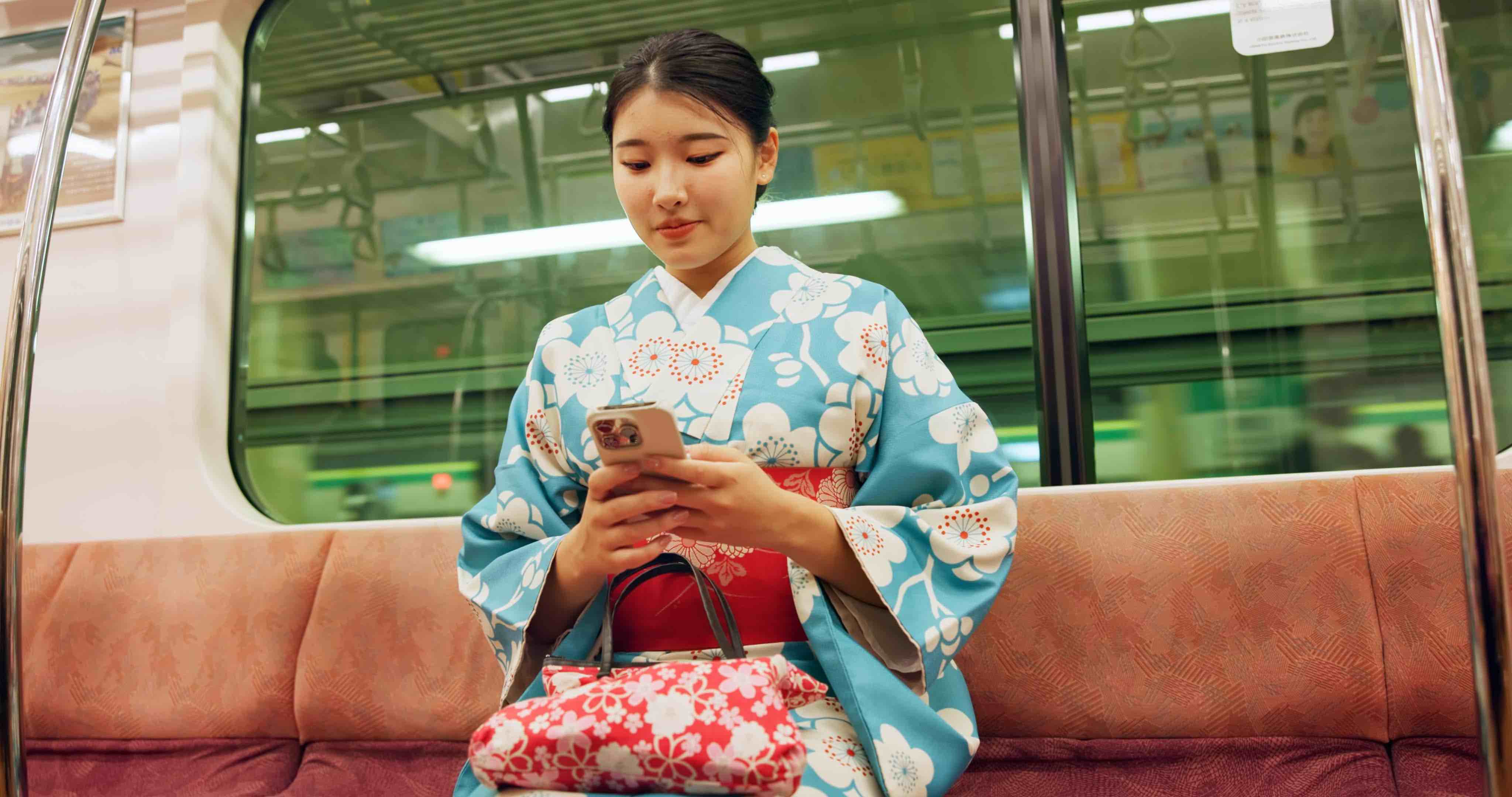
On Japanese trains, silence is golden. Phone calls are strongly discouraged except in emergencies, and conversations should be kept to a low voice. Even when travelling with family or friends, passengers are expected to respect this calm atmosphere.
Many Japanese people use the journey to read, rest or simply watch the scenery. This peaceful atmosphere is one of the most pleasant features of transport in Japan — and it is partly down to passengers’ mutual respect.
Eating and drinking on the train
On long-distance trains such as the Shinkansen, eating is part of the journey. Travellers often enjoy an ekiben (station bento) while watching the scenery go by. On local trains and metros, however, eating and drinking are frowned upon.
Strong-smelling or bulky food can quickly bother others. If in doubt, it is better to save your snack for later, or eat it on a station bench or in a rest area.
Personal grooming and noise
Japanese people see the train as a shared, quiet space. Putting on make-up, doing your hair, spraying perfume, laughing very loudly or listening to music without headphones — or with the volume leaking out — goes against this harmony. It is precisely these small considerations that allow everyone to enjoy the journey.
Managing your luggage
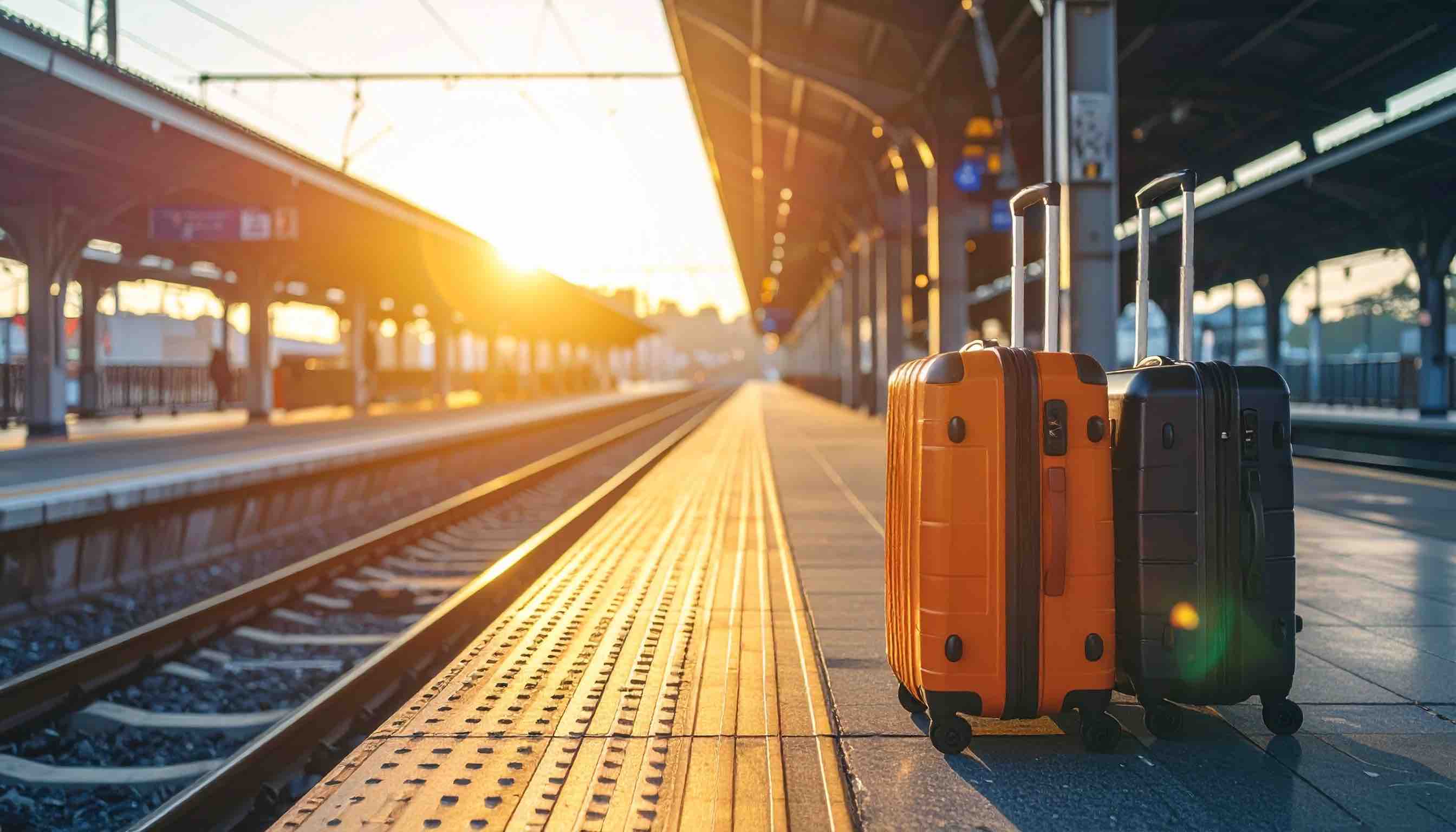
Managing your luggage properly is essential. Small bags can be kept on your lap when you are seated. Larger luggage is best stored on the racks above the seats.
Never leave your suitcases in the aisle or near the doors: this gets in the way, makes boarding and getting off more difficult, and can create dangerous situations when the train brakes or is very crowded.
Using buses in Japan
Boarding rules that vary
Unlike trains, buses in Japan do not work the same way everywhere. In big cities such as Tokyo, you generally board at the front and pay as you get on. In many regions, it is the other way round: you board at the back and pay when you get off.
Before boarding, take a moment to look at the signs at the bus stop or the information inside the vehicle. This will keep you from feeling lost and let you follow the same routine as the locals.
How to pay your fare
The easiest way to pay is with an IC card. Simply tap it on the reader next to the driver or by the exit door. If you are paying in cash, have the right change ready: drivers rarely give change directly.
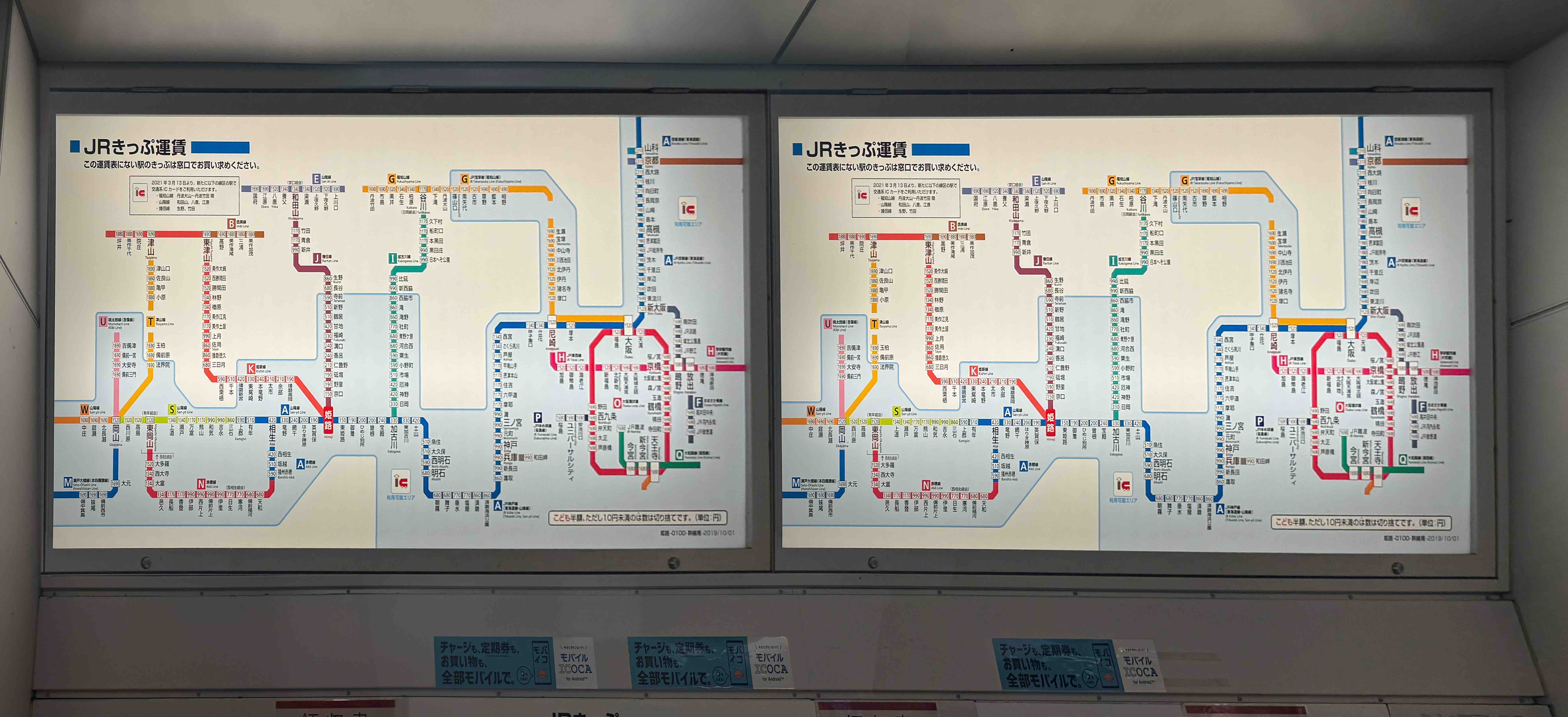
Most buses have a small machine for changing notes into coins, but it is always easier to have small denominations ready before you get on.
When to press the stop button
Every row of seats and every aisle has clearly visible stop buttons. When your stop is approaching, press the button in good time rather than at the last moment. This gives the driver time to stop smoothly and lets you get ready to get off calmly.
Thanking the driver
When getting off, many Japanese people simply say “Arigatō” (thank you) to the driver. It is not compulsory, but it leaves a warm impression and adds a small touch of kindness to your experience.
Common tourist mistakes (and how to avoid them)
Talking too loudly
Calm is an integral part of Japan’s transport culture. Loud conversations on a train or bus quickly disturb other passengers. Even if you are excited or deep in conversation with friends, it is more polite to keep your voice down.
Leaving your rubbish behind
Public spaces in Japan look so clean because everyone takes their rubbish with them. Leaving a food wrapper or an empty bottle on a train or bus is very much frowned upon. Always keep your rubbish with you until you find a bin — or take it back to your accommodation.
Jumping the queue
Organised queues are taken very seriously. Whether on a train platform or at a bus stop, pushing in front of everyone is considered rude. Follow the floor markings, respect the order of arrival and wait your turn: patience is part of the experience.
Not giving up your seat to priority passengers
Priority seats are intended for elderly people, pregnant women, people with disabilities or passengers with a young child. Not standing up when someone who needs the seat gets on is seen as a lack of respect. Even from a “normal” seat, offering your place in these situations is a much-appreciated gesture.
Making phone calls on the train or bus
Unlike in many countries, making a call on a train or bus in Japan is frowned upon or even prohibited. If you really have to answer, wait until you have got off. In an emergency, keep the conversation short, discreet and quiet.
FAQ – Public transport in Japan
Q1. Can I use an IC card in rural areas?
IC cards such as Suica, Pasmo and ICOCA are widely accepted in the big cities. In small towns and rural areas, however, they may not work. In that case, you will need to buy a paper ticket or pay in cash. Before you set off, check whether the region you are visiting accepts IC cards to avoid unpleasant surprises.
Q2. Are there announcements in English?
In the major tourist cities such as Tokyo, Osaka and Kyoto, most stations and trains have announcements and displays in English. In rural areas, information may be in Japanese only. Apps such as Google Maps or Japan Transit Planner are then invaluable for following your journey.
Q3. Can I take a suitcase on the train?
Yes, but large suitcases can become a nuisance at rush hour, when the carriages are very full. Try to travel outside peak times and keep your luggage as close to you as possible. Use the racks above the seats or the dedicated spaces when available. On the Shinkansen, some carriages even have areas reserved for oversized luggage.
Q4. Is it safe to sleep on the train?
Japanese trains are generally very safe, and it is common to see passengers dozing during the journey. That said, always stay a little vigilant: keep your bag on your lap, close the zips properly and keep your valuables close to you. A little caution is all it takes to travel with peace of mind.
Conclusion: travelling respectfully on Japanese public transport
Japan’s public transport system is admired the world over for its punctuality, cleanliness and safety. But what really makes it work is the etiquette shared by its users. By observing these small everyday gestures, you will enjoy stress-free journeys while blending in harmoniously with local life.
Ultimately, respect goes beyond simply following the rules: it is a way of experiencing the Japanese culture of consideration for others, where comfort is shared between you and those travelling alongside you.
To make your trip even easier, a little preparation makes all the difference. With DrivinJapan’s driving licence translation service, renting a car becomes easy. An eSIM lets you check train times, use navigation or stay connected without any hassle. By combining these solutions in a transport pack, you can switch smoothly from train to bus and then to a rental car — saving time and energy while exploring Japan at your own pace.
Start your adventure with DrivinJapan today, and travel around Japan with confidence, peace of mind… and respect for those travelling with you.