Summer 2026 is shaping up to be exceptionally hot in Japan: find out how to plan a cool road trip by car to Hokkaido, the Japanese Alps or Nikko, while heeding the heatwave alerts.
Cool road trips in Japan in summer 2026: driving itineraries to milder regions
An exceptional heatwave forecast by the JMA: how to plan your driving stages to Hokkaido, the Japanese Alps and Nikko.
1. Why talk about cool road trips in 2026
According to the Japan Meteorological Agency's forecasts, summer 2026 (June–August) is expected to be hotter than normal across the whole country, following on from the already record-breaking summer of 2025.
In early July 2026, the JMA issued an alert for temperatures at a level seen roughly once every ten years in large regions such as Hokkaido, Tohoku, Hokuriku and Kinki, with anomalies of +2 to +2.7 degrees expected.
Key takeaway: staying cool is becoming a central factor when planning a road trip by car, not just a matter of comfort.
2. Understanding the Japanese heatwave and the official alerts
The authorities use the WBGT (Wet Bulb Globe Temperature) index to measure heat stress and issue Heat Stroke Alerts above 33, with official guidance on hydration, breaks and limiting outdoor activities.
Guides recommend organising the day in three parts (the "cool sandwich"): very early morning for outdoor activities, midday indoors with air conditioning, and late afternoon to head out again.
3. Hokkaido by car: the most obvious cool base
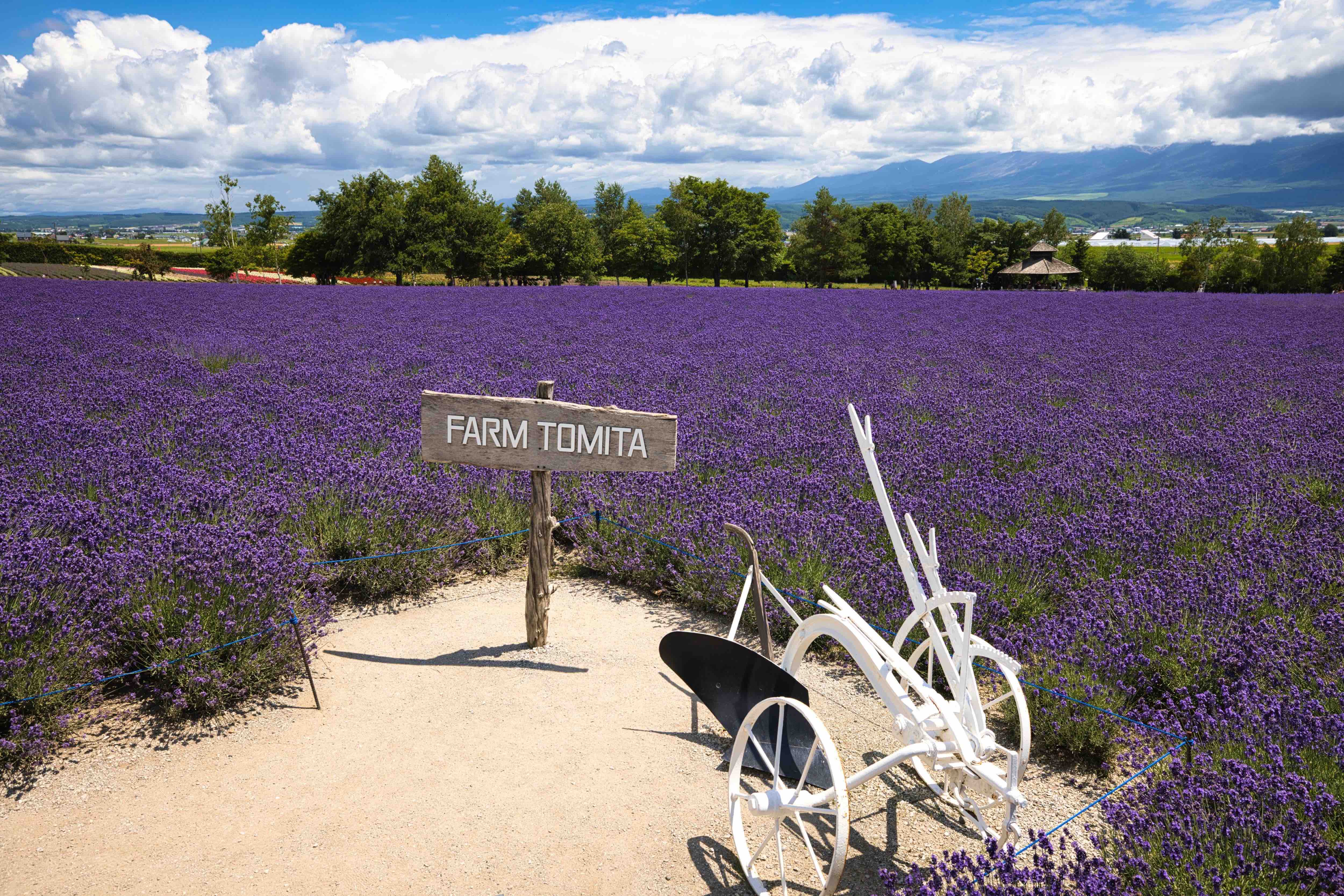
Hokkaido consistently comes up as one of the coolest regions of the archipelago in summer, with Sapporo, Furano and Hakodate offering milder temperatures than Tokyo or Osaka.
A typical cool road trip might involve flying to the island, then driving a loop to the flower fields of Furano, the lake regions and the coastal areas.
4. The Japanese Alps: terrain, altitude and scenic roads
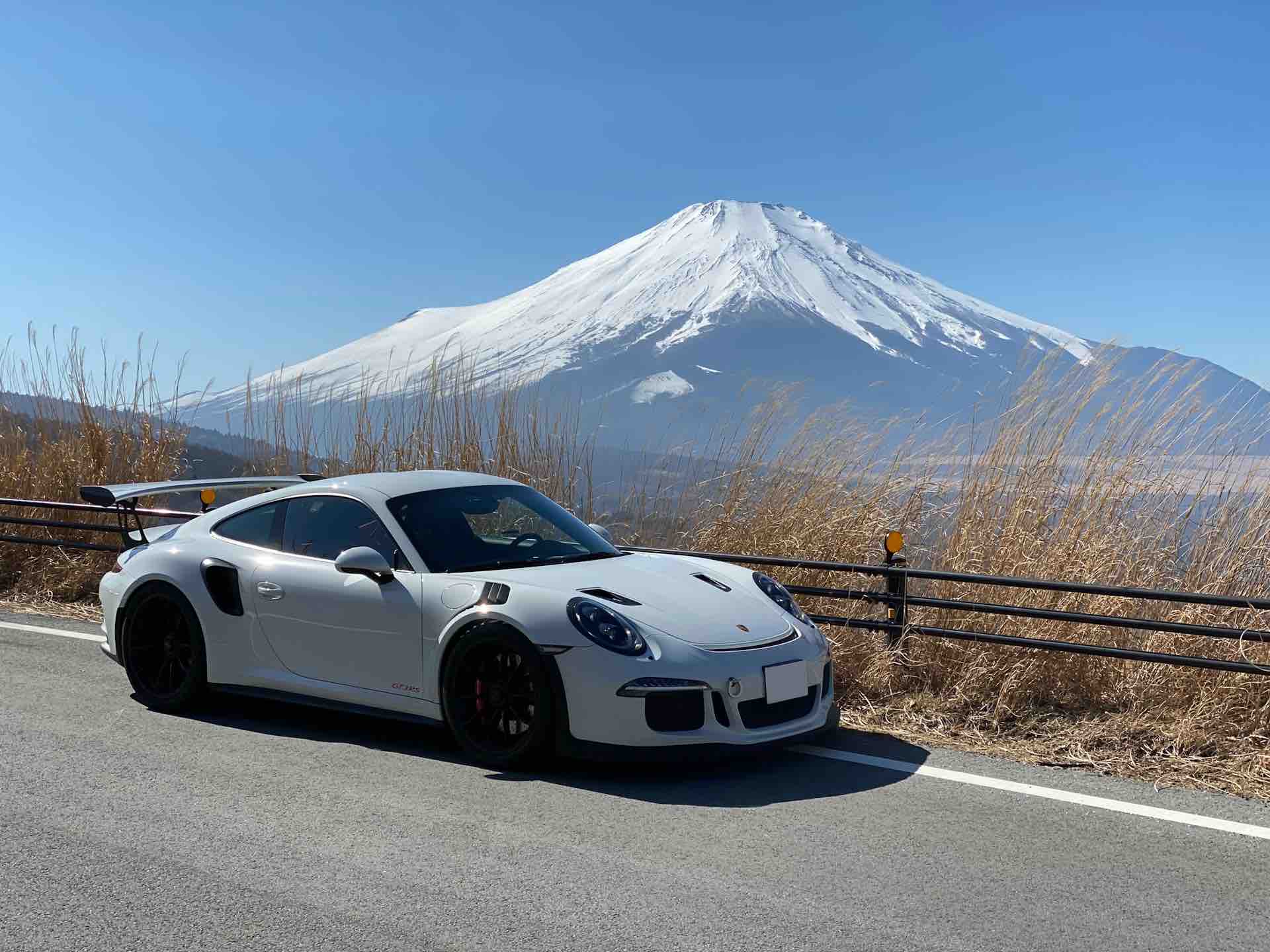
The Japanese Alps (Kamikochi, Takayama, Matsumoto) are also cited as cooler than the main Tokyo–Kyoto–Osaka corridor, thanks to their altitude and mountain setting.
By car, this means itineraries linking Nagoya or Matsumoto to Takayama, with the long stretches of road planned for early in the morning.
5. Nikko and the cooler areas around Tokyo
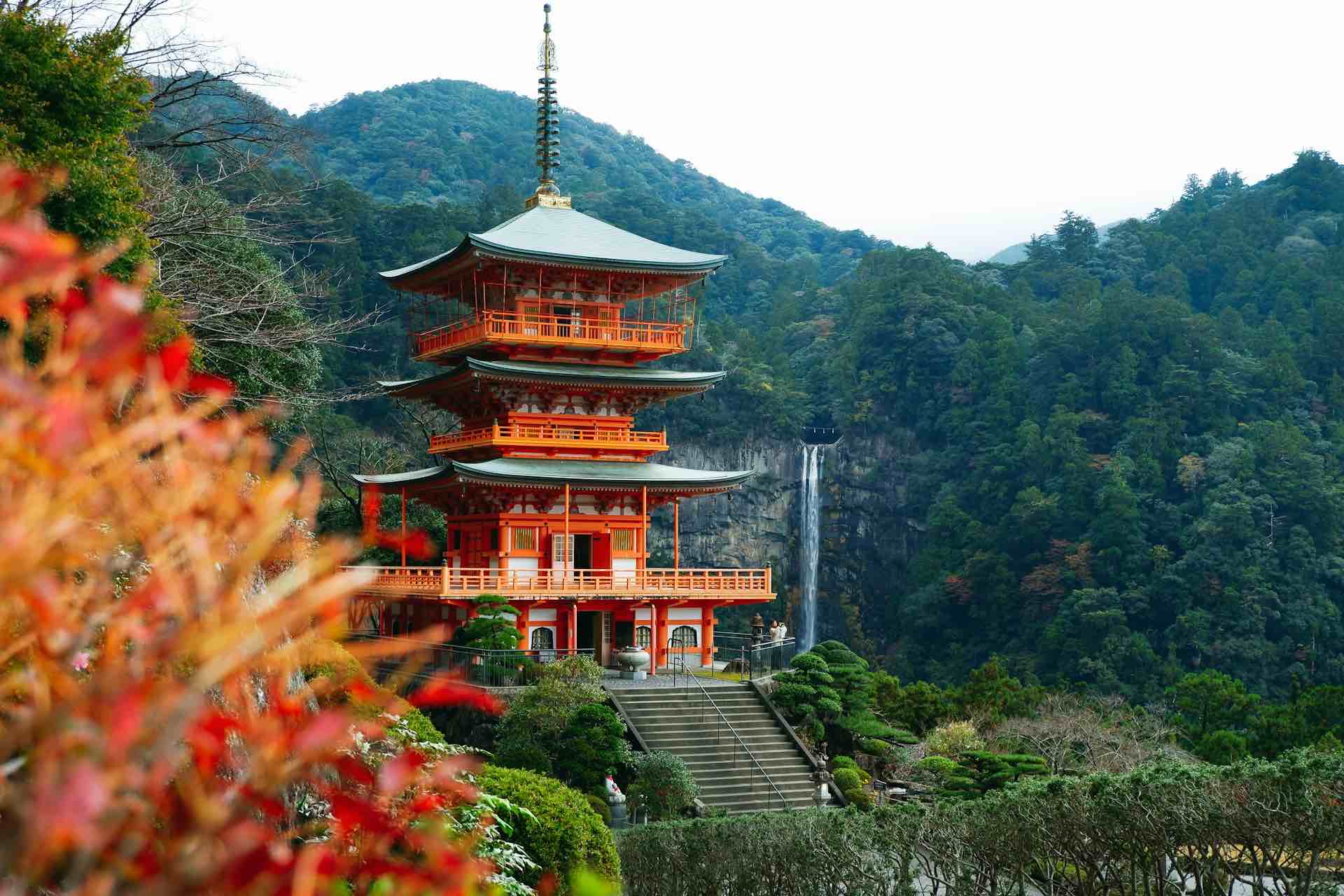
For travellers based around Tokyo, guides recommend cool breaks in wooded areas such as Nikko or Karuizawa, to escape the relentless heat of the Kanto plain.
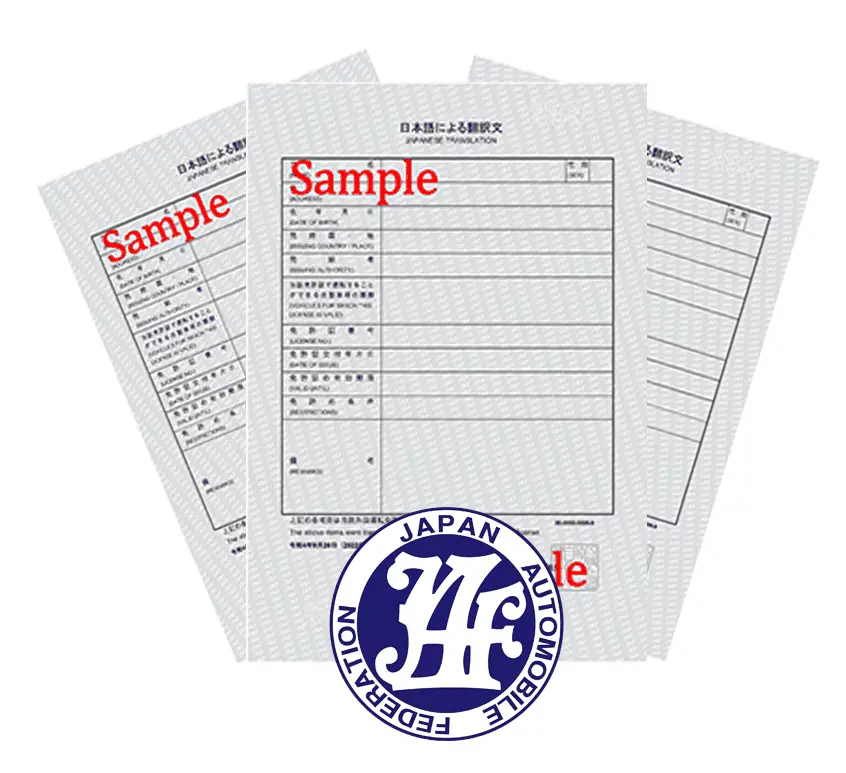
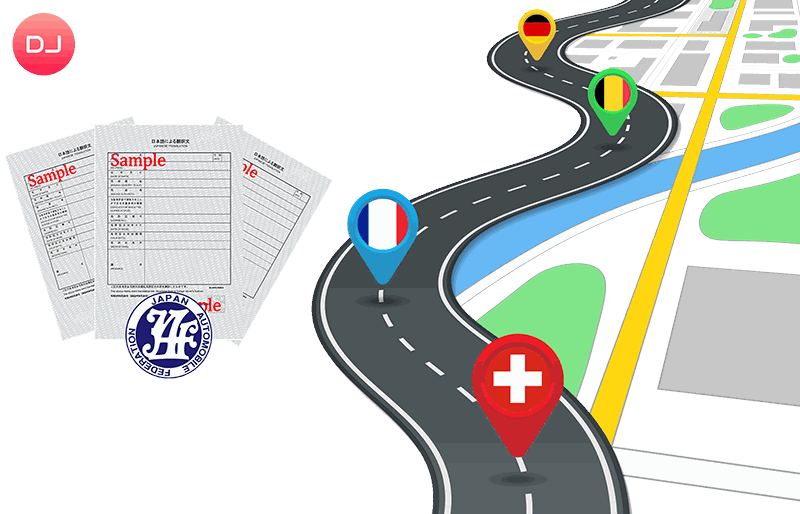
Need an official licence translation to drive in Japan this summer?
Discover the DrivinJapan service
6. Building a mixed hot/cool itinerary
The resources suggest choosing the cooler bases first (Hokkaido, the Japanese Alps, Nikko), then fitting in the big cities, limiting the time spent in Tokyo, Osaka and Kyoto during the peak of the heat.
7. Safety tips for driving during a heatwave
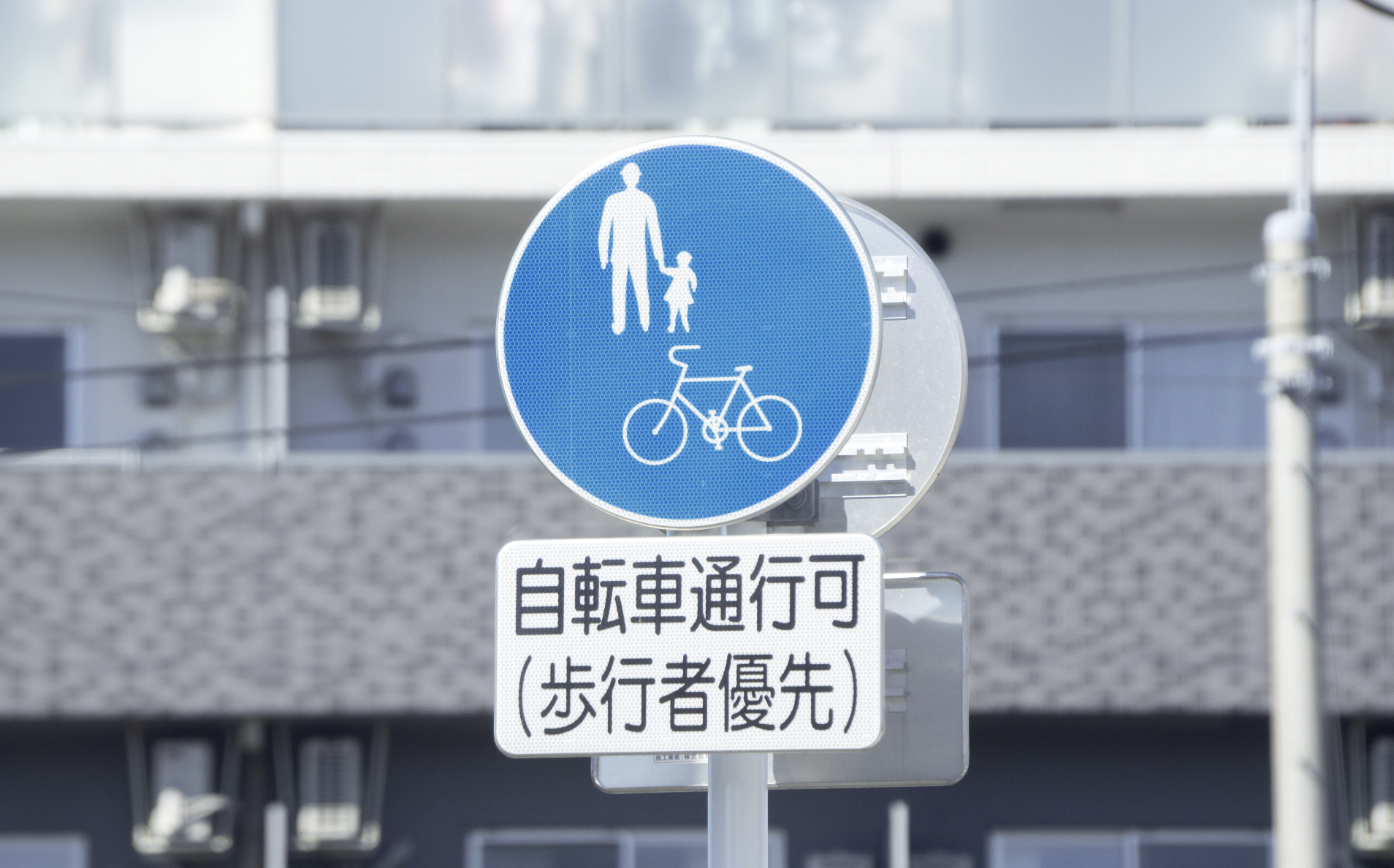
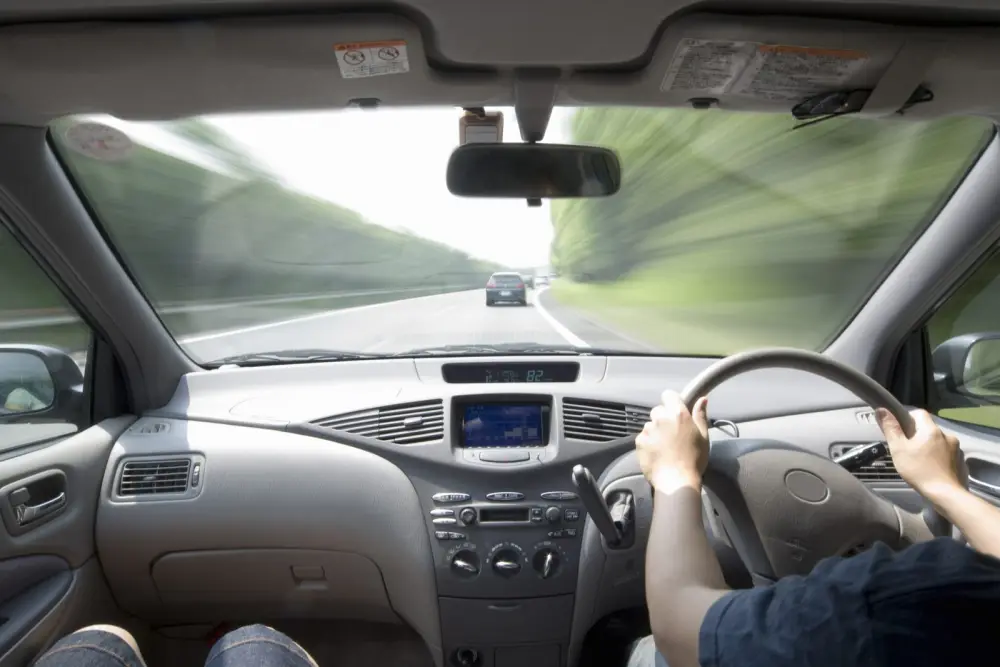
Official guidance stresses hydration, regular breaks in the shade or in air-conditioned places, and watching out for signs of feeling unwell. For a road trip, plan the longest driving stages for daybreak and keep outdoor visits for mornings and evenings.
FAQ – Road trips in Japan in summer 2026
Is summer 2026 really hotter than usual in Japan?
Official forecasts point to above-average seasonal temperatures after an already record-breaking summer in 2025. The JMA refers to a once-in-a-decade event in early July in large regions.
What are the best cool bases for a road trip?
Hokkaido, the Japanese Alps and Nikko are cited among the areas cooler than Tokyo, Osaka or Kyoto, thanks to their altitude, climate and landscape.
How should you adapt your driving during a WBGT alert or heatwave?
Bring long journeys forward to early morning, take plenty of breaks at rest areas or cafés, drink before you feel thirsty and keep an eye on your passengers' tiredness.
Can you still enjoy the big cities on a road trip in 2026?
Yes, by limiting yourself to two or three consecutive nights in the major cities at the height of the heat and keeping an indoor plan for every afternoon.