Renting a car in Japan: car parks, ETC tolls, fines, returning the car, mistakes to avoid. A practical guide to driving with peace of mind.

DrivinJapan, Blog

Car rental in Japan: important points to watch out for
Car parks, fines, Japanese ETC tolls, “ETC only” lanes, returning the vehicle, accidents… Here is the practical guide (checklist) to renting a car in Japan and driving in Japan stress-free.
Updated: 01/12/2025 • Reading time: 10–12 min

Car rental in Japan is often the best decision for exploring the countryside, the coast, the mountains and remote onsen. But there are rules and “traps” that catch many travellers out: parking, ETC only tolls, violation notices, and above all returning your rental car in Japan (date/time). In this guide, you'll find a clear checklist, real-world examples and the right habits to adopt.
Key takeaway: in Japan, driving is generally safe and well regulated. Problems mostly come from the details: where to park, which toll lane to choose, and what to do if you get a violation notice.
Contents
1) Why rent a car in Japan
2) Before renting: licence, translation, insurance
3) The 15 points to watch out for (checklist)
4) Budget: how much does it cost
5) Perfect itineraries by car
6) Printable checklist
7) FAQ
8) Conclusion
1) Why rent a car in Japan (and when to avoid it)
Japan has an exceptional rail network. In Tokyo, Osaka and Kyoto, trains and the metro are often faster than a car. So why rent a car in Japan? Because as soon as you leave the big cities, a car becomes a “superpower”. It gives you access to villages, coastal roads, lakes, mountains, isolated onsen and viewpoints that buses serve poorly.
When a car is a real advantage
Here are the situations where a car changes everything:
- Nature road trips: Hokkaido, the Japanese Alps, Kyushu, Shikoku.
- Families / babies: luggage, pushchair, easy breaks, child seats.
- Rural regions: rice paddies, coastline, small shrines, local markets.
- Onsen: isolated ryokan, mountain hot springs, spa towns.
- Flexible itineraries: early starts, changing plans depending on the weather, avoiding the crowds.
When it's better to avoid a car
In city centres, a car can become a hindrance: heavy traffic, expensive car parks, complicated exits. If your trip is 100% Tokyo/Osaka/Kyoto/Nara, a car is often pointless. The best formula is generally: cities by train + a car for 2 to 6 days in the regions.
Real-world example: you can travel Tokyo → Kyoto by Shinkansen, then rent a car in Kyoto or Nagoya for 3–4 days (Lake Biwa, mountains, coast), and return the car to a different branch if your rental company allows it.
2) Before renting: age, licence, official translation, insurance, options
Minimum age and conditions
Many agencies require drivers to be at least 20 (sometimes 21 or 25 depending on the category). An international bank card is often required. Always read the terms when booking: fuel policy, mileage, return fees, insurance options.
Licence: what is actually accepted in Japan
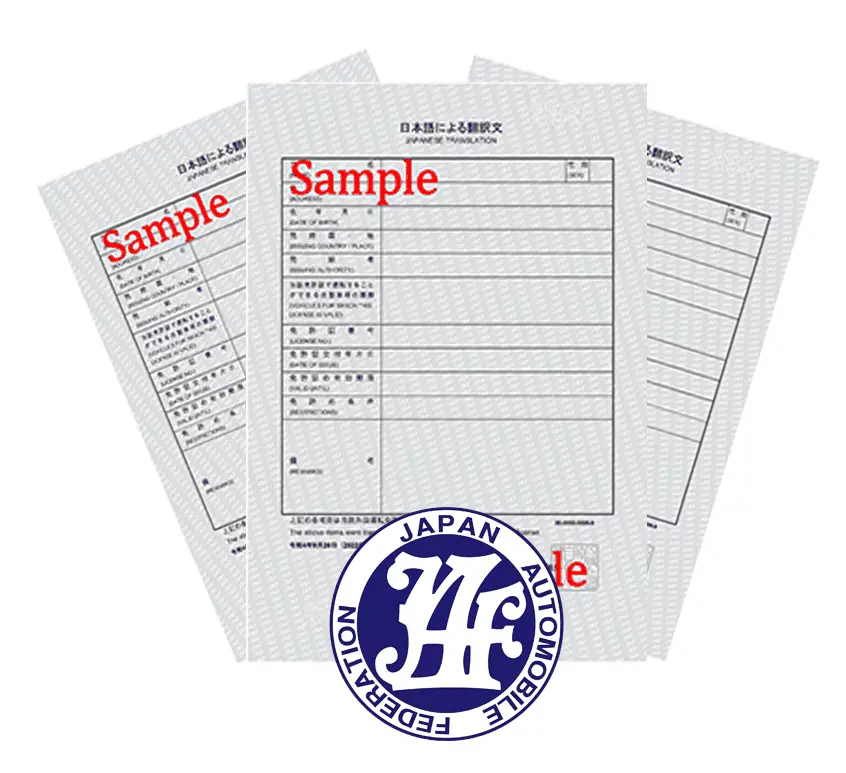
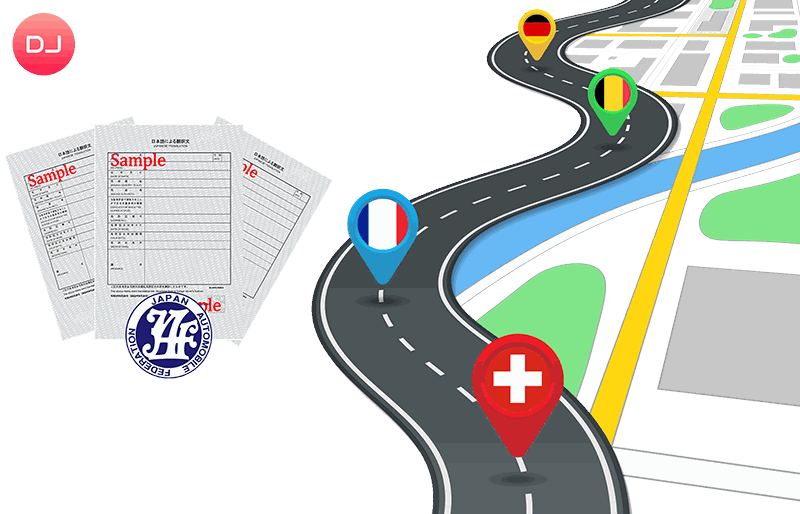
To drive in Japan, having “a licence” is not always enough. Depending on your nationality, you will need a recognised official translation (often based on the JAF format), and your licence must be valid. Don't set off assuming the International Driving Permit “solves everything”. The rules vary from country to country.
DrivinJapan To drive legally, check whether you need an official translation of your licence. DrivinJapan can help you with a simple, clear process.
Insurance: the point that spares you nasty surprises
Always check: basic insurance included, excess (often high), excess waiver (“zero excess” option), assistance, glass/tyre cover (often excluded). Rental companies have packages, and the price difference can be small compared with the risk. If you are driving in the mountains or on rural roads, caution is even more important.
Useful options
- ETC card / ETC equipment (if offered): makes expressways easier.
- GPS / CarPlay: often unnecessary if you have Google Maps, but comfortable.
- Child seat: book in advance (limited stock).
- Second driver: must be declared (and sometimes paid for).
3) The 15 essential points to watch out for (checklist)
This is the heart of the matter: the points that make the difference between a “perfect road trip” and an “administrative nightmare”. Read this checklist before you leave, and keep it on your phone.
1) Vehicle Return Date and Time: return date/time
If the return time or date changes, or if you think you'll be late, let the agency know immediately. In Japan, returns are tightly managed: being late can lead to fees, and sometimes to your contract being reclassified. The right move: plan ahead, call early and confirm the instructions.
- Allow 30–60 minutes of leeway (more in town or before a flight).
- Plan for traffic, especially around Tokyo/Osaka and at rush hour.
- Ask whether the rental company requires the car to be returned with a full tank (often yes).
- Take photos of the vehicle on return (all angles + interior + odometer).
Real-world example: you think you'll arrive 20 minutes after the scheduled time because you're stuck on a coastal road. Call the agency immediately: they'll tell you whether you can return it at a different time or whether you need to officially extend.
2) Fuel: “full-to-full” policy and petrol stations
Many rental companies ask you to return the car with a full tank (full-to-full). Find a petrol station near the agency, especially if you're returning early in the morning or late. Some stations are “full service” (an attendant fills up for you), others are self-service. Keep the receipt: it can serve as proof if you're asked about it.
3) Vehicle inspection: photos, scratches, wheels
Before setting off, walk all the way around: bumpers, wheels, sills, windscreen, interior. Taking photos takes 60 seconds and can save you an argument. Even if the agency is professional, it's your peace-of-mind insurance.
4) Car parks: golden rule = paid parking
The simplest rule in Japan: use paid car parks (coin parking, barrier car parks, hotel car parks, etc.). Parking “wherever” is the best way to get a violation notice. In tourist areas, there are plenty of car parks: they cost something, but they protect you from trouble.
5) Forbidden: monthly/private car parks (“monthly parking”)
Some car parks you see on the street are monthly car parks reserved for residents or businesses. They look like a “normal” car park, but they are private. Don't park there, not even for “5 minutes”. Look instead for a ticket car park, a coin parking, or a car park belonging to a shop where it's allowed.
6) Forbidden: long-term parking at konbini
Konbini (7-Eleven, FamilyMart, Lawson) often have a car park, but it is intended for customers stopping briefly. Parking there for a long time to visit a neighbourhood or go hiking can be frowned upon, and sometimes penalised (depending on the area and the chain). If you're making a quick stop (snacks, toilets, shopping), it's generally fine. For a longer visit: choose a paid car park.
7) Forbidden: private property (apartments/condominiums)
Never park in the car parks of apartment buildings, residences or spaces that are “not clearly public”. Even if it's empty, it's still private property. This is one of the most common traps for tourists driving in Japan.
8) Parking violation notice: exactly what to do
If a parking violation notice is placed on your vehicle, don't ignore it. The procedure (often required by rental companies) is generally: go to the relevant police station, complete the procedure, then pay the fine at the designated financial institution.
- Don't just remove the paper and “hope it goes away”.
- Note the time and take a photo of the notice.
- Go to the police station for the area concerned.
- Pay according to the instructions (often via a financial institution).
9) Proof to show the rental company on return
When you return the car, the agency may ask for: the Traffic Violation Notice (notice) + the stamped payment slip (proof of payment). Keep them safe in a folder. Without proof, some rental companies apply their own processing fees.
Rental company penalty: on top of the fine, the rental company may charge an illegal parking penalty. A frequently seen example: 25,000 JPY (standard vehicle) or 30,000 JPY (higher categories), depending on the rental company and the type of vehicle.
10) Japanese ETC tolls: understanding the lanes
On Japanese expressways, you will come across several types of lane: ETC専用 (ETC only), ETC/一般 (ETC + General), and 一般 (General). This is THE point where tourists make the classic mistake: entering an ETC only lane without the equipment.
- ETC専用 (ETC only): reserved for equipped vehicles + ETC card. Without ETC, it's forbidden.
- ETC/一般: mixed lane (depending on the location). Usually fine with ETC, sometimes possible without (but never assume so).
- 一般 (General): general toll lane in Japan (standard payment).
11) If you don't have an ETC card / equipment: choose “一般 (General)”
If you don't have an ETC card or you're not sure, the simple rule is: take the 一般 lane. Depending on the expressway, payment may be made on entry or on exit. Watch the signs, slow down and keep your distance.
Real-world example: you arrive at a toll booth and see “ETC専用”. Don't follow the car in front “on autopilot”. Take 3 seconds, read, and go to “一般”. This is exactly where 80% of mistakes happen.
12) Navigation: Google Maps + anticipating exits
Google Maps works very well in Japan, but expressway exits can come up quickly. Plan ahead: keep a comfortable zoom level, listen to the audio and avoid last-minute lane changes. If you miss an exit, don't panic: carry on and turn around at the next safe spot.
13) Driving on the left: quick to adapt, but take care on turns
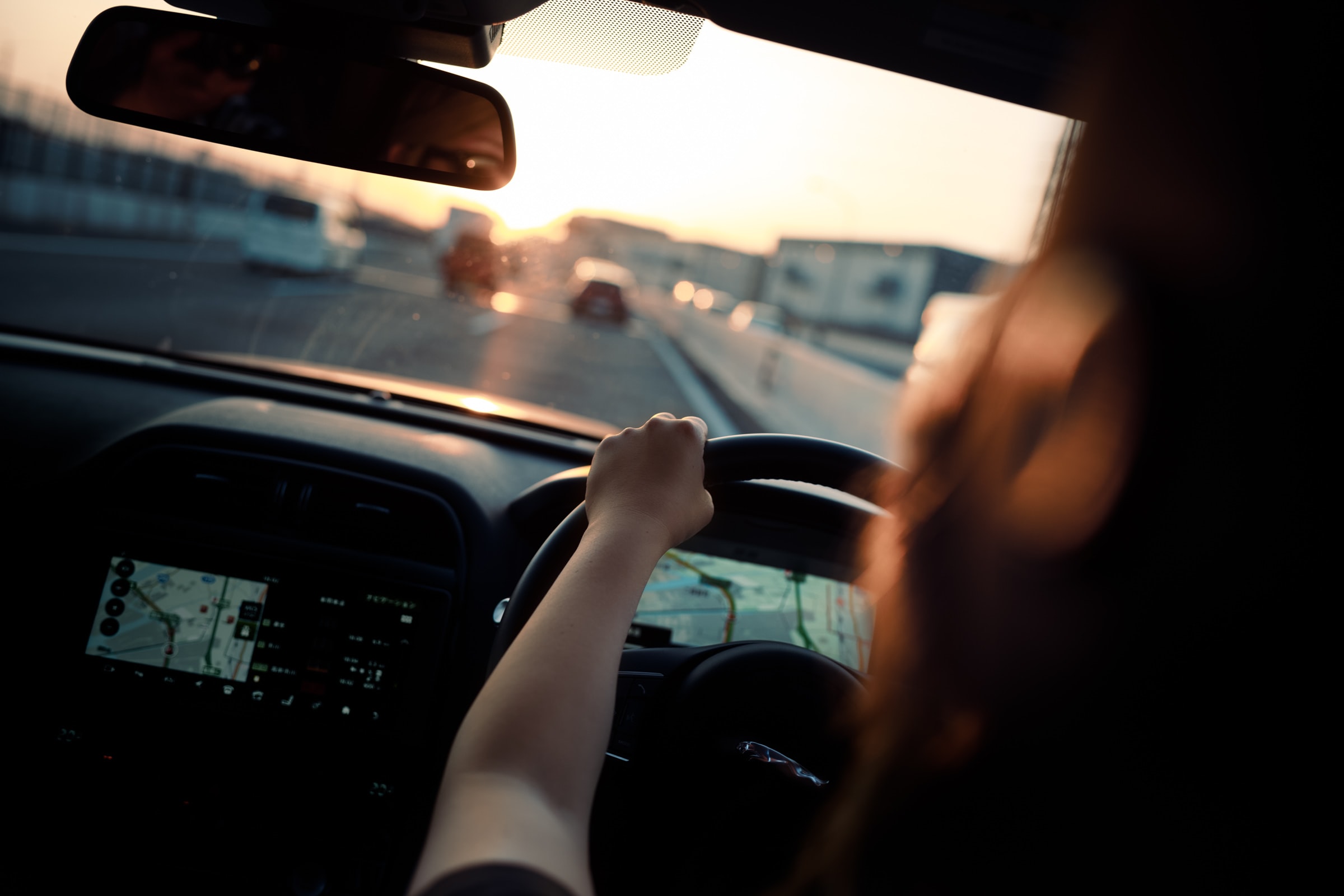
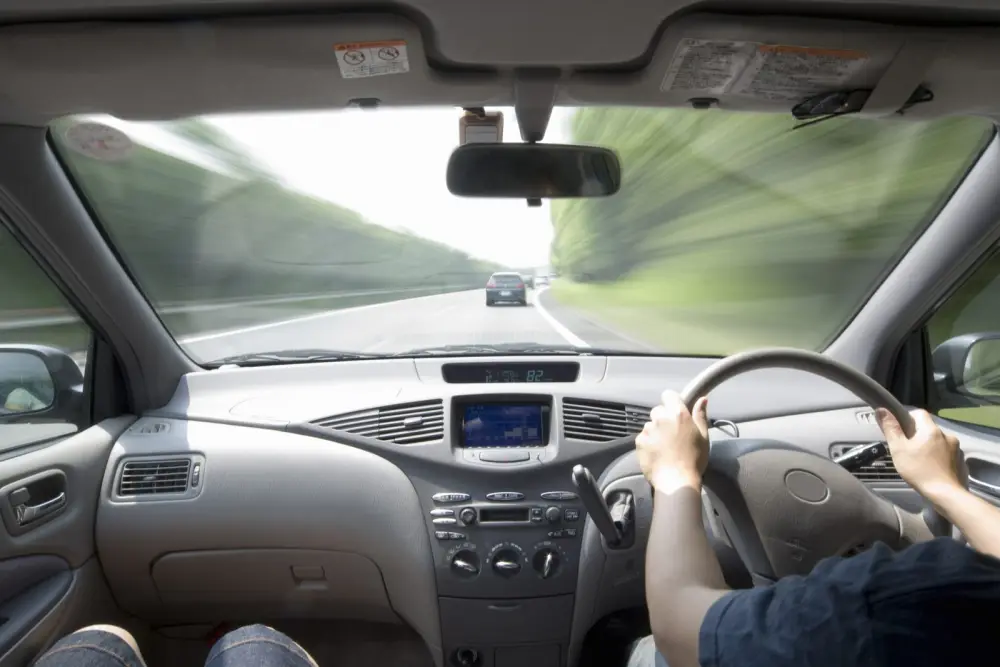
The main shock: you drive on the left, with the steering wheel on the right. Most drivers adapt within 30 minutes. The real trap: turns (especially when pulling out of a car park or a small road). Repeat to yourself: “keep left”. And leave more space than usual.
14) Speed limits and caution: better “smooth” than “speed”
Speed limits can be lower than you imagine, especially in town and on small roads. Drive “smooth”: gentle acceleration, progressive braking, indicating early. Japan values smooth, flowing driving.
15) Accidents: an ultra-short reminder (to memorise)
In the event of an accident: 1) help the injured and call an ambulance on 119 if necessary, 2) call the police on 110, 3) contact the rental company's assistance/accident centre, 4) fill in the “What to do after an accident” form with all the details (date/time, place, police station, other driver's details). Even a minor accident must be reported.
4) Budget: how much does car rental in Japan cost?
The budget depends on the season, the region, the type of vehicle and the length of the rental. But here is a simple table to help you anticipate costs (rough guide).
| Item | Range (indicative) | Useful notes |
|---|---|---|
| Rental (per day) | 6,000–15,000 JPY | More expensive in high season, 4x4/van more expensive |
| Petrol | Variable | Rural = more km; keep some leeway |
| Japanese expressway tolls | Moderate to high | ETC can make things easier; “一般” if no ETC |
| Parking in Japan | 200–1,500 JPY / hour or flat rate | More expensive in city centres; rural often cheaper |
| Insurance / excess waiver | +1,000–3,000 JPY / day | Often worthwhile given the risk |
Budget tip: book the car only for the “regional part” of your trip. You save on parking and urban risk, and you get the most out of having a car.
5) Perfect itineraries by car (3–5 regional ideas)
1) The Japanese Alps (Nagano / Gifu / Toyama)
Mountain roads, villages, onsen, incredible scenery. A car is ideal for linking several places without depending on buses.
2) Lake Biwa & the countryside around Kyoto
Perfect if you're based in Kyoto/Osaka: rent for 2–3 days, explore the countryside and get away from the urban crowds.
3) Kyushu (Beppu, Aso, coast)
Volcanoes, hot springs, scenic roads. Excellent road trip territory.
4) Shikoku (coastal roads, temples, valleys)
Less touristy, very authentic. A car gives you total freedom.
5) Hokkaido (summer/autumn)
Huge distances, magnificent nature. Here, a car isn't a “bonus”, it's often the best option.
6) Printable checklist (before / during / return)
✅ Licence + official translation if required
✅ Insurance: excess + waiver (if useful)
✅ Inspection photos (on departure)
✅ Locate paid car parks (area you're visiting)
✅ Understand tolls: ETC only vs 一般
✅ Keep cash / a card for tolls/car parks
✅ If you get a notice: police + payment + stamp
✅ Return: leeway + full tank + photos + receipt
7) SEO FAQ – Car rental in Japan
Do I need a translation to drive in Japan?
Often yes, depending on your country. To avoid any mistakes, check before you leave whether an official translation is required.
What does “ETC only” mean at a toll booth in Japan?
“ETC専用 (ETC only)” is a lane reserved for vehicles fitted with ETC + an ETC card. Without ETC, choose “一般 (General)”.
Where can I park a rental car in Japan?
The safest option: paid car parks (coin parking, barrier car parks, hotels). Avoid private/monthly car parks and private property.
What should I do if I get a parking fine in Japan?
Follow the procedure: relevant police station, formalities, payment at the designated institution. Keep the notice + stamped receipt.
What do I need to show the rental company if I received a violation notice?
Generally: the Traffic Violation Notice + the stamped payment slip. Without proof, the rental company may charge fees.
What should I do if I'm late returning the car?
Let the agency know as soon as possible. An unreported delay can lead to fees and contractual complications.
Is a car useful in Tokyo/Osaka/Kyoto?
Often not. Better: train in the cities, car only for the regional part (2–6 days) to optimise budget and comfort.
8) In summary
Car rental in Japan can transform your trip if you know the points to watch out for. Returning on time, paid car parks, the procedure for violation notices, and the right toll lane (avoid “ETC only” without equipment): these are the details that make for a stress-free road trip. And above all, make sure your licence paperwork is in order.
Driving rules in Japan: essential reminders (and the traps)
Once you've picked up the car, the good news is that driving in Japan is generally smooth, safe and well organised. The less good news is that some “European” habits can get you into trouble if you don't know the basic rules. Here are the reminders that keep coming up in rental companies' documents: they save you time, help you avoid mistakes and let you drive with peace of mind.
1) You drive on the left (and it's mainly when setting off that it catches you out)
In Japan, vehicles drive on the left and the steering wheel is on the right. Most drivers adapt very quickly, but the riskiest moment is often pulling out of the car park, setting off again after a break or leaving a petrol station. The right habit: before each time you set off, repeat to yourself “keep left”, and take 5 seconds to position yourself correctly.
Real-world tip: mistakes happen when you're distracted (GPS, children, tiredness). If in doubt, slow down, let others pass, and set off again cleanly. Calm driving is always better than a “sudden swerve”.
2) Red lights and green arrows: what they really mean
In Japan, a red light means STOP: you cannot turn right or left unless indicated otherwise. An important particularity: when a green arrow is lit, you can proceed in the direction of the arrow even if the main light is amber or red. This is very common at some junctions: don't be surprised if cars “move off” on an arrow.
- Red: come to a complete stop, no turning without an arrow/authorisation.
- Green arrow: allows movement in the direction shown.
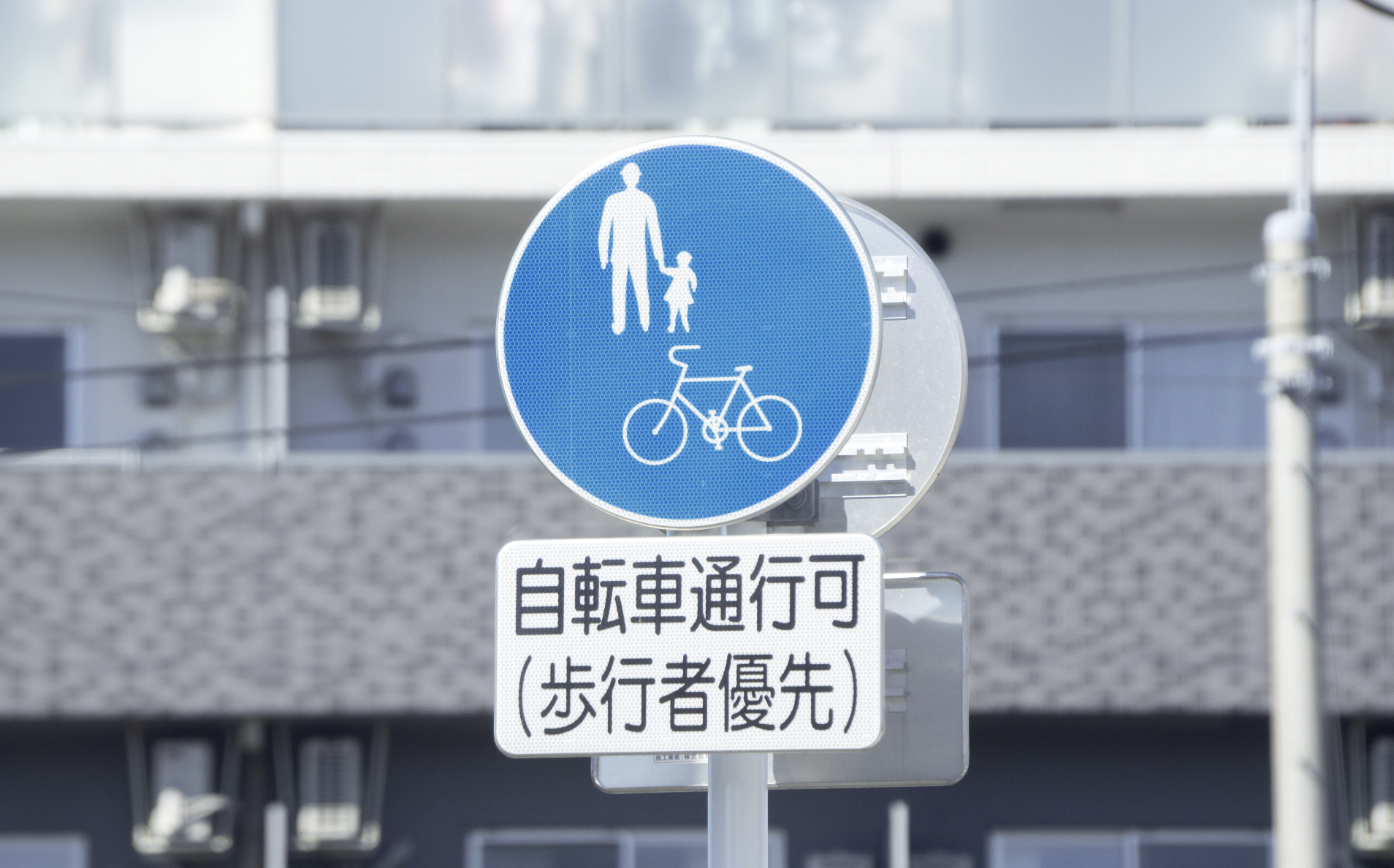
- Stay alert to pedestrians (who have priority) and cyclists.
3) Speed limits: they apply everywhere (and some areas are monitored)
Speed limits apply on all roads, including “ordinary” roads and toll roads. Some sections are monitored by automatic systems: the idea isn't to be afraid, but to understand that Japan expects steady, respectful driving. In practice: watch the signs, adapt your speed to the area (urban, school, mountain) and avoid overconfidence on empty roads.
4) Zero alcohol at the wheel and no phone while driving
The rental company's document points out two major prohibitions: driving under the influence of alcohol is forbidden, and using a phone/smartphone while driving is forbidden. On a road trip, this is easy to manage: set your GPS before you set off, make your calls when stopped, and keep a safety margin if you go out in the evening.
Essential signs in Japan: the ones you absolutely need to know
Good news: many Japanese signs are intuitive. But some are unusual, and recognising them makes life easier, especially when it comes to parking in Japan and planning your journeys.
- Stop (止まれ / Tomare): in Japan, the STOP sign is often an inverted red triangle with “止まれ”. A complete stop is mandatory.
- No parking: blue sign with a red diagonal bar (parking prohibited).
- No parking or stopping: blue sign with a red cross (stopping and parking prohibited).
- No entry: red disc with a white bar (no entry).
- One way: blue sign with an arrow (one-way street).
Why does it matter? The biggest risk on a road trip isn't “getting lost”. It's parking in the wrong place (or blocking the way), or turning into a prohibited street in town. Knowing these signs avoids 80% of stressful situations.
Fuel: full tank required on return, receipt to show, and the wrong-fuel mistake to avoid
Most rental companies ask you to return the car with a full tank. The document also stresses a practical point: fill up at a designated (or nearby) station and show the receipt on return. This receipt serves as proof if there's any doubt. If you don't fill up, the rental company can charge you an amount calculated on the distance driven… and it's generally more expensive than filling up yourself.
Simple advice: find a station 5–10 minutes from the agency. Fill up just before returning the car, keep the receipt, and take a photo of the dashboard (mileage + fuel level).
Choosing the right fuel: Regular / Premium / Diesel
Another point to watch: don't use the wrong fuel. Japanese petrol stations generally display: Regular (often red), Premium (often yellow) and Diesel (often green). If you put in the wrong fuel, you can damage the vehicle and the repairs will be at your expense (depending on the contract). Before filling up, check: the label on the fuel flap, the rental company's instructions, or ask the attendant (at “full service” stations).
- Regular: the most common for small rental cars.
- Premium: required by some (rarer) models.
- Diesel: be careful not to mix them up. Always check on the vehicle.
Classic mistake: “I thought Premium = better, so I put in Premium”. No: you must use the recommended fuel. If in doubt: ask the rental company or the station before filling up.
In short: for car rental in Japan without nasty surprises, keep these three habits in mind: driving on the left (careful when setting off), obeying lights/arrows/signs, and full tank + receipt + right fuel on return. It's simple, but these are exactly the details that make the difference on a road trip.
Safety & accidents in Japan: the rules to know (and what to do step by step)
Even though driving is generally very safe, a Japanese rental company almost always insists on two things: seatbelts for everyone and a strict accident procedure. Why? Because in the event of an accident, the insurance may refuse cover if certain steps are not followed. The aim isn't to scare you: it's simply to give you a clear, easy-to-follow protocol so you stay covered and avoid complications.
1) Seatbelts mandatory for everyone (front + rear)
In Japan, the rule is simple: all passengers, in every seat, must wear a seatbelt. Not just the driver and front passenger. Before setting off, do a quick “seatbelt check” (especially with family), because it's one of the easiest things to forget when travelling.
Real-world tip: if you're travelling with children, make setting off a ritual: seatbelts → GPS → air con → go. It avoids rushed departures.
2) In the event of an accident: the official procedure in 3 calls
Rental companies often sum up the procedure in 3 actions. Remember this block — it will serve you even for a “minor” accident:
- ① Call an ambulance: 119 if anyone is injured (even slightly). After helping, move the rental vehicle to a safe area as soon as possible.
- ② Call the police: 110 from the scene. In Japan, both parties (victim and party at fault) must report the accident to the police.
- ③ Call the “Accident Reception Center” / rental company assistance from the scene (the number is usually in the vehicle documents or provided by the agency).
Key point: even if “it looks like nothing”, call the police. Without a report, you risk ending up with no cover (or with much longer formalities).
3) The “What to do after an accident” form: fill it in immediately
The rental company's document generally states that a form is available in the car (often in the “automobile inspection certificate” folder). The idea: write down as much information as possible on the spot, while it's fresh and accurate. This form then serves as the basis for the insurance and the formalities.
At a minimum, note down:
- Date and time of the accident
- Exact location (area, road, landmark)
- Name of the police station (police department)
- Name of the other driver
- Phone number of the other driver
- Registration number of the other vehicle
Practical advice: in addition to the form, take a few photos: position of the vehicles, damage, signs, and a GPS screenshot (location). It makes the exchanges much simpler.
4) Warning: no procedure, no cover
Rental companies' documents are very clear: if the necessary procedures are not completed, the insurance may not cover you and compensation may not be paid. “Traveller” translation: don't skip the police + assistance step, even if you're in a hurry or want to “sort it out quickly”.
Classic mistake: “We'll sort it out between ourselves, no need to bother the police.” Bad idea: you could lose your cover and end up with unexpected costs.
5) Understanding it quickly: excess (deductible) & possible charges (NOC)
In rental documents, you'll often see terms such as deductible / excess and NOC (Non-Operation Charge: fees linked to the vehicle being off the road). The exact amounts vary by rental company, contract and vehicle category, but the idea is always the same: even when insured, you may have a share to pay (excess) and/or fees if the car cannot be rented out during repairs.
| Term | What it means (simply put) | Best practice |
|---|---|---|
| Deductible / Excess | The amount left for you to pay in the event of a claim, depending on the contract. | Check your insurance level / excess waiver before setting off. |
| NOC (Non-Operation Charge) | Fees if the vehicle is off the road (the rental company can no longer rent it out). | Careful driving + photos + full accident procedure. |
6) The “risks” rental companies remind you of: why they insist
Rental company brochures often mention 3 very concrete risks: additional charges, time lost on formalities, and injuries. That's exactly why this guide keeps hammering home the simple habits: seatbelts for everyone, reasonable speed, no phone, proper parking, and an accident procedure with no shortcuts. On a road trip, these details make all the difference.
Accident mini-check (to remember): 119 (ambulance) → 110 (police) → rental company assistance → form + details + photos of the scene. That's the “cover + peace of mind” sequence.
With these habits, you can make the most of your car rental in Japan, drive with peace of mind and keep your trip under control, even if something unexpected happens.