A complete guide to akiya in Japan: why there are so many abandoned houses, how to buy them, renovate them and avoid the main pitfalls, with examples of agencies that specialise in helping foreigners.
For the past few years, videos and articles about akiya in Japan have been everywhere – those abandoned countryside houses sold for a few thousand euros, or even “free”. Behind these images of old wooden houses surrounded by rice fields lies a far more complex reality: a demographic crisis, unusual tax rules, high renovation costs… but also genuine opportunities for those who know what they are getting into.
In 2023, Japan had around 9 million vacant homes, or almost 13.8% of the total housing stock – nearly one home in seven. This figure has doubled in thirty years and could exceed 30% by 2033 if nothing changes. A large share of these are akiya: houses left empty, sometimes for years, often inherited, run-down and hard to sell.
In this article, we will look in detail at:
- what akiya really are and why there are so many of them;
- why some are sold at very low prices;
- how a foreigner can actually buy an akiya;
- the points to watch that you must not overlook (renovation, tax, structure, location, visa…);
- and finally, a few agencies and platforms specialising in akiya, with useful links.
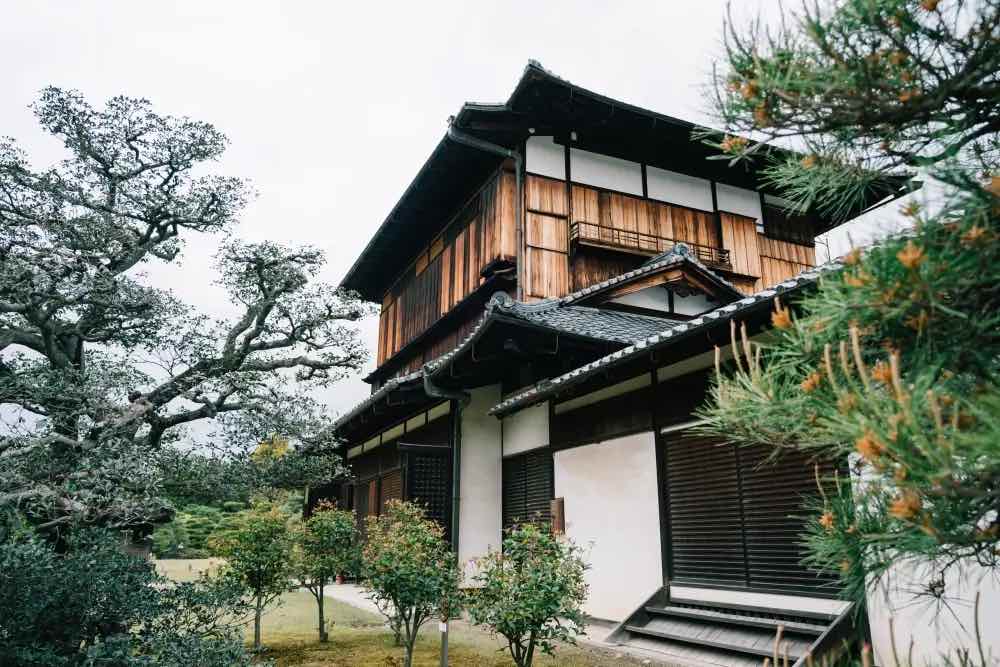
1. What exactly is an akiya?
In Japanese, 空き家 (akiya) simply means “empty house”. In practice, when people talk about akiya, they mainly mean:
Detached houses, often old, located in small towns, villages or outlying areas, that nobody lives in any more. Some are still habitable, others are badly run-down or even dangerous.
Most of the time, these houses are:
- part of an inheritance (the parents or grandparents used to live there);
- abandoned because the family moved to the city and wants neither to go back, nor to pay for works, nor to deal with the demolition process;
- sometimes associated with an unappealing image (very old house, far from stations, depopulating region…)
Some akiya are magnificent traditional kominka with timber frames and tatami mats, others are small houses from the 1960s–80s, and others still are little more than ruins. The term “akiya” says nothing about the intrinsic quality: each case has to be assessed individually.
2. Why are there so many akiya in Japan?
2.1. Ageing and demographic decline
The first factor is demographic. Japan is ageing and its population is shrinking. Many villages and small towns are losing their inhabitants, while young people concentrate in Tokyo, Osaka, Nagoya or Fukuoka. The result: millions of houses are emptying, with no obvious buyer.
2.2. Migration to the big cities
Job, study and service opportunities are found in the big cities. Many people leave the family home in the provinces, move into a flat in the city and never come back to live in the original house. When the parents pass away, the village house becomes a burden for the heirs, especially if the land has little value.
2.3. A preference for new builds
Culturally, the Japanese market favours new housing. After 20–30 years, a house is often considered “worn out” and its value rests almost entirely on the land. Older buildings are therefore not much sought after, unless they have architectural character or an exceptional location.
2.4. Tax rules that discourage demolition
Another important factor is tax: in Japan, bare land (land without a building) is generally taxed more heavily than land with a building on it. The result: it is more advantageous, tax-wise, to leave an old house standing than to knock it down, even if it is unusable. The combination of this tax regime with inheritance and demographics creates a huge stock of akiya.
2.5. Cost and complexity of renovation
Finally, a large number of akiya are in poor condition. According to a recent survey, more than 70% of akiya show signs of deterioration or damage (leaks, termites, weakened structure, etc.). The necessary works can quickly exceed the asking price of the house. This is one of the reasons why many owners dare neither to renovate, sell nor demolish – they simply let the house fall into disrepair.
3. Why are some akiya so cheap?
You sometimes see listings for houses at €50,000, €10,000 or even a symbolic €1. In some cases, municipalities practically offer to “give away” the house if the buyer commits to renovating it or settling locally.
The low prices are explained by a combination of reasons:
- Unattractive location: declining region, few jobs, limited transport, far from the big cities.
- High renovation costs: frame, roof, insulation, plumbing, electrics, earthquake standards… The bill can be very high, especially for a traditional kominka.
- Natural disaster risk: flood zone, risk of landslides or major earthquakes.
- Limited resale market: hard to resell, weak local demand, few potential tenants.
Many experts stress one point: just because an akiya is “cheap” doesn’t mean it is a good deal. In many cases, renovation and bringing the house up to standard cost far more than the purchase price.
4. How to buy an akiya as a foreigner
The good news is that in Japan, foreigners can buy property freely (subject to the usual rules, but with no ownership restrictions based on nationality). However, buying an akiya does not give you any particular right to a visa or residence: you always need a valid residence status (work, spouse, long stay, etc.).
4.1. Clarify your project
Before you even start looking for a house, you need to pin down your goal:
- main residence in the medium/long term;
- holiday home / second home;
- a holiday rental project (minpaku, Airbnb-style) – which requires serious legal analysis;
- a business project (café, workshop, coworking space, creative retreat…).
The location, budget, type of house and acceptable level of renovation will be completely different depending on whether you want to live there all year round, spend two weeks a year there or turn it into a small business.
4.2. Choose a region
Akiya can be found almost everywhere, but some prefectures have more of them: Niigata, Wakayama, Hiroshima, certain areas of Kyūshū, Tōhoku, etc. For a life project, you need to look at:
- the distance to the nearest big city;
- access to healthcare, schools and shops;
- the climate (snow, heat, humidity);
- natural hazards (flooding, landslides, earthquakes).
4.3. Where to find akiya? Akiya Banks and platforms
There are three main types of channels for finding akiya:
a) Municipal “Akiya Banks”
Akiya banks (空き家バンク) are databases run by municipalities: they list vacant houses offered by private owners or by the town, often at very low prices to attract new residents.
Typical problems:
- websites mostly in Japanese;
- sometimes limited photos;
- address hidden until you register or make first contact;
- local administrative procedures that can be cumbersome.
b) Websites and agents specialising in foreign buyers
In recent years, a number of players have specialised in akiya for an international audience. Among them:
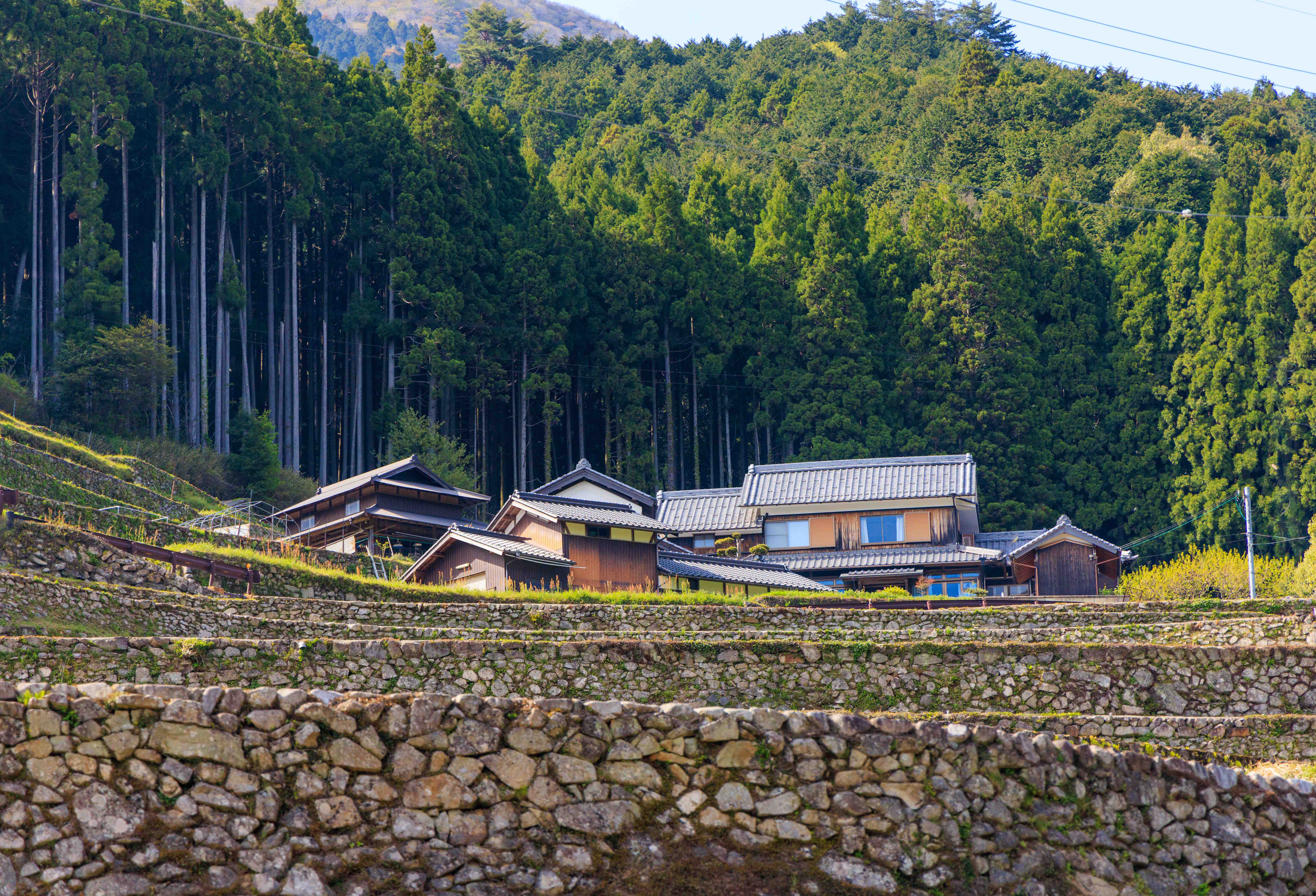
- Akiya & Inaka – Advice, support, a selection of rural properties, help with renovation: https://www.akiyainaka.com/
- Akiya Japan – Search platform in English, with many akiya listings: https://www.akiyajapan.com/
- AkiyaMart – Service with a Japanese agent and remote support for buying from abroad: https://www.akiya-mart.com/
- AllAkiyas – Catalogue of cheap houses and akiya, aggregated from municipal banks and agencies: https://www.allakiyas.com/
- Akiya2.0 – Full services for foreign buyers: purchase, renovation, management: https://www.akiya2.com/
- AKIYA × MUSUBI – Akiya revitalisation service, including renovation, management and sometimes use as a minpaku: https://akiya-musubi.jp/
These platforms generally offer:
- an interface in English;
- a selection of pre-filtered properties;
- support in navigating akiya banks, negotiating and handling the formalities with a Japanese agent.
Be careful: some of these players are consultants rather than licensed estate agents, which means their fees are unregulated (not capped by law like those of a takken agent).
c) Traditional Japanese agencies
Finally, you can go through traditional Japanese estate agencies, particularly in medium-sized towns or in the prefectures you are targeting. Some have experience with akiya and can offer properties that are not listed on the international platforms. On the other hand, you will often have to deal with them in Japanese, or use an interpreter.
4.4. The main steps in buying an akiya
In broad terms, for a foreigner, the process looks like this:
- Define your project and your overall budget (purchase + works + fees + taxes).
- Choose a region and start targeting a few municipalities.
- Search for properties via akiya banks, specialist platforms or local agencies.
- Visit (in person or by video) and draw up a shortlist.
- Have surveys carried out (structure, termites, roof, etc.).
- Work out a realistic renovation budget with a local architect or builder.
- Make an offer, then sign a contract with a judicial scrivener (司法書士) for the registration.
- Pay, register the property, then start the works.
- Please note: if you use a foreign bank account (for example a French one), allow for longer delays. We recommend using a Revolut account, for example. This will make bank transfers easier. Indeed, some agencies require payment within 72 hours, or sometimes 48 hours.
More and more players offer “turnkey” support, from the search right through to renovation. It is convenient, but you need to stay clear-headed about the costs and read the contracts carefully.
5. Points to watch before buying an akiya
5.1. Structural condition and renovation costs
This is THE number one issue. Many akiya need:
- roof repairs or replacement;
- termite treatment and reinforcement of the frame;
- upgraded plumbing and electrics;
- thermal insulation, which is almost non-existent in older houses;
- earthquake-proofing works (stricter standards since 1981).
Many first-hand accounts show that renovation can easily cost several times the price of the house itself. Failing to budget for these costs is a sure path to disappointment.
5.2. Land, zoning and natural hazards
Before buying, you need to check:
- the zoning (residential, agricultural, mixed);
- the risk of landslides or flooding (official risk maps, hazard maps);
- the stability of the ground (especially if the house is on a slope);
- easements and access roads (some akiya are on extremely narrow roads).
5.3. A clear legal situation
Some akiya come with complex situations: several heirs, joint family ownership, untraceable owners or outdated registration. You absolutely must go through a professional (licensed agent + 司法書士) to check:
- that the seller is legally entitled to sell;
- that there are no debts, mortgages or other unexpected charges;
- that the property boundaries are clear.
5.4. Property ≠ visa
Buying an akiya does not automatically give you residence status. If you don’t already have a Japanese visa (work, Japanese spouse, investor, long stay, etc.), simply being a property owner is not enough to live in Japan full time. This is a crucial point to factor into your overall thinking.
5.5. Tax and recurring costs
Even if the house is bought “for next to nothing”, you need to budget for:
- the annual property tax;
- insurance (fire, and possibly earthquake);
- maintenance costs (garden, roof, shared-ownership charges if applicable);
- any costs related to holiday rentals (minpaku registration, local licences…)
In the long run, it is these recurring costs that determine whether the project remains a pleasure or turns into a burden.
6. Possible strategies with an akiya
6.1. Second home / holiday home
For many foreigners, the most realistic option is to turn an akiya into a holiday home: a place to come to for a few weeks a year, without aiming for maximum profitability. In this case, it is often wiser to allow a slightly larger renovation budget so you end up with a comfortable, well-insulated place that is pleasant in both winter and summer.
6.2. Main home (with caution)
Living in an akiya all year round can be a wonderful adventure, but it requires:
- a genuine plan for life in the countryside;
- a suitable income (remote work, local activity…);
- a good command of the language or a solid local network.
It is as much a life change as a property project.
6.3. Holiday rental or hybrid project
Some people turn akiya into tourist accommodation (guesthouses, minpaku). With the rise in tourism and the search for authentic experiences, there is real potential, especially in attractive areas. But you need to find out about:
- the municipality’s minpaku regulations;
- how the neighbours might react;
- day-to-day operations (cleaning, check-in, marketing, etc.).
Another option is mixed use: a personal home for part of the year and short-term rentals the rest of the time.
7. A few useful agencies and resources on akiya
Here is a summary of useful platforms and players if you want to dig deeper into the subject. These are not official recommendations, but a starting point for your research:
- Akiya & Inaka (advice, viewings, full support) – https://www.akiyainaka.com/
- Akiya Japan (search platform in English) – https://www.akiyajapan.com/
- AkiyaMart (remote purchase, licensed agent) – https://www.akiya-mart.com/
- AllAkiyas (Japan-wide catalogue of akiya and cheap houses) – https://www.allakiyas.com/
- Akiya Banks (directory of all the municipal akiya banks) – https://www.akiyabanks.com/
- AkiyaHub (community + information on listings in English) – https://akiyahub.com/
- Akiya2.0 (full services for foreign buyers) – https://www.akiya2.com/
- AKIYA × MUSUBI (revitalisation, local use, sometimes minpaku) – https://akiya-musubi.jp/
In any case, be sure to distinguish between:
- consultants (who support you, but are not always licensed agents);
- Japanese takken estate agencies, whose commissions are regulated by law.
And always bear in mind that buying an akiya is at once a property, financial and lifestyle project. It is better to move slowly, visit several options, talk to local residents and have the works costed very carefully before signing anything.
8. Akiya: opportunity or trap?
Akiya in Japan are fascinating because they bring together several trends: population decline, the transformation of the countryside, new forms of tourism, remote working and the quest for a simpler way of life. For a foreigner who is passionate about Japan, the idea of doing up an old wooden house next to the rice fields is extremely appealing.
But behind the rock-bottom listings lie very concrete realities: heavy renovation, recurring costs, local regulations, no automatic visa, difficult resale, possible isolation… Akiya are not a magic formula for “becoming a homeowner in Japan for €10,000”, but rather fully fledged life projects that require preparation, patience and a healthy budget safety margin.
Approaching an akiya as a passion project, fully embraced and properly costed, is probably the best approach. If the aim is simply to “make a quick profit” or to invest without getting involved, other property options in Japan (or elsewhere) will often make more sense.